SonusZen looks like yet another “miracle cure” for tinnitus being pushed hard across social media and throwaway websites. It promises to silence the ringing in your ears with a simple “cupboard ingredient” discovered by fighter pilots and “elite scientists” – but every step of the campaign is built to sell bottles first and answer questions never.
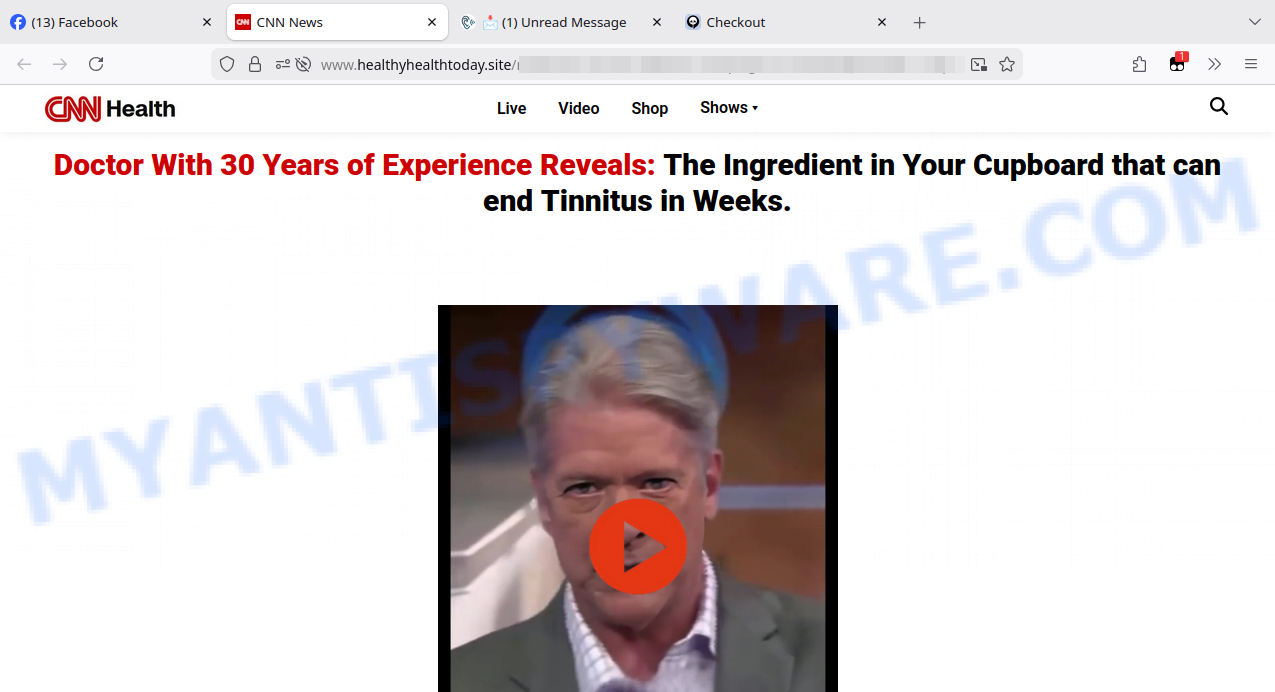
The pages are dressed up to look like real health news and expert advice: a fake “CNN Health” header, borrowed scientific logos, and name-dropping of doctors, universities, and TV personalities. A video frame teases “breaking” discoveries about the brain, memory loss, and hidden industry conspiracies, while badges like “FDA Approved,” “GMP,” and “100% Natural” try to make the offer look legitimate. Yet in the fine print, the site quietly admits it isn’t endorsed by any of the institutions it flaunts, and the supposedly life‑changing household remedy is never actually revealed before you’re pushed toward the checkout.
This is the core of what our research examines: online fact‑checking of health claims means tracing how bold promises, fake authority, and emotional hooks are stitched together to get you from a shocking ad to a credit‑card form. In the SonusZen case, every piece of “proof” falls apart once you look closer – no independent reviews on the sales domain, no verifiable endorsements, and no solid evidence that the product does anything close to what it claims. The gap between the story and the facts isn’t a mistake; it’s the whole business model.
💡 Heads-up: Similar Scams Are Everywhere. SonusZen is not unique. It is one of many fake supplements, gadgets, and other schemes we expose in our Fact Checks section. All of them aim to grab your personal data or money. The people behind these scams run slick websites, spread bogus promo codes, and even pose as trusted brands or experts. Below are a few recent scams that follow the same playbook as SonusZen: SuperBrain formula, GlucoTrust, CoreCare Posture Corrector, GLORENDA Berberine Metabolic Patch, NoBlu Vision Glasses.
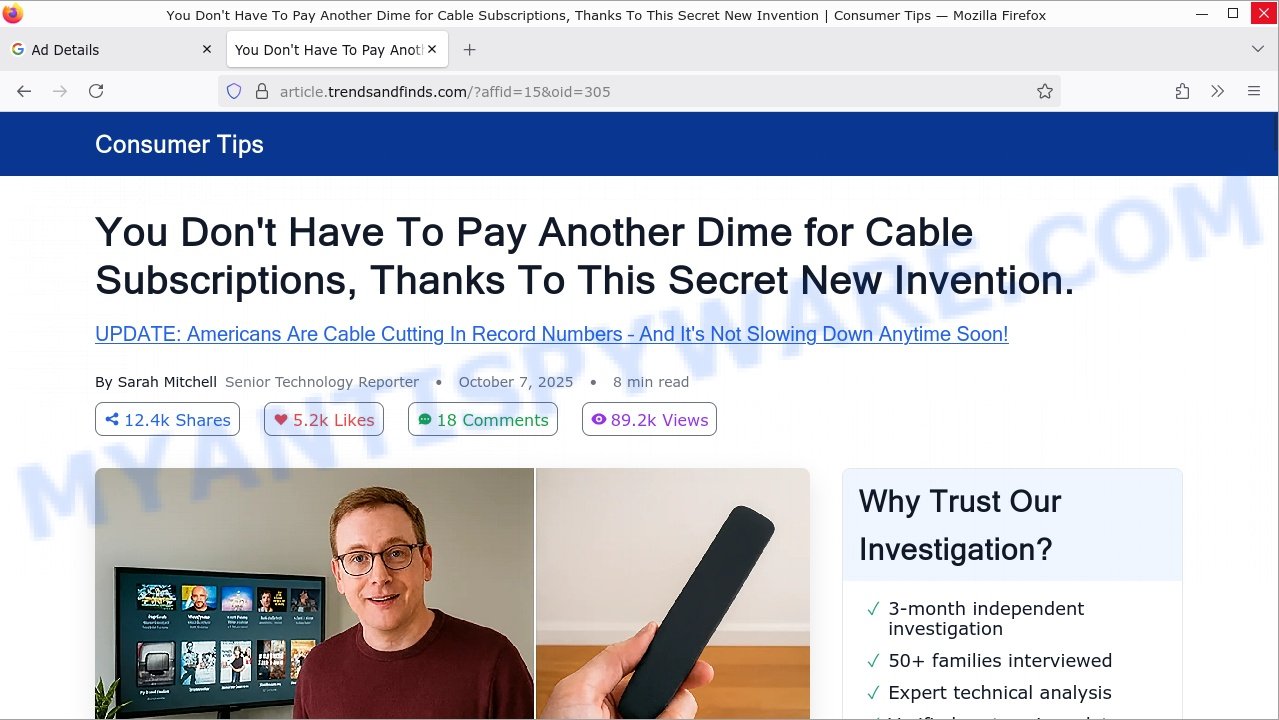
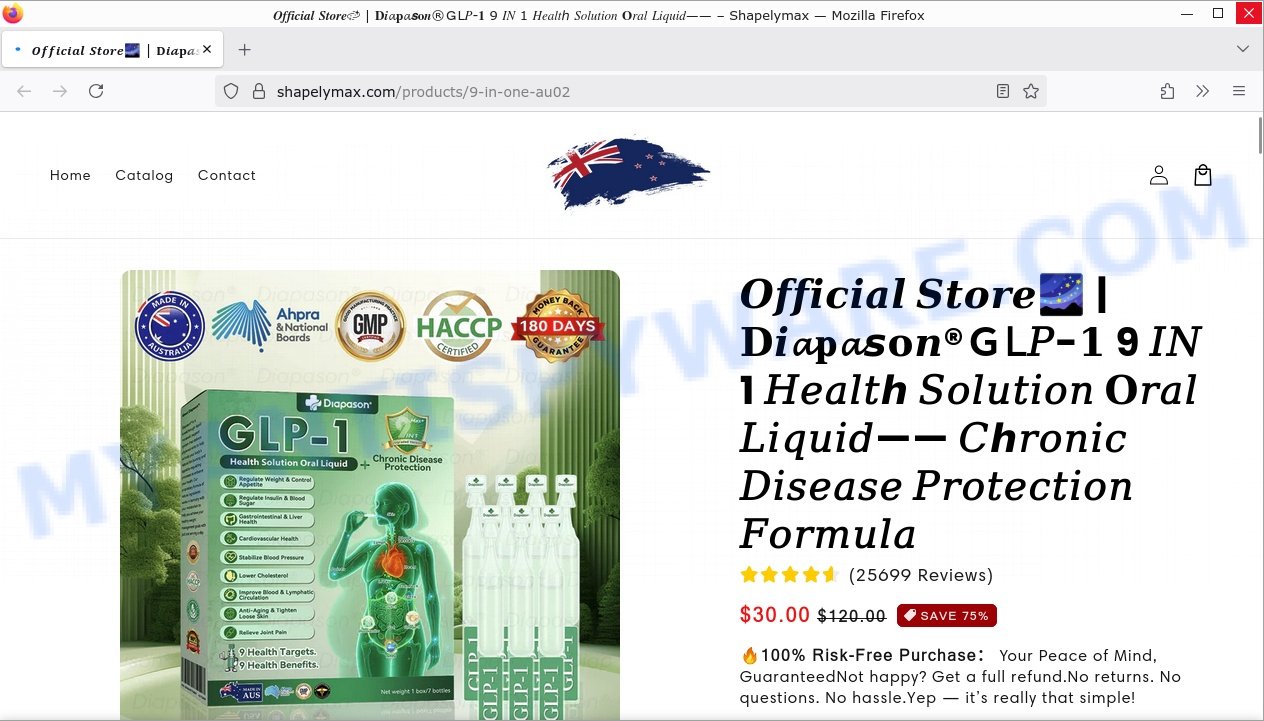
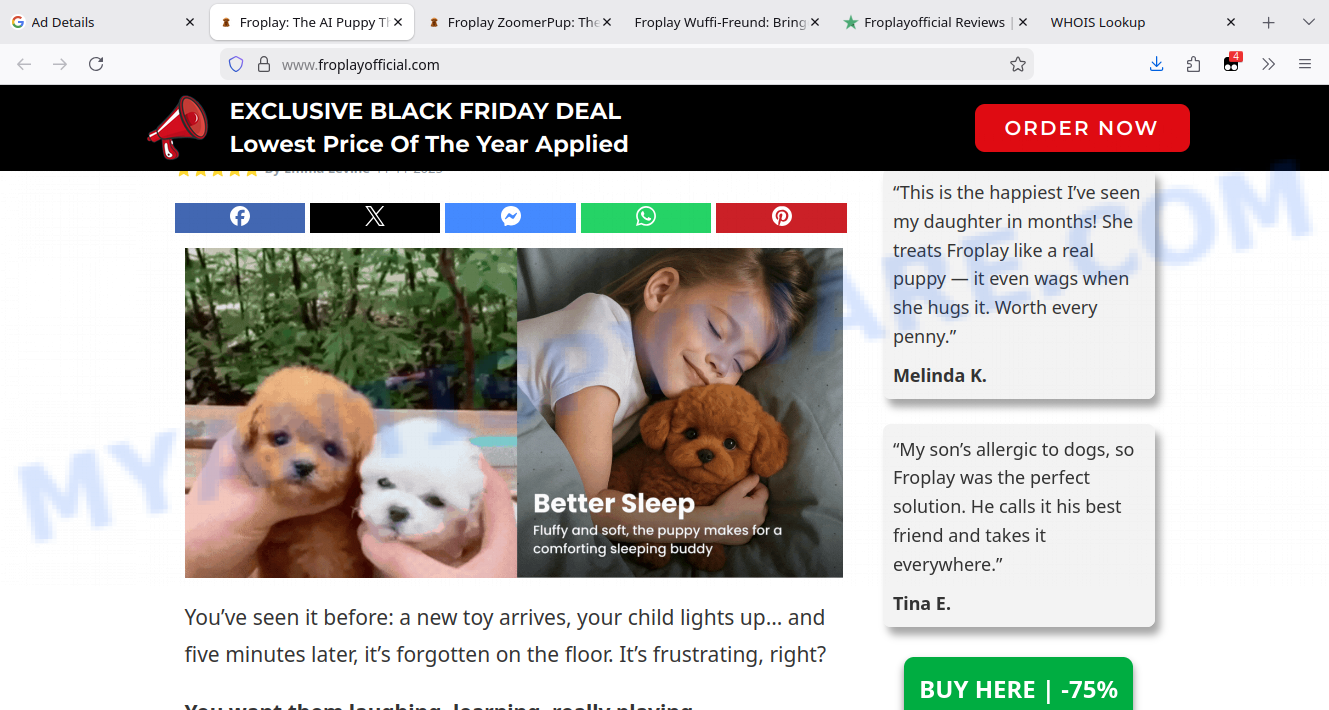
Table of Contents
🚨 Is SonusZen a Scam?
SonusZen is marketed as a dietary supplement that claims to eliminate tinnitus and restore hearing using a so-called “cupboard ingredient.” However, this product is part of a deceptive online sales scam that starts with flashy social media ads and funnels users to suspicious websites like healthyhealthtoday.site and thesonuszen.online. The marketing heavily relies on false promises of a quick and effortless cure for tinnitus with dubious medical backing.
Key Red Flags:
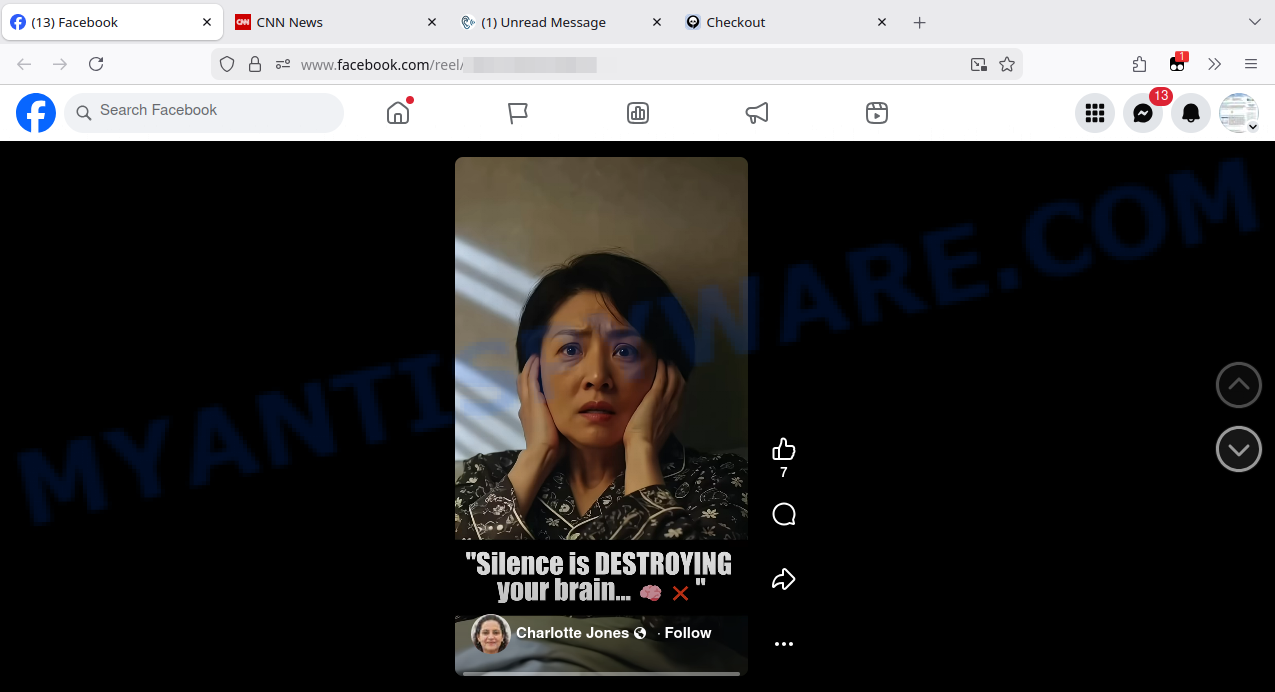
- 🌐 Misleading Social Media Ads: SonusZen is promoted via videos on Facebook Reels that use fear tactics (“Silence is DESTROYING your brain”), pseudo-scientific jargon, and blame hearing aid companies to create a false narrative of a breakthrough cure allegedly discovered by military personnel.
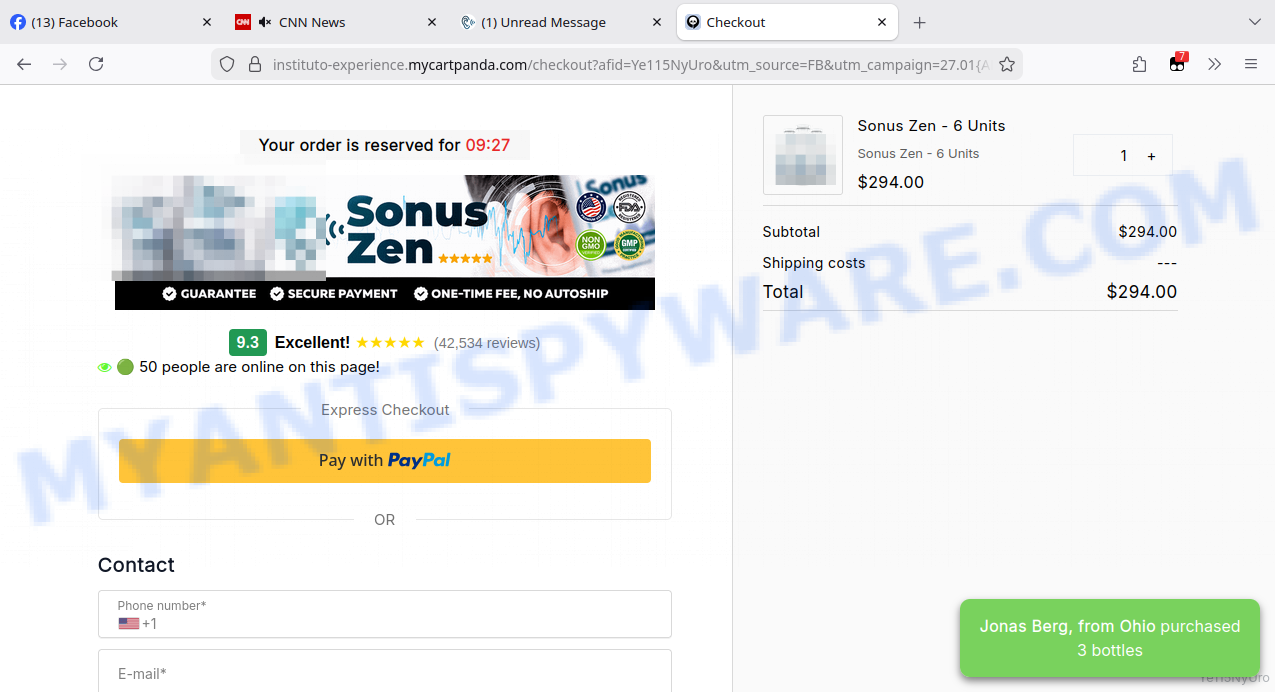
- ⭐ Fabricated Testimonials and Reviews: The product pages show a large volume of glowing user reviews and ratings (“9.3 Excellent! (42,534 reviews)”) along with supposed live purchase activity and verified buyer comments, all of which cannot be independently verified and are likely fabricated to lure buyers.
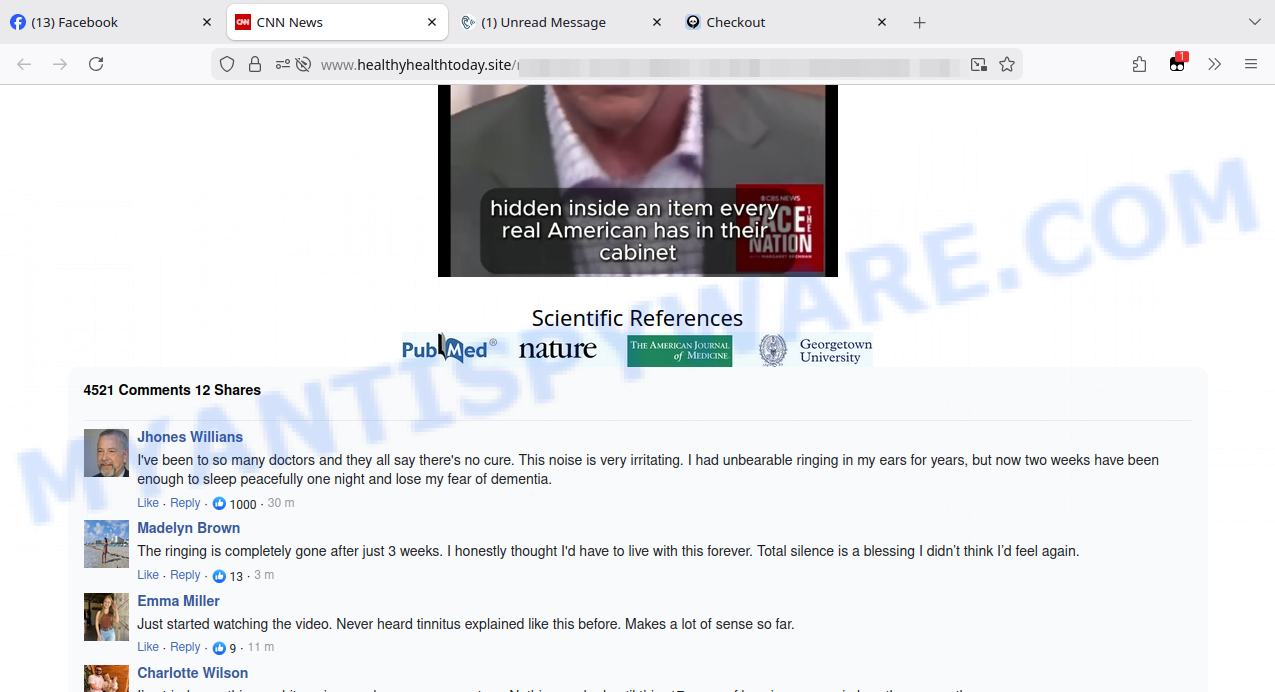
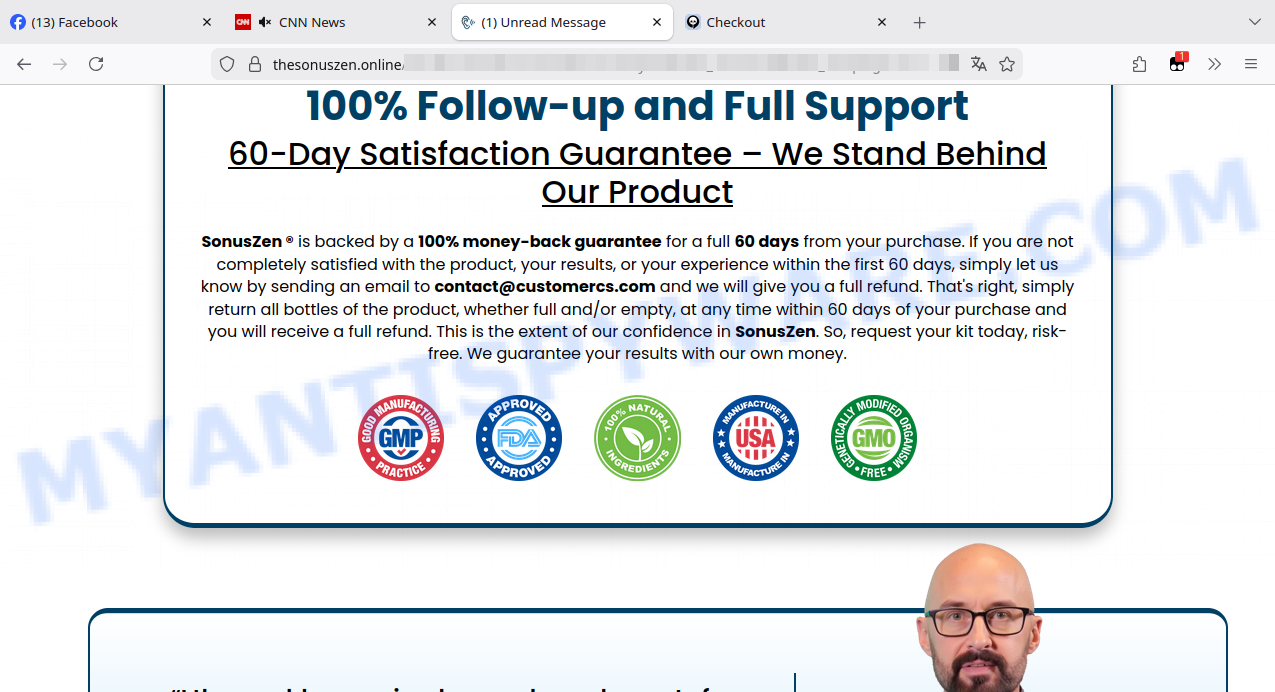
- 🔒 Fake Credibility & Endorsements: SonusZen’s landing pages use mainstream media logos (e.g., CNN Health), scientific references, and badges claiming FDA approval, GMP compliance, and natural ingredients to feign legitimacy. Yet, a disclaimer admits no real affiliation exists, and there is no evidence of official endorsements from Dr. Oz, Stanford neuroscientists, or any reputable institutions.
- ⚠️ Hidden “Cupboard Ingredient” Trick: Despite the promise of revealing a simple household cure for tinnitus within the videos and articles, the content never actually discloses this “hack” and instead pushes visitors directly toward purchasing the supplement.
- 📉 Suspicious Website and Checkout Details: The domains are newly registered and privacy-protected, with the checkout hosted on third-party platforms (MyCartPanda) unrelated to known trustworthy retailers. The website’s stylized news format is designed to appear credible but is merely a façade.
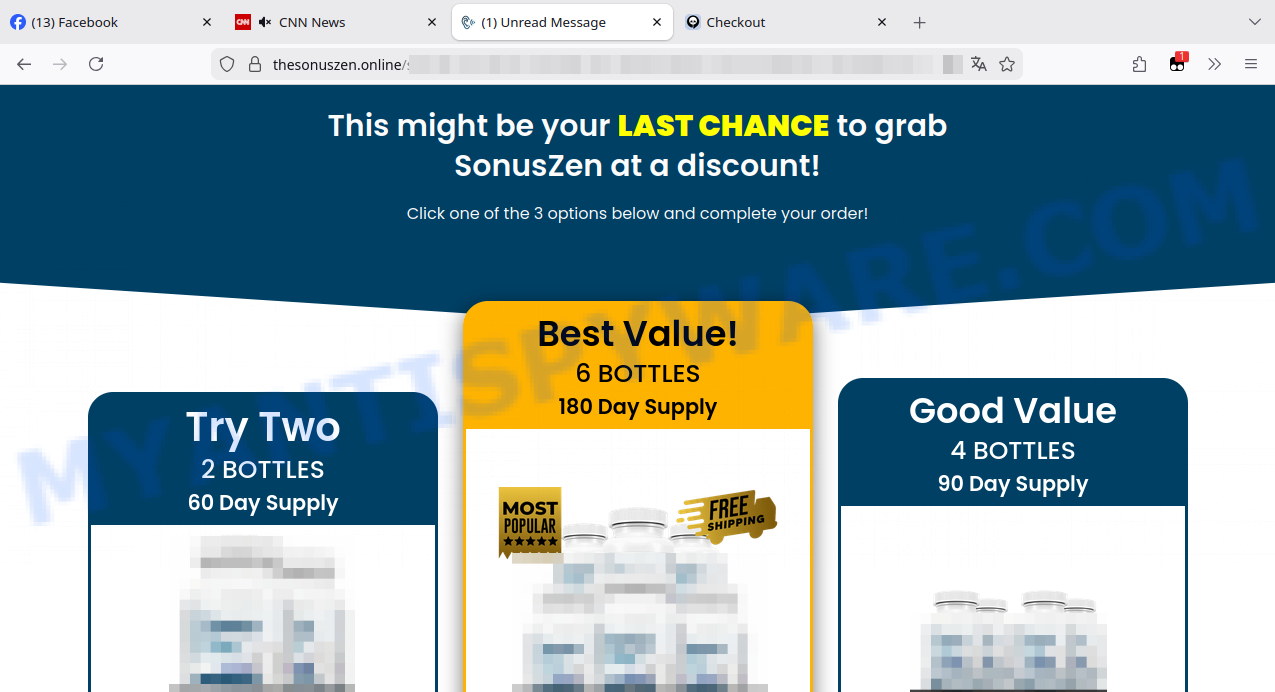
- 👤 Aggressive Scarcity and Sales Pressure: The sales pages employ countdown timers, limited-stock warnings, and heavy discount offers to rush buyers into purchasing, exploiting urgency rather than informed decision-making.
- 🔗 Risky Purchase Process: Personal and payment information is collected through a third-party checkout with no verified company history. Refund claims hinge on contacting an unverified email address, raising concerns about after-sale support and money-back guarantees.
In summary, SonusZen exhibits multiple hallmarks of a scam: fake endorsements, misleading health claims, fabricated testimonials, and aggressive sales tactics. There is no credible scientific proof that SonusZen can cure tinnitus or restore hearing. Consumers are strongly advised to avoid purchasing SonusZen based on the presented ads and websites. Instead, consult licensed healthcare professionals for legitimate diagnosis and treatment options for tinnitus and hearing issues.
🕵️♂️ How the Scam Operates
🚨 It fools consumers by promoting a fake “cupboard ingredient” miracle cure to eliminate tinnitus, using fabricated medical claims and fake endorsements. 🔗 Step-by-Step Breakdown of the Scam:
🎯 Targeting Vulnerable Users
The scam begins on social media platforms like Facebook with viral reels showing fearful individuals and alarming text such as “Silence is DESTROYING your brain…”. These ads falsely claim that tinnitus signals neurons dying and link the problem to “elite science” uncovered by Air Force pilots, suggesting a major medical breakthrough.
🕸️ Creating Fake News-Style Landing Pages
Users are funneled to long-form sales pages hosted on suspicious domains like healthyhealthtoday.site. These pages mimic credible news outlets with “CNN Health” headers and scientific-sounding language. They feature fake “scientific references” logos (PubMed, Nature, etc.) and fabricated comments to give an illusion of legitimacy.
📢 Promoting the “Cupboard Ingredient” Trick Without Revealing It
Despite the heavy advertising, the supposed “cupboard ingredient” cure is never actually disclosed in the videos or text. Instead, visitors are pushed immediately toward purchasing the SonusZen supplement to supposedly eliminate tinnitus.
🔬 Falsifying Scientific and Medical Claims
The scam references well-known medical figures like Dr. Oz and institutions such as Stanford University without permission, falsely implying endorsements. It also makes unsupported claims about stopping neuroinflammation, trigeminal nerve repair, and reversing hearing loss.
💼 Using Fake Credibility Badges and Reviews
The websites tout badges such as “FDA Approved,” “GMP Certified,” “100% Natural,” and “Made in the USA.” They showcase thousands of glowing “customer reviews” and “scientific references” that cannot be independently verified.
💸 Employing Scarcity Tactics and Upselling
The product pages use countdown timers, warnings like “LAST CHANCE,” and fake purchase popups to pressure buyers. Pricing is tiered to encourage bulk purchases, often showing supposed discounts to increase urgency.
🔁 Difficult Refund Process and Unreliable Customer Support
Although the site promotes a “60-Day Satisfaction Guarantee,” refund requests are rarely honored. Customer support emails (e.g., [email protected]) frequently go unanswered or provide no real help.
🚫 Lack of Transparency and No Real Endorsements
The fine print admits the company is not affiliated with any claimed organizations. Trustpilot and other independent review sites show no authentic user feedback or verification for SonusZen.
In summary, the “Cupboard Ingredient” scam exploits individuals suffering from tinnitus by using misleading social media ads, fake news-style websites, false scientific claims, and counterfeit endorsements. Buyers end up paying for an unproven product with little chance of recovery or support. Stay cautious and always verify supplements with credible health sources before purchasing.
😱 What to Do If Scammed
If you find yourself ensnared by the SonusZen Scam, immediate action is crucial. Here’s what you should consider doing:
🛑 Stop Further Transactions
The first step is to halt any additional transactions that might be in process. Contact your bank or credit card provider and inform them that you’ve fallen victim to a scam. They can help by blocking the card or reversing any unauthorized transactions.
📞 Report the Fraud
File a report with your local police and provide all the available evidence, such as screenshots, emails, and website URLs. Additionally, report the scam to online portals like the Better Business Bureau (BBB) at www.bbb.org or the Federal Trade Commission (FTC) at reportfraud.ftc.gov. If you’re in another country, reach out to your national consumer protection agency.
💻 Take Screenshots
Before the scam website gets taken down or changes, make sure to capture screenshots of your transactions and communications. These can serve as evidence if you decide to pursue legal action.
⚖️ Consult Legal Advice
Speak to a legal advisor about your situation. While pursuing legal action may be time-consuming and costly, it could be a possible avenue for recovering your lost money.
📢 Share Your Experience
Use social media platforms to share your experience and warn others about the scam. Your story could prevent someone else from falling victim to the same or similar scams.
Summary Table
| Factor | Observations | Impact on Legitimacy |
|---|---|---|
| Product Description | SonusZen is promoted as a dietary supplement that can stop tinnitus and restore hearing using a simple “cupboard ingredient.” The product claims are supported by fake medical explanations and supposed endorsements by well-known doctors and institutions, but these claims lack real proof and are misleading. | Negative (Unproven health claims and misleading medical statements) |
| Marketing Channels | The campaign starts with a Facebook Reel showing alarming messages about brain damage from silence and blaming hearing aid companies. It directs users to fake news-style sites that look professional but are made to push the SonusZen product. Ads use high-pressure sales tactics and create false urgency with timers and limited stock warnings. | Negative (Deceptive advertising with false urgency) |
| Website and Landing Pages | Websites use fake logos, media headers like “CNN Health,” and scientific-sounding names to appear credible. They show fake reviews, high scores, purchase popups, and testimonials that seem real but are likely made up. The pages include disclaimers denying any real connection to the named organizations, which shows the site tries to trick visitors. | Negative (False credibility and fake social proof) |
| Product Pricing and Sales | The product is sold in multi-bottle packages at prices around $49 to $79 per bottle, with claims of big savings. The sales pages use countdown timers and pressure buyers to act fast. There is a “60-Day Satisfaction Guarantee” offered, but no proof it is easy to get a refund. | Negative (Pressure selling and questionable refund policy) |
| Payment and Company Information | Payment is handled via a third-party checkout site that requires personal details. The main sales domains are new and use privacy protection for registration, making it hard to trace the company behind SonusZen. No reliable customer support or company transparency is visible. | Negative (Lack of transparency and possible risk for buyers) |
| Endorsements and Associations | The product uses names like Dr. Oz, Stanford neuroscientists, and media brands like CNN to appear trustworthy. However, the sites clearly state they are not affiliated with these figures or companies. There is no evidence that these endorsements are real. | Negative (False or misleading endorsements) |
| Safety and Effectiveness | There is no scientific or medical proof that SonusZen or the “cupboard ingredient” actually helps with tinnitus or hearing. The videos and articles do not show any real remedies and focus on pushing the product instead. | Negative (Unproven medical claims and no evidence of safety or benefit) |
| Refund and Customer Support | While a 60-day refund promise is mentioned, no real evidence shows that refunds are granted easily. Contact is only through an email, and buyer protection may be limited due to the unclear company behind the product. | Negative (Unclear and possibly misleading refund policy) |
Conclusion
The SonusZen “Cupboard Ingredient” is a deceptive scam designed to exploit individuals struggling with hearing issues by promoting a fake “cupboard ingredient” trick that allegedly cures tinnitus in weeks. The marketing campaign relies heavily on fabricated testimonials, misleading endorsements, and pseudo-scientific jargon to create a false impression of credibility.
The social media ads and landing pages use fear-mongering messages about brain damage due to silence and falsely claim support from “elite science,” military professionals, and well-known figures like Dr. Oz. However, these endorsements are entirely fabricated—there is no legitimate medical backing or affiliation with major institutions such as Stanford University or CNN. The website displays misleading badges like “FDA Approved,” “GMP Certified,” and “100% Natural” with no factual basis, all aimed at convincing consumers that SonusZen is a trustworthy and effective remedy.
Bottom Line: Avoid purchasing SonusZen. The product’s claims of quick tinnitus relief through a simple household ingredient are unsubstantiated and serve only to funnel users toward a costly supplement with no proven benefits. Exercise caution and research thoroughly before considering such offers, especially when the sales tactics involve fake endorsements, urgent calls to action, and unverifiable “scientific” claims. If something sounds too good to be true, it usually is.