NeuroDyne is the latest “miracle” brain supplement making the rounds on Facebook and shady health sites, pushed with dramatic claims about reversing Alzheimer’s using a mysterious “Blue Fruit.” On the surface it looks legitimate: news-style pages, a supposed insider from the supplement industry, and a product wrapped in badges like “GMP,” “Non-GMO,” and “Made in USA.” But once you look closer, the whole setup follows a very familiar pattern used in online health scams.
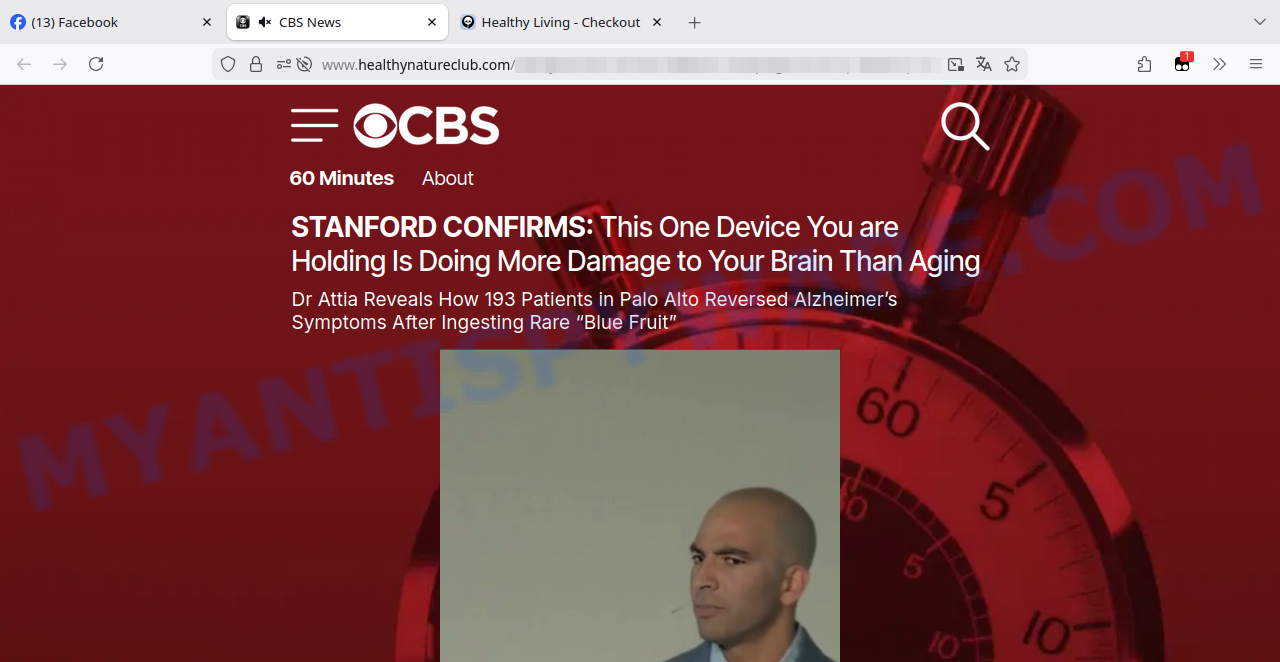
The pitch always starts the same way: a long emotional video ad on social media, a promise that “doctors and Big Pharma don’t want you to know this,” and a click-through to a fake news article dressed up to look like CBS or 60 Minutes. Instead of real reporting or scientific proof, viewers are slowly walked toward one outcome: entering their card details on a third‑party checkout page. The “rare Blue Fruit,” the “Stanford confirmation,” and the name‑dropping of a well-known doctor are never backed up with verifiable evidence — they’re bait to get you to the order form.
At its core, this kind of campaign is not about health, it’s about harvesting payments through a chain of misleading promises. Fake authority (news logos, doctor names), emotional storytelling (family dementia stories), urgency tricks (“Your order is reserved for”), and inflated discounts (“You save $300”) are stacked together to pressure you into buying before you can think. Complaints and low ratings on external review sites then reveal what the glossy page never mentions: unexpected charges, unreachable “support,” and money‑back guarantees that vanish the moment you try to use them.
💡 Heads-up: Similar Scams Are Everywhere. NeuroDyne Drops is not unique. It is one of many fake supplements, gadgets, and other schemes we expose in our Fact Checks section. All of them aim to grab your personal data or money. The people behind these scams run slick websites, spread bogus promo codes, and even pose as trusted brands or experts. Below are a few recent scams that follow the same playbook as NeuroDyne Drops: AlphaCur Nerve Health Support, Sugar Clean Drops, Mobile AI Monopoly, MounjaBoost, Vittaburn Drops.

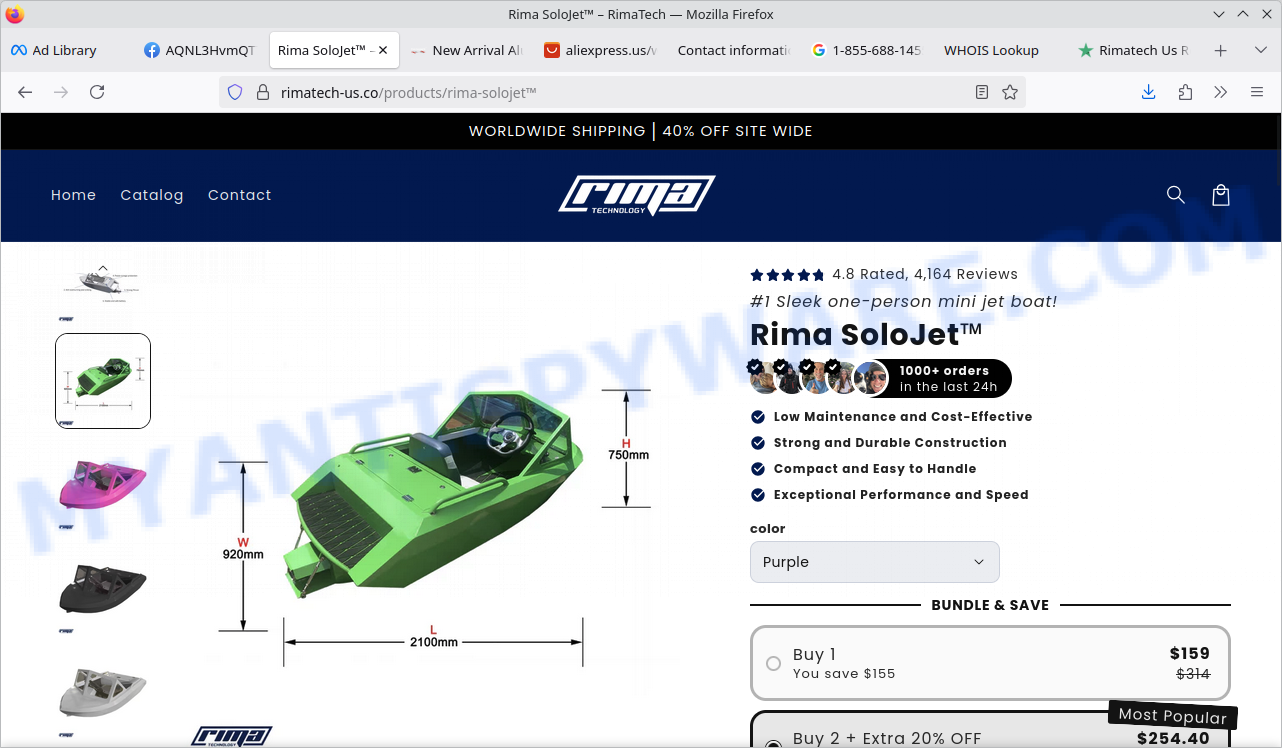
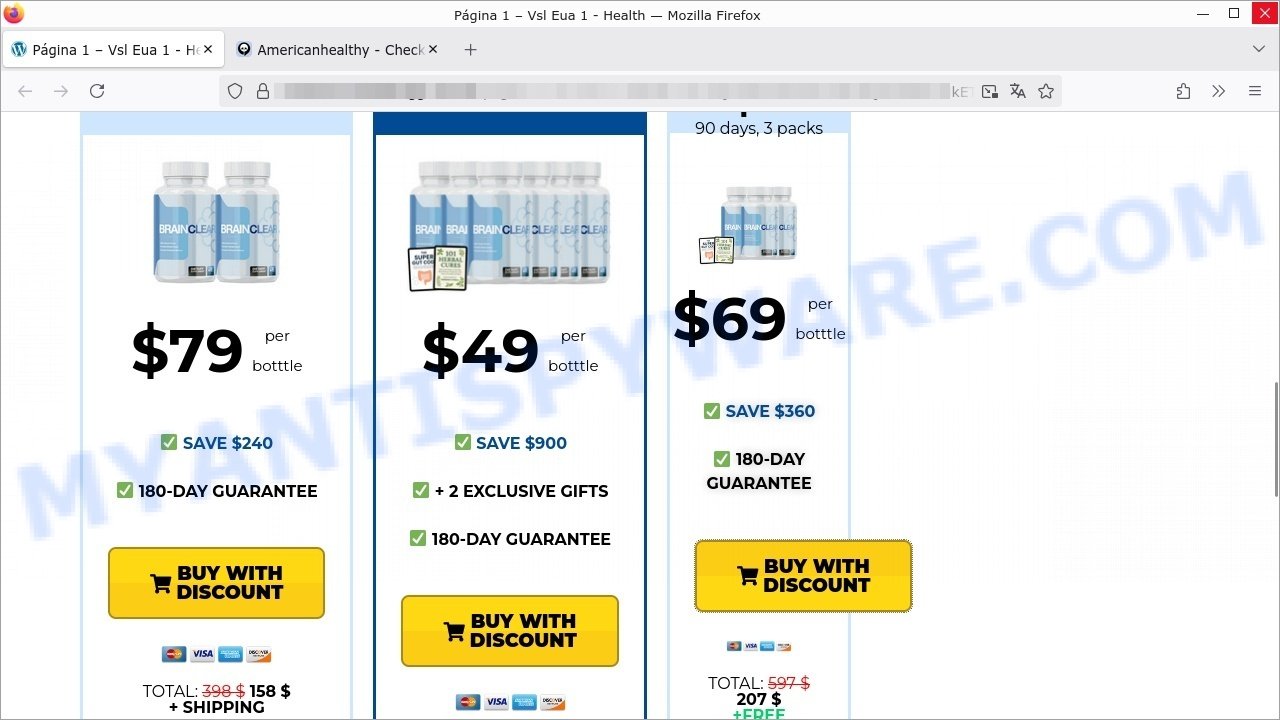
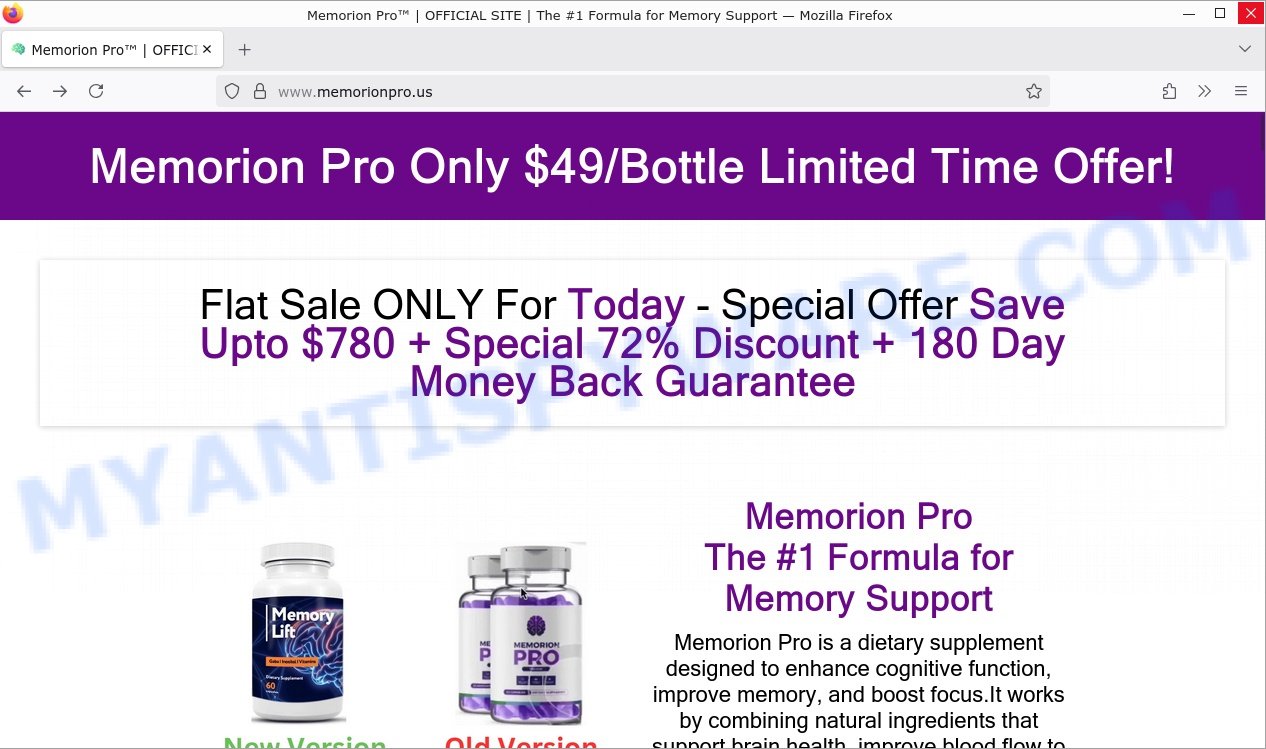
Table of Contents
🚨 Is NeuroDyne a Scam? Exposing the Fake “Blue Fruit” Trick
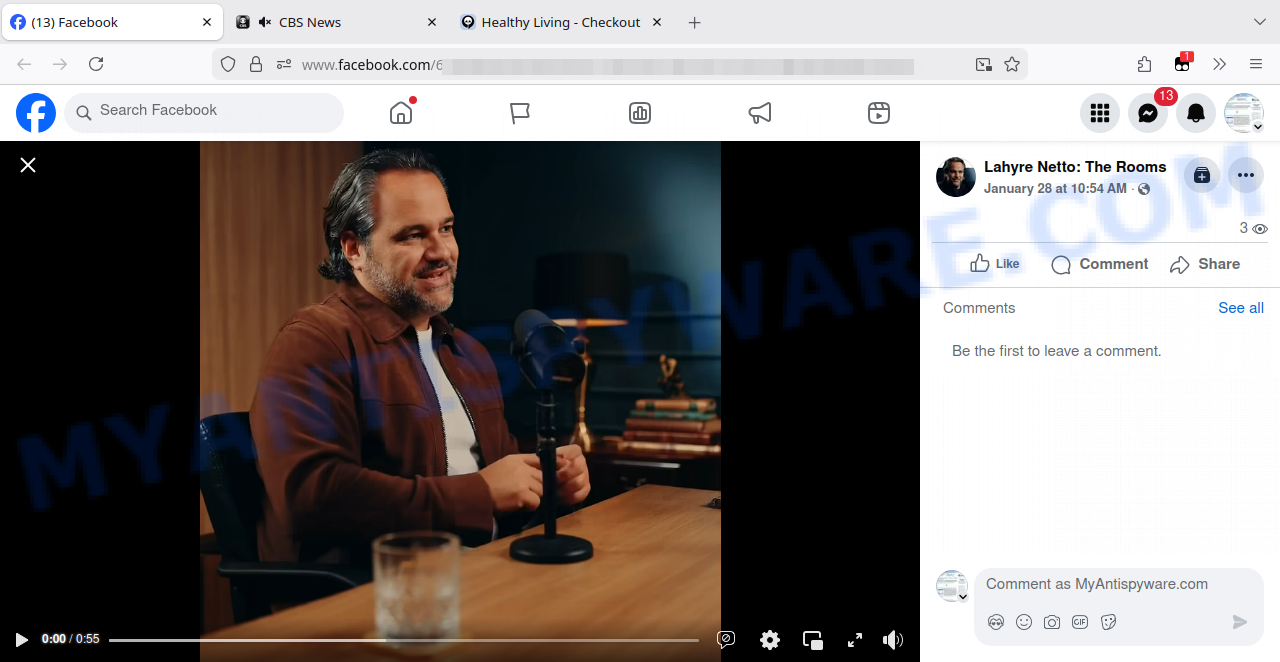
NeuroDyne is marketed as a memory and brain-health supplement sold in drop form, promoted through a slick long-form video ad. This campaign is an online scam that starts with a Facebook video and funnels users to a fake news-style landing page on healthynatureclub.com. The page falsely mimics CBS/60 Minutes branding and boasts a miraculous breakthrough involving a rare “Blue Fruit” that supposedly reverses Alzheimer’s symptoms. This fabricated discovery is used solely to push NeuroDyne product offers through a mycartpanda (CartPanda) checkout page.
Key Red Flags:
- 🌐 Misleading Social Media Ads: Advertisements use emotionally charged stories and false insider claims about the pharmaceutical industry to lure viewers into clicking through for a “simple trick” to fix memory loss.
- 📰 Fake News-Style Landing Page: The landing page on healthynatureclub.com pretends to be a legitimate CBS/60 Minutes report, using copied logos, styles, and fabricated quotes about “Dr Attia” and Alzheimer’s reversal that have no independent verification.
- 🎥 Deceptive Video Content: The embedded video repeats personal anecdotes and unproven claims but never actually shows or explains the alleged “Blue Fruit” discovery, quickly transitioning viewers to product purchase offers.
- ⚠️ Bogus Credibility Badges: Displays of “100% MONEY BACK GUARANTEE,” “GMP,” “Non-GMO,” “Made in USA,” and secure payment logos are all part of marketing graphics, not independently verified credentials or endorsements.
- 💸 Aggressive Sales Tactics: Multiple package offers with urgent countdown timers, steep discount claims, and “BUY NOW” buttons are designed to rush impulsive purchases without adequate consumer protections.
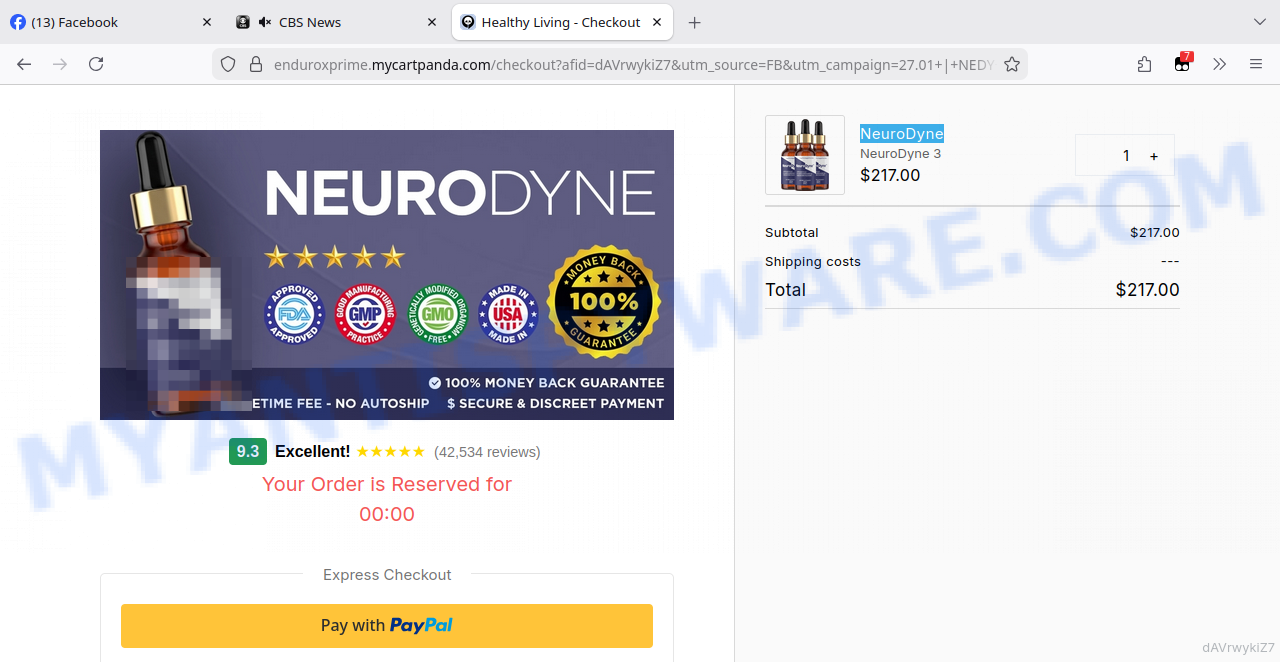
- 🔗 Suspicious Checkout Process: Payments are processed via an enduroxprime.mycartpanda.com page, which has received numerous negative reviews, including complaints about unauthorized charges, unopened packages, and lack of seller responsiveness.
- 👤 Customer Complaints and Poor Reviews: Trustpilot and other consumer feedback sites document frustrated buyers who report being overcharged, receiving no product benefits, and encountering impossible refund or return processes despite the “money-back” promises.
- ❌ False Associations: Neither CBS/60 Minutes, Dr. Attia, nor any reputable medical entity endorses NeuroDyne. The campaign deceptively leverages trusted brands and medical figures to mislead consumers.
In summary, NeuroDyne and its “Blue Fruit” discovery claim are part of a deceptive marketing scam designed to trick consumers into buying an unproven product. The use of fake news visuals, fabricated testimonials, misleading health claims, dubious purchase channels, and customer service failures indicate this is not a legitimate or safe supplement. Prospective buyers should avoid NeuroDyne, beware of similar false memory-boosting “miracle” products, and consult qualified healthcare professionals for credible brain health advice and treatments.
🕵️♂️ How the scam Operates
🚨 It’s a fraudulent scheme where fake brain-health drops are marketed using fabricated claims tied to a non-existent “Blue Fruit” miracle ingredient that supposedly reverses Alzheimer’s symptoms. 🔗 Step-by-Step Breakdown of the Scam:
📱 Social Media Ad
The scammers launch emotionally charged video ads on Facebook showing a man in a podcast-like setting, sharing personal stories about dementia and alleging insider knowledge from supplement companies. They repeatedly urge viewers to “Click below” to learn about a “discovered” memory repair “trick,” creating a false sense of urgency and hope.
🌐 Creating Fake News-Style Landing Pages
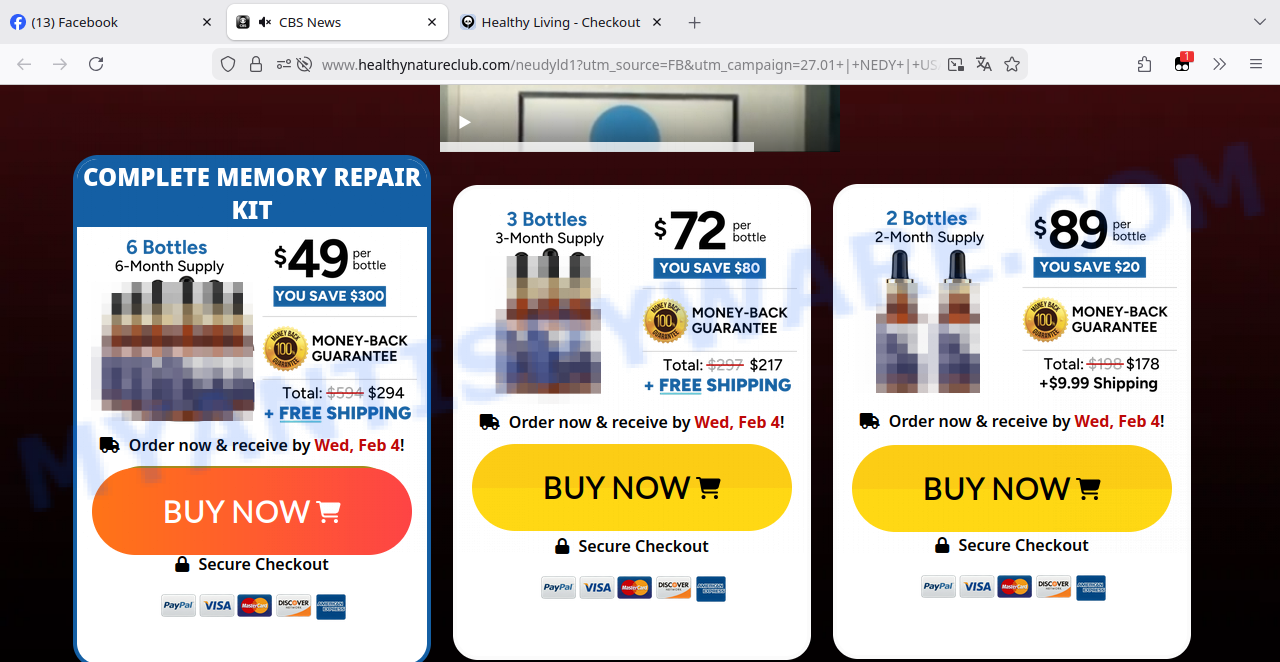
Clicking the ad leads to a fraudulent website like healthynatureclub.com styled to mimic CBS/60 Minutes, falsely implying legitimacy and medical endorsement. The landing page features fabricated headlines with references to non-existent research, doctors, and patients supposedly cured by ingesting the so-called “Blue Fruit.”
🎥 Embedded Video with False Promises
The site hosts a long-form video echoing the ad’s script filled with emotional pleas and unverified claims, but never actually showcasing or scientifically validating the “Blue Fruit” discovery. After watching, users are directed to a hidden sales section aggressively promoting NeuroDyne drops.
💎 Fake Credibility and Trust Signals
The scam uses copied logos, fabricated credibility badges (GMP, Non-GMO, Made in USA), and high-pressure sales tactics like “100% Money Back Guarantee” and countdown timers to deceive visitors into believing the offer is legitimate and time-sensitive.
🛒 Aggressive Product Offers
NeuroDyne is sold as a “Complete Memory Repair Kit” with multiple purchase bundles advertised at inflated prices, like 6 bottles for $294 or 3 bottles for $217. Discounts and “You Save” messages are used to manipulate buyers into committing quickly.
💳 Checkout through Untrustworthy Platforms
The payment process runs on third-party pages such as mycartpanda.com, offering options like PayPal and credit cards, which appear secure but actually funnel payments directly to the scammers without proper buyer protections.
⭐ Fake or Negative Reviews
While some promotional pages may show glowing testimonials, real customer feedback on sites like Trustpilot reveals a very low rating (1.8 stars) due to undelivered refunds, unopened packages, and poor customer service.
❌ No Real Medical Endorsements
The references to doctors like “Dr Attia” and respected media outlets are fabricated or misleading. There is no verifiable evidence that any qualified health professional or reputable news organization endorses NeuroDyne or the “Blue Fruit” claim.
🛑 Broken Money-Back Guarantees and Poor Support
Despite advertising easy returns and refunds, many customers report being ignored and unable to get their money back, highlighting the scam’s intent to take money without providing promised health benefits.
In summary, NeuroDyne “Blue Fruit” trick 🚫 is a scam that exploits emotional health concerns by presenting false hope through a fabricated “Blue Fruit” discovery and misleading video ads. It relies on fake news-style sites, bogus endorsements, deceptive sales techniques, and unreliable checkout systems to defraud buyers. Consumers should avoid purchasing NeuroDyne drops and always verify health claims through trusted sources before buying supplements online.
😱 What to Do If Scammed
If you find yourself ensnared by the NeuroDyne Drops Scam, immediate action is crucial. Here’s what you should consider doing:
🛑 Stop Further Transactions
The first step is to halt any additional transactions that might be in process. Contact your bank or credit card provider and inform them that you’ve fallen victim to a scam. They can help by blocking the card or reversing any unauthorized transactions.
📞 Report the Fraud
File a report with your local police and provide all the available evidence, such as screenshots, emails, and website URLs. Additionally, report the scam to online portals like the Better Business Bureau (BBB) at www.bbb.org or the Federal Trade Commission (FTC) at reportfraud.ftc.gov. If you’re in another country, reach out to your national consumer protection agency.
💻 Take Screenshots
Before the scam website gets taken down or changes, make sure to capture screenshots of your transactions and communications. These can serve as evidence if you decide to pursue legal action.
⚖️ Consult Legal Advice
Speak to a legal advisor about your situation. While pursuing legal action may be time-consuming and costly, it could be a possible avenue for recovering your lost money.
📢 Share Your Experience
Use social media platforms to share your experience and warn others about the scam. Your story could prevent someone else from falling victim to the same or similar scams.
Summary Table
| Factor | Observations | Impact on Legitimacy |
|---|---|---|
| Product Description | NeuroDyne is sold as a memory and brain health supplement in drop form. It is promoted using a story about a rare “Blue Fruit” that supposedly reverses Alzheimer’s symptoms. The product’s claims are made through a video and a fake news-style landing page that copies CBS/60 Minutes look but provides no real proof or scientific support. | Negative (Unproven claims and false presentation) |
| Marketing Channels | The product is promoted via Facebook video ads leading to a website designed to look like a trusted news site. The ads use emotional stories and urge quick action. The checkout is done on a third-party platform with pressure tactics like countdown timers and big discount banners. | Negative (Misleading ads and high-pressure sales tactics) |
| Website and Landing Page | The landing page mimics CBS/60 Minutes styling to seem credible. It uses fake doctor references and visual badges like “GMP,” “Non-GMO,” and “Money Back Guarantee” that are not verified. The domain is new and uses privacy protection, hiding who owns it. | Negative (Fake news style and misleading credibility elements) |
| Product Pricing | NeuroDyne is sold in multiple packages with prices ranging from about $49 to $89 per bottle, often with claims of saving money and limited-time deals to rush purchases. | Negative (Manipulative pricing to create urgency) |
| Customer Reviews and Feedback | Online reviews on Trustpilot show low ratings and complaints about not being able to contact the seller or get refunds. Website testimonials are missing or likely fake, offering no real customer trust. | Negative (Negative customer feedback and lack of genuine reviews) |
| Refund Policy | The sales pages advertise a money-back guarantee, but customer experiences reveal that getting refunds is difficult or impossible. | Negative (Misleading refund claims and poor customer service) |
| Payment Process | Checkout is handled through a third-party platform with PayPal and credit card options. Despite the “secure checkout” signs, customers risk giving personal and payment details to a potentially fraudulent seller. | Negative (Risky payment process and possible misuse of information) |
| Transparency and Trust | Domain ownership is hidden, no real medical endorsements are provided, and the product copies trusted brands’ looks to appear legitimate. These factors show a lack of honesty and transparency. | Negative (Lack of transparency and false credibility) |
Conclusion
The NeuroDyne Drops “Blue Fruit” trick is a scam, using deceptive marketing to mislead consumers into believing it can reverse Alzheimer’s symptoms. The campaign relies on fake news-style websites mimicking CBS/60 Minutes and fraudulent endorsements of a supposed breakthrough confirmed by “Stanford” and “Dr. Attia” — none of which have any verifiable basis.
Scammers behind NeuroDyne use urgent language, fabricated testimonials, and fake credibility badges such as “100% MONEY BACK GUARANTEE,” “GMP,” and “Non-GMO” to create a false impression of legitimacy. The sales process pushes expensive multi-bottle packages on a shady mycartpanda checkout page, where customers report unauthorized charges, unfulfilled orders, and near-impossible refund experiences, as evidenced by negative Trustpilot reviews.
Bottom Line: Avoid NeuroDyne Drops and the associated “Complete Memory Repair Kit.” Do not trust health claims presented through fake news-style sites or pressured sales funnels promising miracle cures for dementia or Alzheimer’s. Always research products independently, especially those making unrealistic promises backed only by manipulated content and bogus endorsements. Protect yourself by steering clear of these scams and never provide payment details to suspicious online offers.