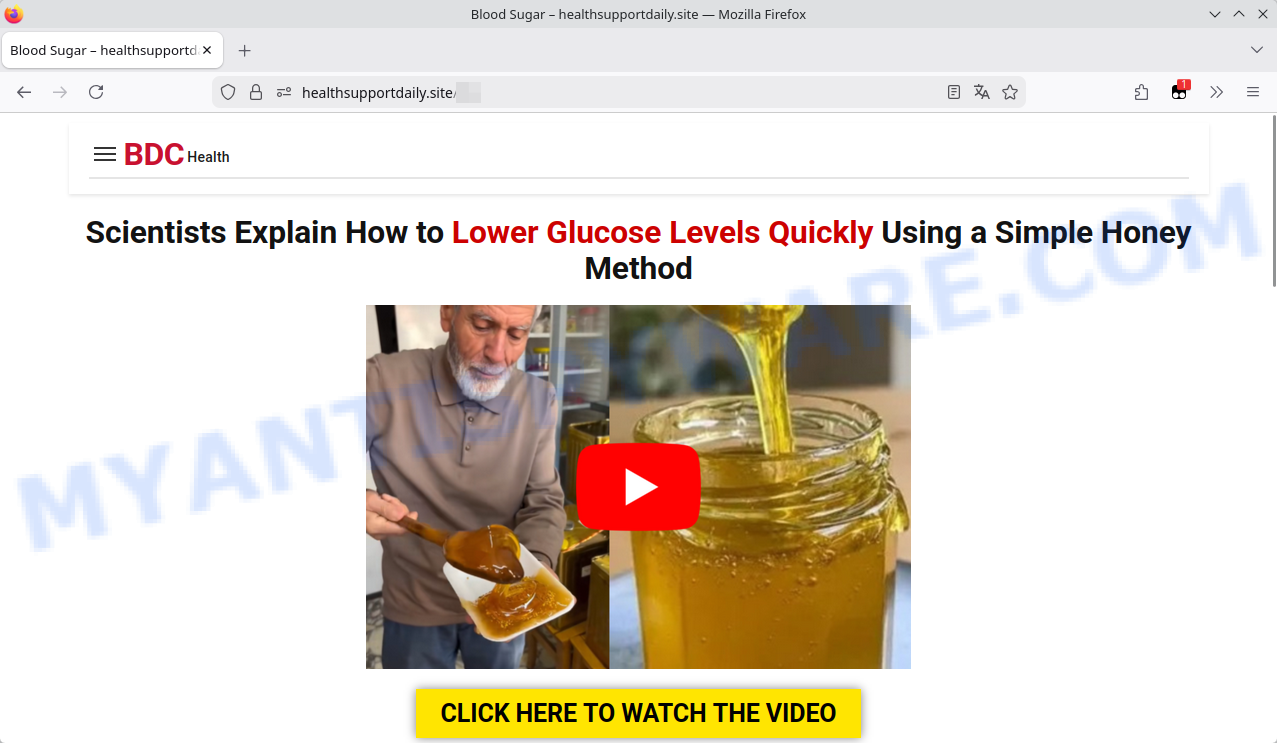
Gluco Balance is a dietary supplement aggressively marketed online with a so-called “simple honey method” that supposedly offers a quick fix to high blood sugar. This campaign uses flashy video-style landing pages on sites like healthsupportdaily.site, playing on the allure of natural cures and scientific-sounding language to coax visitors into buying the product. Despite the hype around the “honey method,” no genuine medical advice or proof is provided—just a push to purchase.
If you see claims about a miraculous “simple honey method” to fight high blood sugar, be extremely cautious. GlucoBalance’s offer is built on deception, not science. Always seek professional medical guidance and avoid purchases based on slick online funnels like this one. Protect your health and wallet by steering clear of this scam.
💡 Heads-up: Similar Scams Are Everywhere. Gluco Balance is not unique. It is one of many fake supplements, gadgets, and other schemes we expose in our Fact Checks section. All of them aim to grab your personal data or money. The people behind these scams run slick websites, spread bogus promo codes, and even pose as trusted brands or experts. Below are a few recent scams that follow the same playbook as Gluco Balance: Korean Bariatric Gelatin Trick Recipe, Rima Solo Jet Boat, Laurent Montier, Apple Student Rewards, LipoFit.
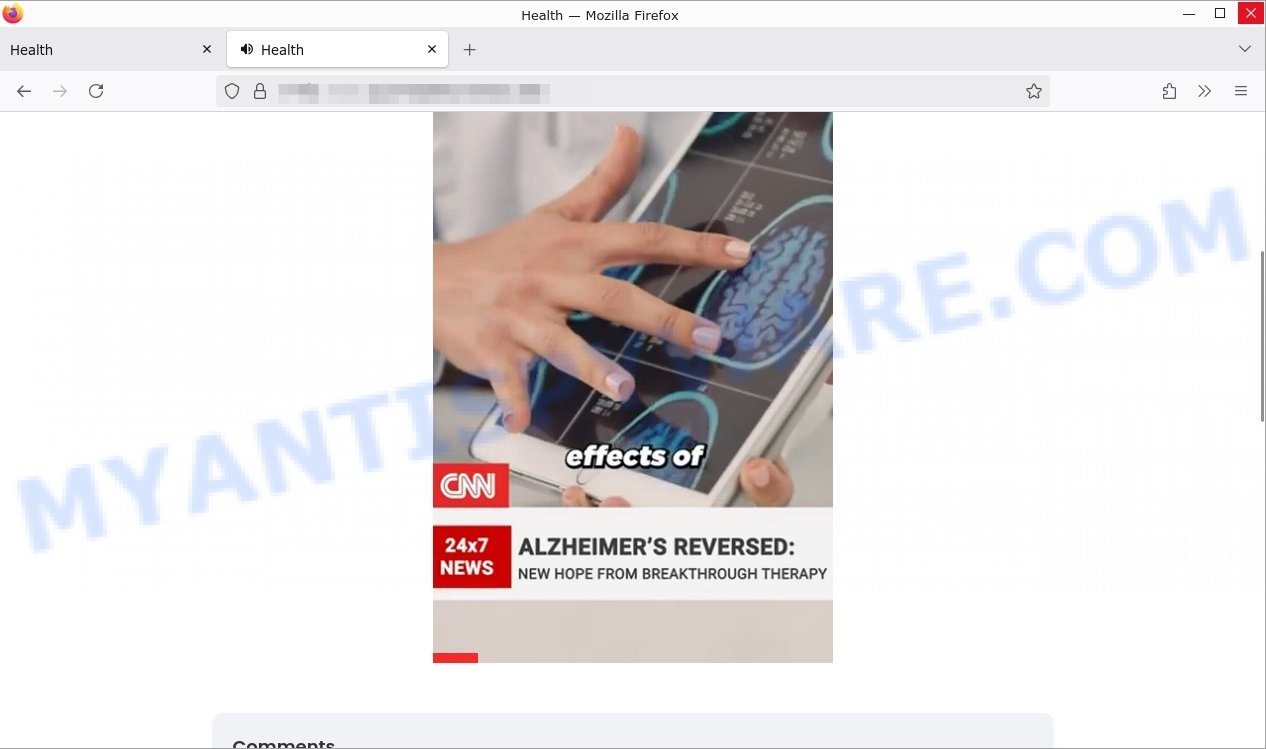
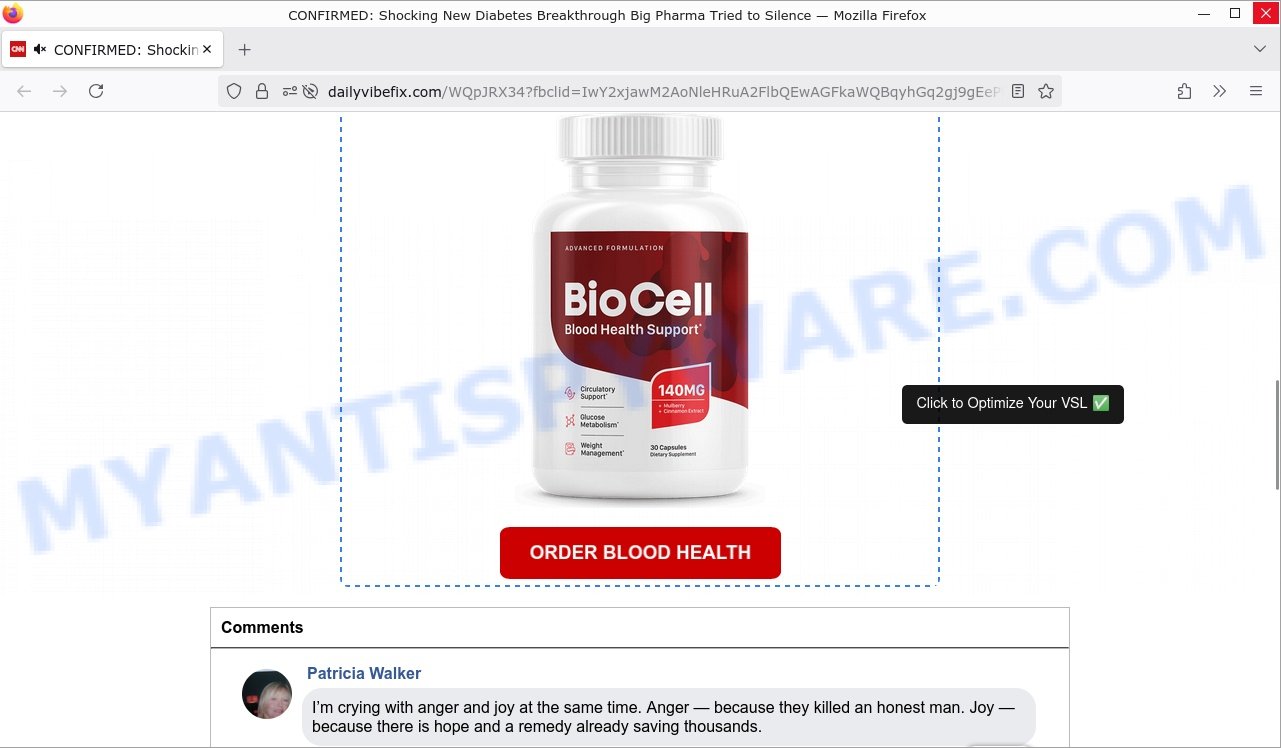
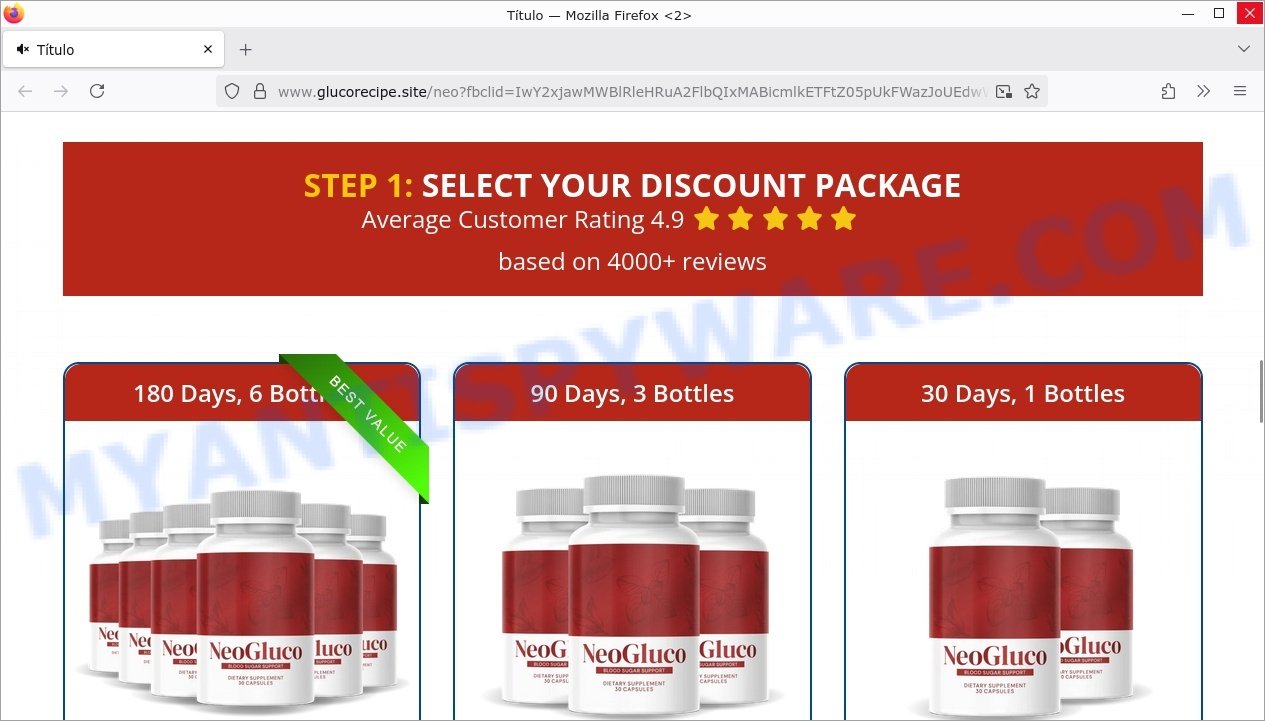
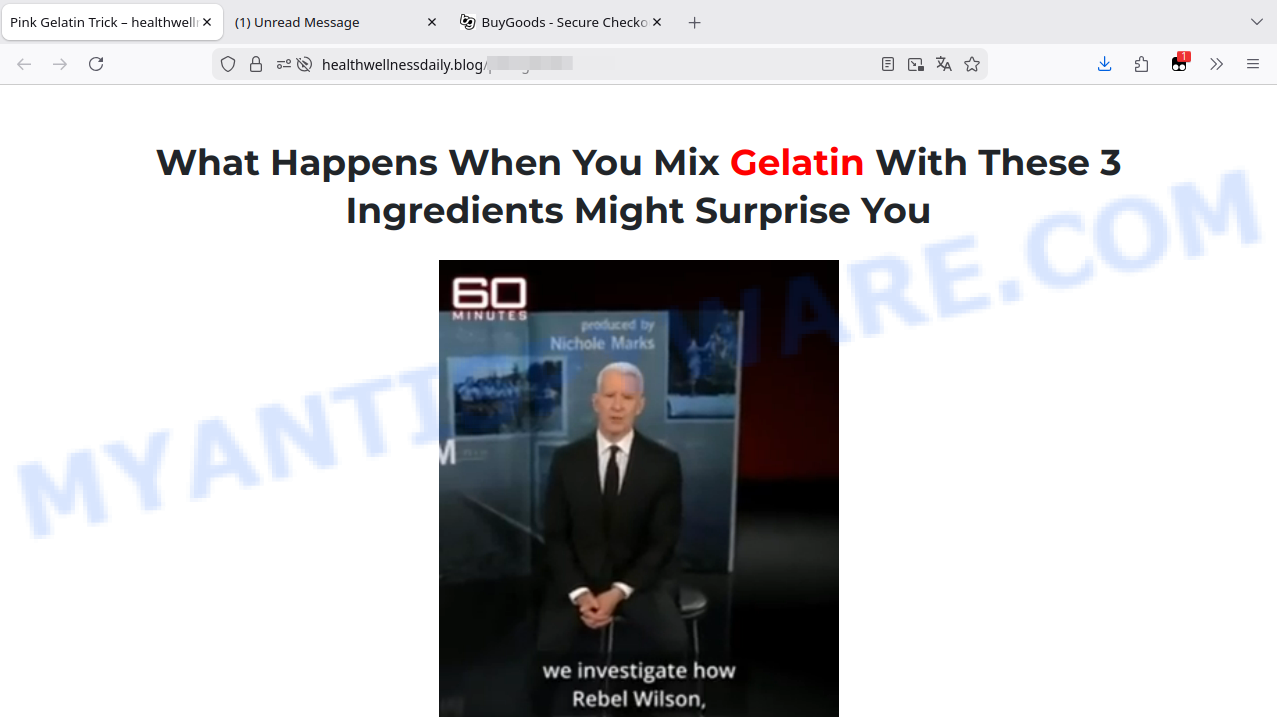
Table of Contents
🚨 Is GlucoBalance a Scam?
GlucoBalance is heavily promoted through deceptive marketing tactics centered around the so-called “simple honey method,” which claims a natural, fast way to lower blood glucose levels. This promotion is designed to lure consumers into buying the supplement without providing verifiable medical advice or delivering on its bold promises.
Key Red Flags:
- 🌐 Misleading Promotional Campaign: The campaign uses an attention-grabbing video style landing page with honey imagery and staged “scientist explains” narratives. This “simple honey method” is a marketing ploy that redirects visitors toward purchasing GlucoBalance rather than offering genuine, evidence-based guidance.
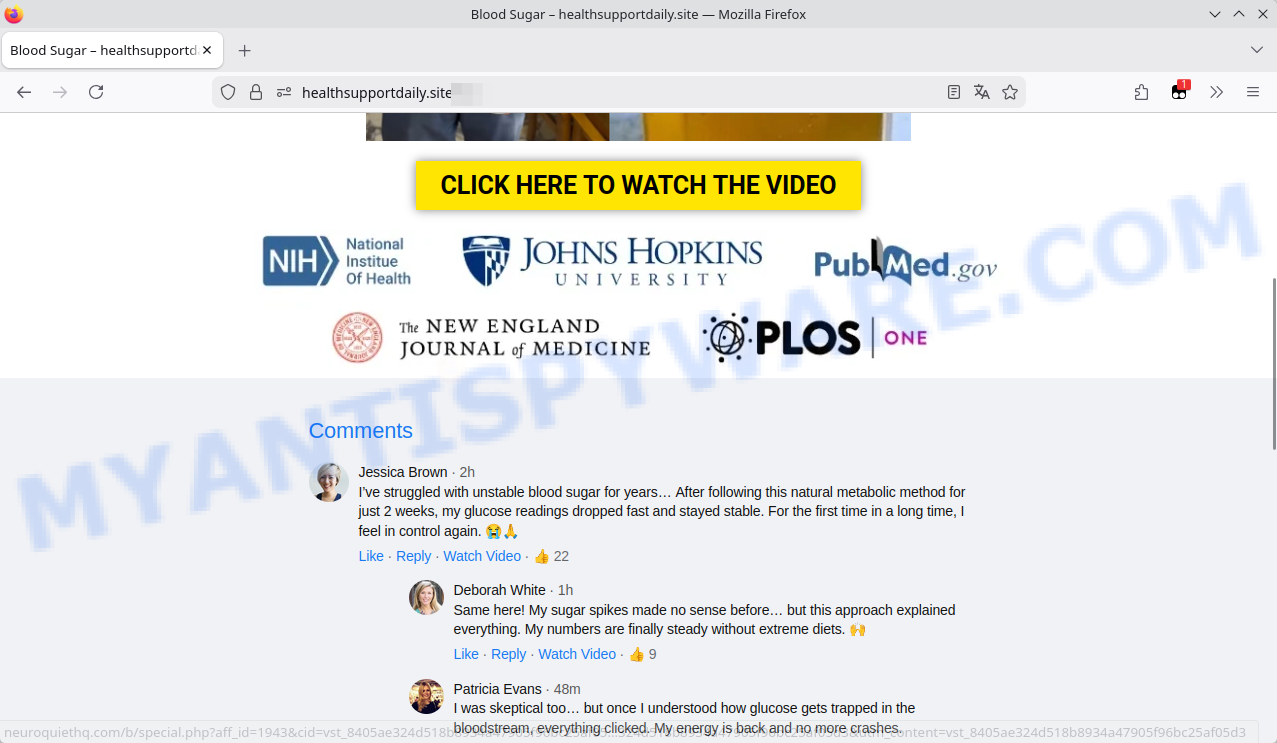
- ⭐ Fake Social Proof and Testimonials: The landing page shows numerous comments and success stories with names and like counts that appear to be staged social proof rather than authentic customer feedback, meant to create a false perception of credibility.
- 🔒 False Use of Credibility Logos: The page displays logos of reputable institutions such as NIH, Johns Hopkins, PubMed, The New England Journal of Medicine, and PLOS ONE without any supporting evidence or official endorsement, misleading visitors into trusting the product.
- ⚠️ Exaggerated Health Claims: Bold headlines promise rapid glucose lowering through the “simple honey method,” but these claims are unsubstantiated and the product itself does not demonstrate any verifiable medical benefits.
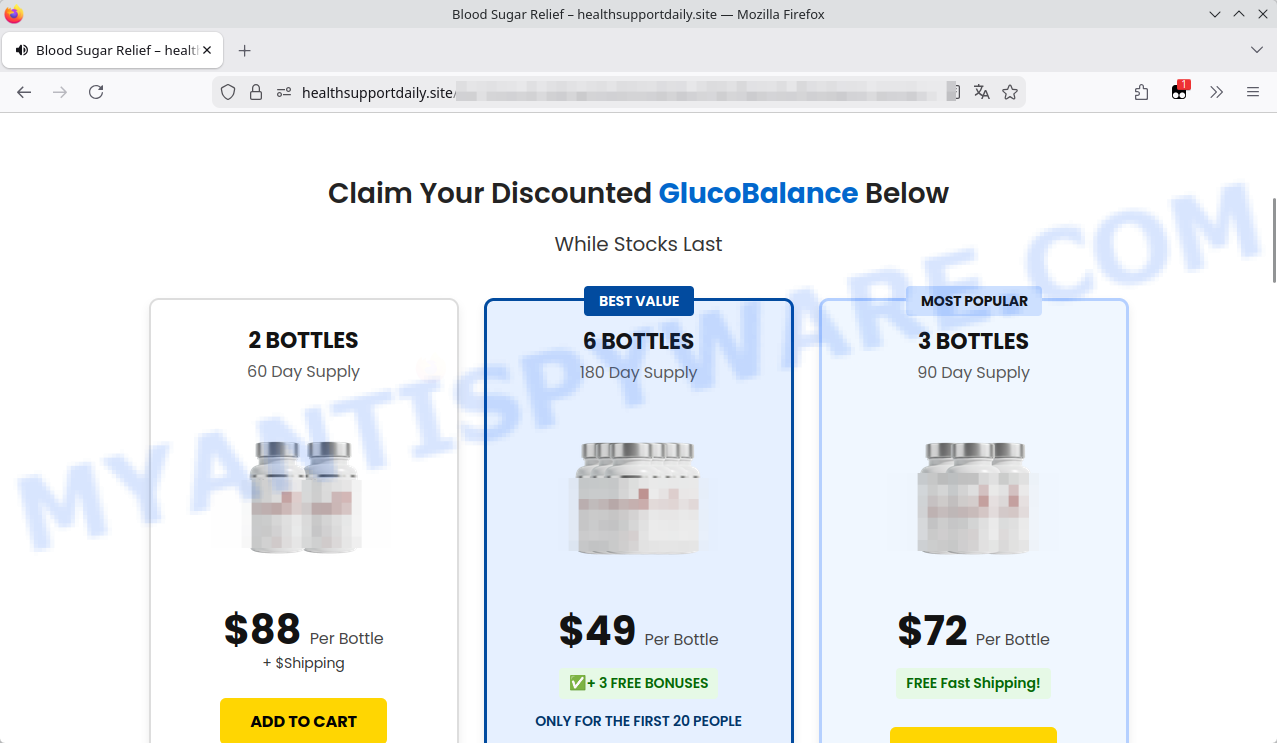
- 📉 Aggressive Sales Tactics and Pricing Tricks: The offer includes countdown timers, limited-quantity claims, bundle discounts, and bonuses to pressure consumers into quick purchases, a common tactic in scam funnels.
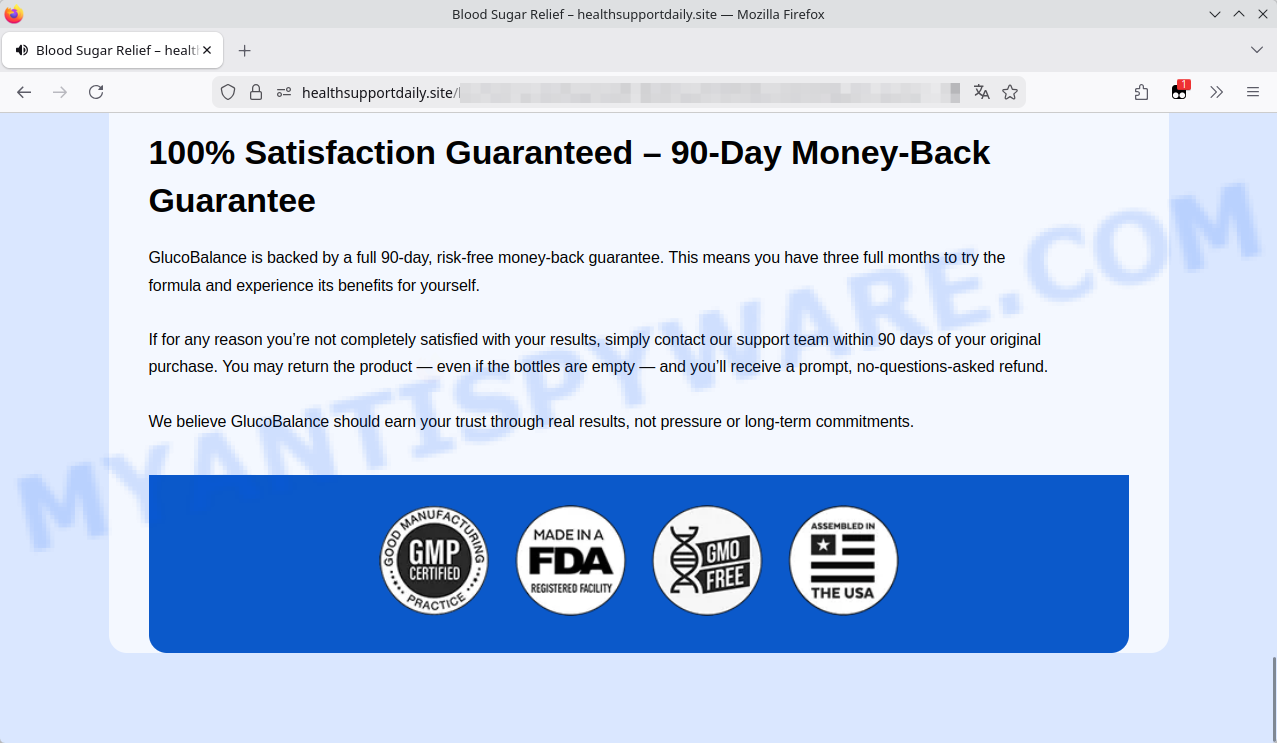
- 🔗 Deceptive Guarantee and Certification Claims: The so-called 90-day money-back guarantee and badges like “GMP,” “FDA Registered Facility,” and “Made in the USA” are presented without verifiable certifications or supporting documentation.
In summary, GlucoBalance is promoted through a misleading sales funnel that leverages false claims, fake endorsements, and high-pressure sales tactics to exploit consumers searching for natural blood sugar solutions. The much-touted “simple honey method” is not substantiated by any credible evidence. It is strongly recommended to avoid this product and instead consult licensed healthcare professionals for safe and proven blood glucose management strategies.
🕵️♂️ How the Scam Operates
🚨 It’s a deceptive scheme where a so-called “simple honey method” is used as bait to sell overpriced capsules with no proven benefit. 🔗 Step-by-Step Breakdown of the Scam:
🛒 Promoting a Fake “Simple Honey Method”
The scamsters advertise a “scientific” honey-based trick to rapidly lower blood glucose levels, attracting people with an unproven natural remedy. This “honey method” is little more than a marketing narrative designed to steer visitors toward buying GlucoBalance supplements instead of providing real medical advice.
🕸️ Creating Misleading Landing Pages
Their primary sales funnel is a professional-looking landing page at healthsupportdaily.site, styled like a health news article with fake branding (“BDC Health”). It features staged videos with honey imagery and vague “scientists explain” claims but contains no verifiable authorship or medical endorsements.
📢 Luring Customers with Emotional Video Ads
Ads on social media direct users to dramatic videos promising quick glucose control via honey. However, these videos quickly pivot from education to aggressively pushing GlucoBalance supplements, without delivering the promised natural “honey hack.”
💼 Faking Credibility with False Logos
The page displays prominent logos of reputable organizations like NIH, Johns Hopkins University, and The New England Journal of Medicine to falsely imply endorsement. These associations are completely unverified and misleading.
💸 Using Pressure Sales Tactics
They exaggerate urgency with countdown timers, claims of limited availability (“Only for the First 20 People”), and “big discounts” on multiple-bottle bundles to rush buyers into impulse purchases.
🌟 Featuring Fake Testimonials
The site includes staged customer reviews and social proof comments with names and likes to appear trustworthy. These testimonials are fabricated to simulate positive experiences and boost buyer confidence.
⚖️ Misleading Health and Safety Claims
The product page boasts certifications like “GMP,” “FDA Registered Facility,” “GMO FREE,” and “Made in the USA,” none of which are substantiated by verifiable documentation.
🛍️ Complicated Payment and Refund Process
Customers are encouraged to pay upfront via generic “Add to Cart” buttons with no clear payment processor information. Despite promises of a “90-Day Money-Back Guarantee,” refunds are often difficult or impossible to obtain.
In summary, the 🚫 scam tricks consumers by advertising a fake “simple honey method” and uses false scientific imagery, bogus endorsements, fake reviews, and aggressive sales tactics to sell ineffective supplements. Buyers are left with useless products and little chance of refund or support. Always be cautious and verify health product claims with trusted medical sources before purchasing.
😱 What to Do If Scammed
If you find yourself ensnared by the Gluco Balance Scam, immediate action is crucial. Here’s what you should consider doing:
🛑 Stop Further Transactions
The first step is to halt any additional transactions that might be in process. Contact your bank or credit card provider and inform them that you’ve fallen victim to a scam. They can help by blocking the card or reversing any unauthorized transactions.
📞 Report the Fraud
File a report with your local police and provide all the available evidence, such as screenshots, emails, and website URLs. Additionally, report the scam to online portals like the Better Business Bureau (BBB) at www.bbb.org or the Federal Trade Commission (FTC) at reportfraud.ftc.gov. If you’re in another country, reach out to your national consumer protection agency.
💻 Take Screenshots
Before the scam website gets taken down or changes, make sure to capture screenshots of your transactions and communications. These can serve as evidence if you decide to pursue legal action.
⚖️ Consult Legal Advice
Speak to a legal advisor about your situation. While pursuing legal action may be time-consuming and costly, it could be a possible avenue for recovering your lost money.
📢 Share Your Experience
Use social media platforms to share your experience and warn others about the scam. Your story could prevent someone else from falling victim to the same or similar scams.
Summary Table
| Factor | Observations | Impact on Legitimacy |
|---|---|---|
| Product Description | GlucoBalance is sold as a dietary supplement promoted through a “simple honey method” that claims to quickly lower blood glucose. The marketing uses a video and honey images to suggest a natural trick but does not provide real medical advice or proof of effectiveness. | Negative (Misleading claims and lack of real medical evidence) |
| Marketing Approach | The product is advertised via social media ads leading to a website styled like a health news article, but it has no real author or reliable sources. The landing page uses staged videos and graphic effects to create false impressions of scientific backing. | Negative (Deceptive marketing and fake presentation style) |
| Credibility Elements | The site displays logos of reputable institutions like NIH and Johns Hopkins University without proof of their endorsement. It also shows fake customer comments and testimonials that look staged to create false trust. | Negative (False use of trusted names and fake social proof) |
| Sales Tactics | The sales page uses pressure tactics such as countdown timers, limited availability, and bonus offers. Pricing is shown with large discounts to push fast purchases, combined with money-back guarantee claims and certification badges that are not verifiable. | Negative (High-pressure sales tactics and unproven guarantees) |
| Consumer Risks | Buyers may have trouble getting refunds despite the promised money-back guarantee. Personal details collected could be used for unwanted marketing, and the secure payment claims lack transparency due to missing payment processor info. | Negative (Risk of difficult refunds and privacy concerns) |
| Product Authenticity | The product claims to be made in FDA-registered facilities, GMP certified, GMO free, and “Assembled in the USA,” but no proof for these claims is shown. The product is likely a repackaged supplement pushed by misleading marketing. | Negative (Unproven certifications and authenticity) |
Conclusion
The GlucoBalance “Simple Honey Method” is a scam that uses deceptive marketing tactics to mislead consumers. The campaign’s central claim of a “simple honey method” to rapidly lower blood sugar is a fabricated narrative designed solely to funnel visitors into purchasing GlucoBalance capsules, rather than providing any genuine or medically supported advice.
This scheme relies heavily on a staged landing page featuring misleading video thumbnails of honey, unverified endorsements from prestigious research organizations like NIH and Johns Hopkins University, and a slew of fake testimonials to create the illusion of legitimacy. The product is pushed with aggressive sales tactics including countdown timers, limited-time offers, inflated discount claims, and purported “100% satisfaction guarantees,” none of which provide real consumer protection.
Bottom Line: Avoid GlucoBalance and the so-called “simple honey method.” The product lacks credible scientific backing, and the marketing funnel uses counterfeit endorsements and social proof to deceive potential buyers. Be wary of any health supplement advertised with dramatic claims tied to unverifiable “methods” and urgent purchase pressures. Always conduct thorough research before investing in such products to protect yourself from scams like this.