A brand-new scam is sweeping social media, luring unsuspecting students with a fake promise: a $1000 Apple gift card just for completing a few simple online “deals”. It sounds legit—catchy videos on TikTok and Instagram hype a special student offer, directing users to slick-looking sites like studentdeal.netlify.app. But behind the polished facade lies a classic bait-and-switch designed to steal your personal info and drain your wallet.
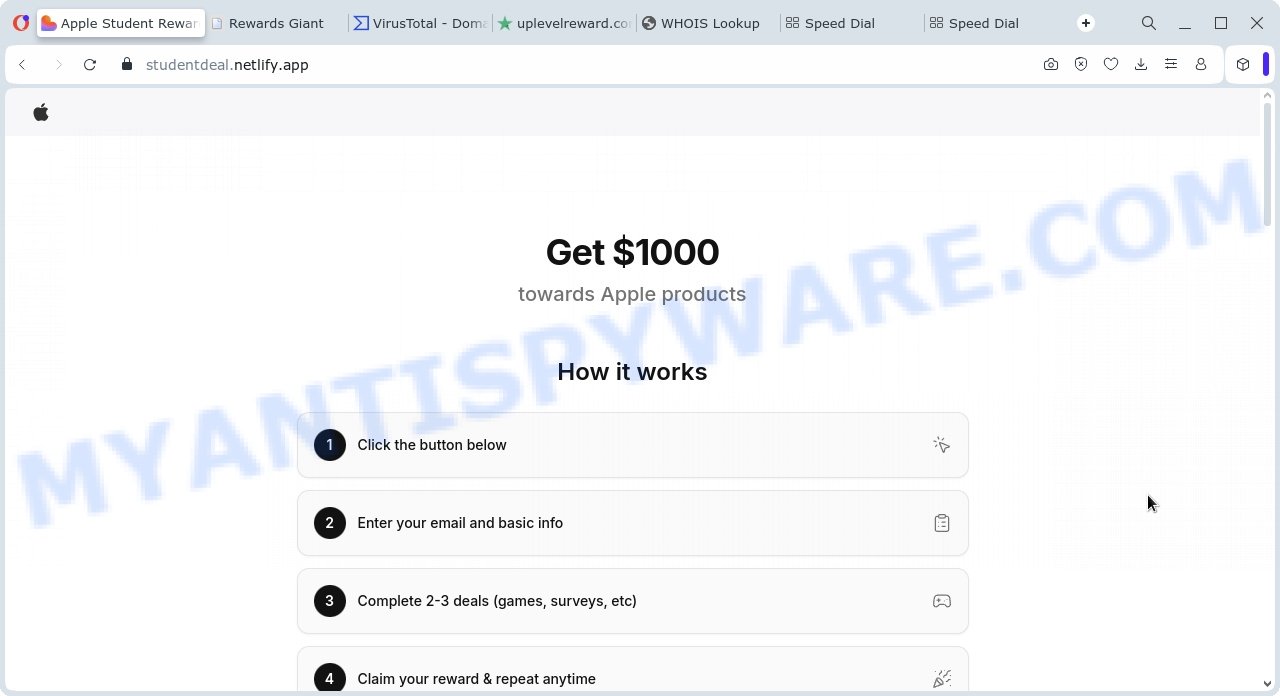
Here’s the short truth: there is no $1000 Apple reward waiting for you. These sites mimic official Apple branding, show bogus testimonials from fake university students, and slap on fake security badges to seem credible. When you start completing “tasks”, you’re really signing up for costly subscriptions, app downloads that charge you, or endless affiliate offers that only line someone else’s pockets. The operators—companies like RewardZone USA, LLC—have a dismal online reputation filled with reports of phishing, unauthorized charges, and zero customer support.
If you encounter any “Apple student rewards” offering big gift cards in exchange for your email or purchases, walk away. Apple has no connection whatsoever to these sites or promotions. This scam highlights a simple but powerful rule: when an online offer sounds too good to be true, it almost always is. Protect your data, avoid fake rewards, and don’t let slick scammers cash in on your trust.
💡 Heads-up: Similar Scams Are Everywhere. Apple Student Rewards is not unique. It is one of many fake supplements, gadgets, and other schemes we expose in our Fact Checks section. All of them aim to grab your personal data or money. The people behind these scams run slick websites, spread bogus promo codes, and even pose as trusted brands or experts. Below are a few recent scams that follow the same playbook as Apple Student Rewards: Gluco Control Drops, Arialief Nerve‑Health Supplement, JetHose Pressure Washer, GLPro, Spotifyreview.com.
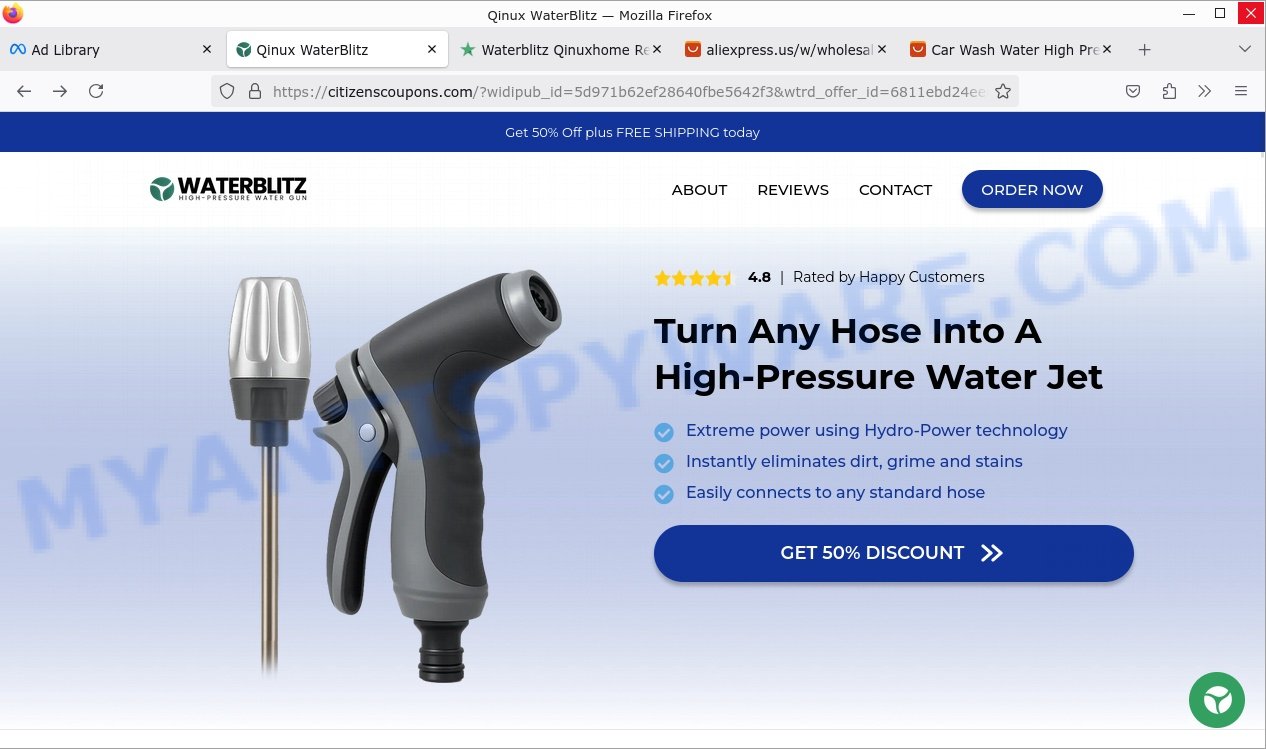
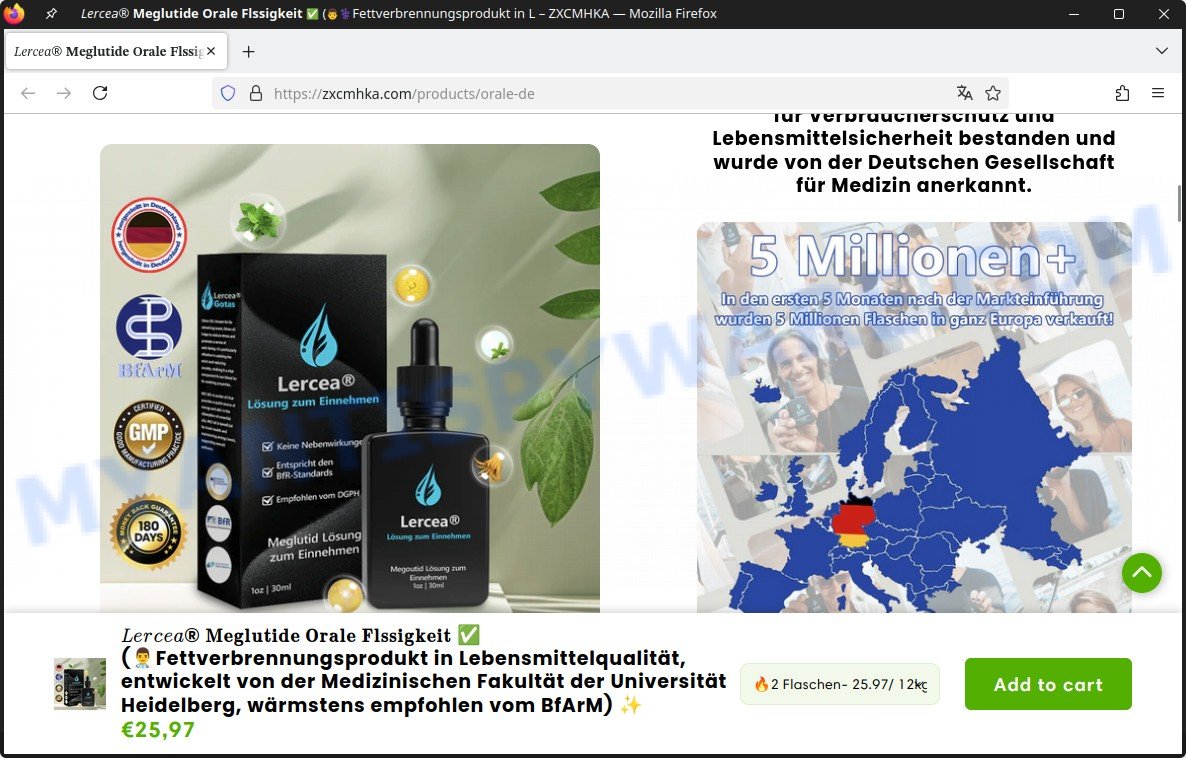
Table of Contents
🕵️♂️ How Apple Student Rewards Scam Operates
Apple Student Rewards is a deceptive scam. 🚨 It tricks users into believing they can receive a $1000 Apple gift card by completing simple tasks, but it’s all a fraud designed to steal money and personal information.
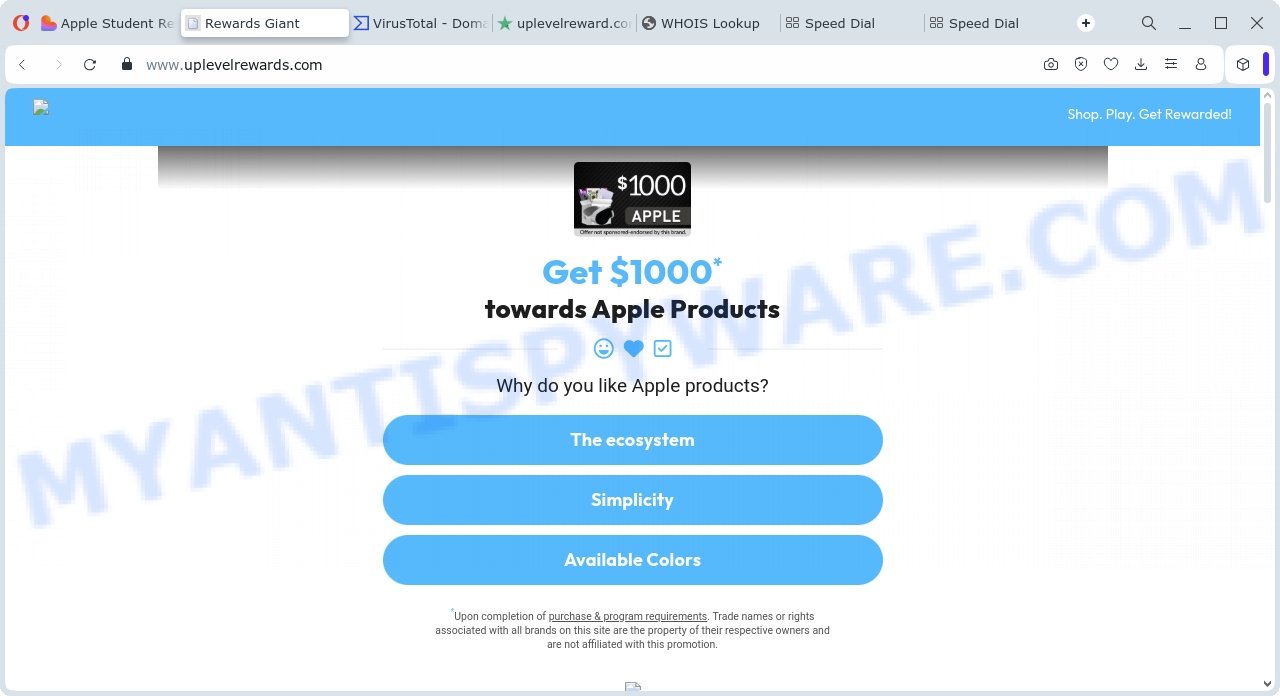
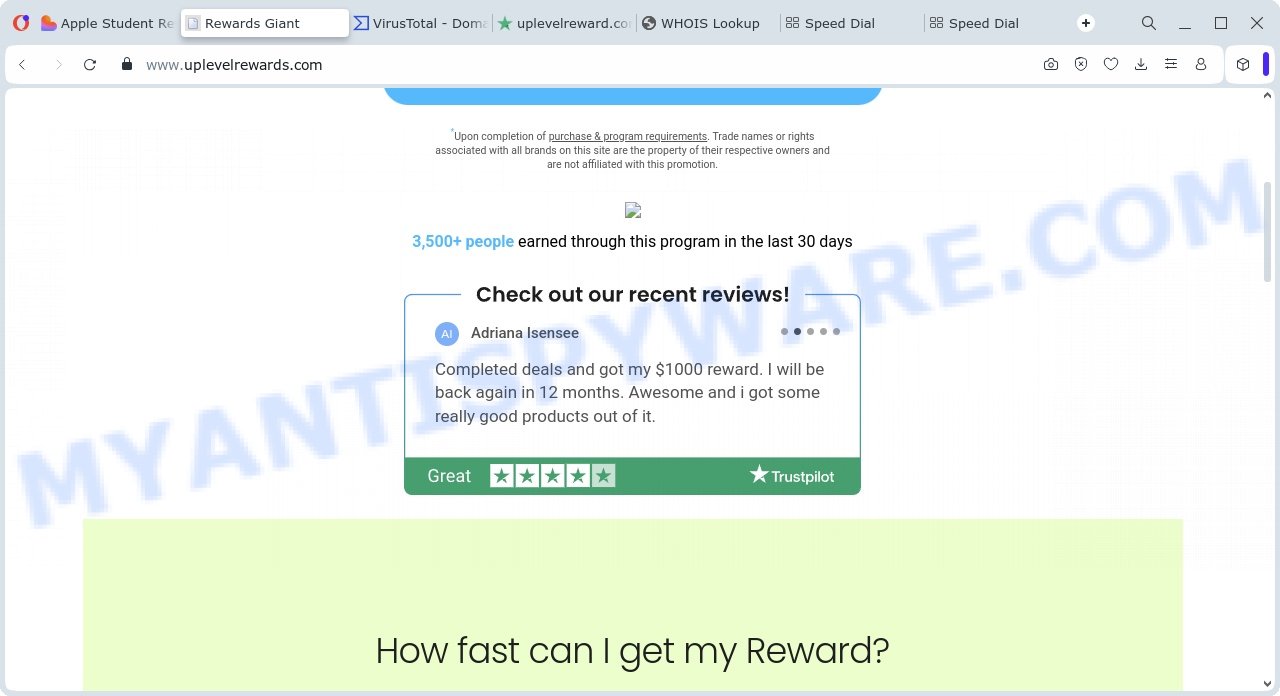
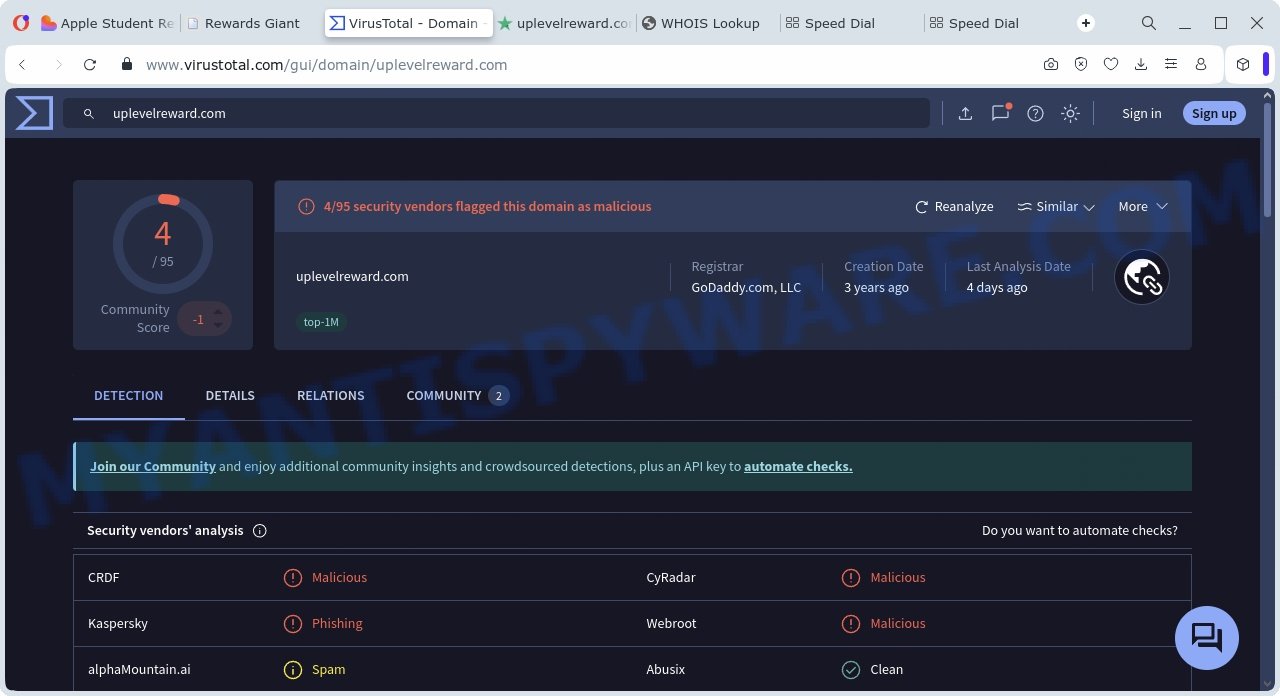
🔗 Step-by-Step Breakdown of the Scam:
📱 Luring Students with Social Media Ads
The scam kicks off with eye-catching TikTok, Instagram, and Facebook videos claiming students can easily claim $1000 towards Apple products. These videos link to sites like studentdeal.netlify.app, falsely presented as official Apple promotions.
🌐 Fake Promotional Websites
Scammers create convincing websites such as studentdeal.netlify.app. These sites mimic legitimate Apple branding, display fabricated testimonials from fake students, and show badges like “🔒 Safe & Secure” and “50k+ Students Rewarded” to build false trust. Contact info is minimal or nonexistent.
📢 Misleading Instructions and Claims
Websites instruct users to enter their email and complete “2–3 deals” like surveys or app downloads to claim the $1000 reward. They promise free Apple gift cards “upon completion”, but never actually deliver. The sites also use fake Trustpilot reviews and bogus security seals to appear credible.
🕳️ Endless Tasks with Hidden Costs
Users are pushed to complete multiple paid “deals” (sometimes up to 25) involving app installs or subscriptions. These tasks often require entering credit card details, leading to unauthorized charges or ongoing fees—with no real reward payout.
💸 Collecting Personal Data and Payments
Victims provide personal information and payment details under the pretense of verification or unlocking rewards. The scammers then misuse this data, often resulting in spam, identity theft, or credit card fraud.
📉 False Progress Updates and Upsells
The program falsely reports how many people have “earned” rewards and encourages users to complete more offers or purchase extra upgrades for better “chances”—all designed to extract more money.
⚠️ No Genuine Customer Support or Refunds
Once users realize the trick, it’s nearly impossible to get refunds or assistance. The companies behind these scams provide unresponsive or fake customer service and ignore complaints.
In summary, the Apple Student Rewards scam deceives consumers into completing costly offers in exchange for a fake $1000 Apple gift card. It uses fake websites, fabricated testimonials, misleading ad campaigns, and unauthorized charges to defraud victims. Apple Inc. is not affiliated with any of these “reward” offers. Always verify promotions directly through official Apple channels and avoid providing personal or payment information to suspicious third-party sites.
😱 What to Do If Scammed
If you find yourself ensnared by the Apple Student Rewards Scam, immediate action is crucial. Here’s what you should consider doing:
🛑 Stop Further Transactions
The first step is to halt any additional transactions that might be in process. Contact your bank or credit card provider and inform them that you’ve fallen victim to a scam. They can help by blocking the card or reversing any unauthorized transactions.
📞 Report the Fraud
File a report with your local police and provide all the available evidence, such as screenshots, emails, and website URLs. Additionally, report the scam to online portals like the Better Business Bureau (BBB) at www.bbb.org or the Federal Trade Commission (FTC) at reportfraud.ftc.gov. If you’re in another country, reach out to your national consumer protection agency.
💻 Take Screenshots
Before the scam website gets taken down or changes, make sure to capture screenshots of your transactions and communications. These can serve as evidence if you decide to pursue legal action.
⚖️ Consult Legal Advice
Speak to a legal advisor about your situation. While pursuing legal action may be time-consuming and costly, it could be a possible avenue for recovering your lost money.
📢 Share Your Experience
Use social media platforms to share your experience and warn others about the scam. Your story could prevent someone else from falling victim to the same or similar scams.
Summary Table
| Factor | Observations | Impact on Legitimacy |
|---|---|---|
| Promotion Description | The so-called “Apple Student Rewards” claims users can get a $1000 gift card for Apple products by completing simple online tasks. It starts with ads on TikTok and Instagram and directs users to fake websites that pretend to be official Apple offers. | Negative (False promotion with no real Apple connection) |
| Marketing Method | Marketing uses social media posts with supposed “student deals” to trick users into believing in easy, big rewards. The ads create urgency and highlight fake success stories to attract clicks. | Negative (Deceptive social media marketing and fake endorsements) |
| User Tasks and Offers | Users are asked to complete multiple “deals” like surveys, game downloads, or paid app trials. Smaller rewards require fewer deals, but real payouts are unlikely. Most deals end up charging money or subscriptions without clear refund options. | Negative (Hidden costs and unfair conditions) |
| Trust Elements | The sites display fake Trustpilot badges, false reviews, and numbers about people earning rewards. These are all fabricated to create a false image of legitimacy. | Negative (Fake social proof and misleading trust claims) |
| Company Background | RewardZone USA, LLC operates the uplevelrewards.com site. This company and its domains have poor reputations, flagged for phishing and scams. User reviews report unauthorized charges and invalid rewards. | Negative (Established scam reports and bad company reputation) |
| Safety and Privacy | The scam collects personal data and payment information, putting users at risk of spam, identity theft, and credit card fraud. There is no clear safety or refund support. | Negative (Risk to personal and financial safety) |
| False Claims About Apple | The scam falsely uses Apple’s name and logos to mislead customers. Apple is not connected or involved in these promotions, as clearly stated in disclaimers on the sites. | Negative (Unauthorized use of brand causing confusion) |
| Refund and Guarantee | Though the scam sites mention “Money-Back Guarantee” and “No Hidden Fees”, these promises are false. Users experience issues getting refunds or support after payments. | Negative (Misleading refund policies and poor customer service) |
Conclusion
The Apple Student Rewards scam is a fraudulent operation relying on deceptive social media ads, fake websites, and fabricated testimonials to trick users into believing they can earn $1000 in Apple gift cards by completing simple online tasks. This scam exploits students and Apple fans by mimicking official Apple branding and creating a false sense of legitimacy with bogus security claims and fake reviews.
Instead of genuine rewards, victims are funneled into completing paid offers, downloading apps, or subscribing to services that generate affiliate commissions for the scam operators, while exposing themselves to financial loss, identity theft, and spam. Websites like studentdeal.netlify.app use misleading progress bars, fake Trustpilot badges, and false user testimonials to lure users in, despite no real connection to Apple.
Bottom Line: Avoid any site or offer promising $1000 Apple gift cards for free or in exchange for completing “deals”. Always verify promotions through official Apple channels. Be highly skeptical of “rewards” that require you to submit personal information or make purchases. If the offer sounds too good to be true and relies on fake endorsements or deceptive tactics, it is almost certainly a scam.