“Korean Bariatric Gelatin Trick” is just another weight-loss scam preying on hopefuls with promises of rapid, effortless fat loss. Starting from a paid Facebook ad promising a celebrity-endorsed secret, it funnels you through a fake news-style site featuring a purported expert, “Dr. Kwon,” and dramatic before-and-after photos. The pitch? A simple gelatin recipe combined with a personalized app will supposedly trigger powerful satiety hormones and help you shed up to 13 kilos in just three weeks — claims that sound suspiciously like snake oil.

But there’s no secret magic here. The so-called “miracle” formula isn’t freely shared; instead, you’re pressured into buying an overpriced app, recipe or supplement with limited-time offers, bogus social proof, and fake endorsements from big-name journals and celebrities. Scientific-sounding jargon is tossed around without any real studies or verifiable info, while scare tactics like countdown timers create urgent buy-now panic. In truth, this is a classic bait-and-switch scam designed to separate you from your money, with no proven benefits and plenty of red flags signaling caution. If you’re tempted by quick-fix “hacks,” keep reading—because the truth behind this gelatin trick exposes how easily these schemes manipulate hope and hunger for profit.
💡 Heads-up: Similar Scams Are Everywhere. Korean Bariatric Gelatin Trick Recipe is not unique. It is one of many fake supplements, gadgets, and other schemes we expose in our Fact Checks section. All of them aim to grab your personal data or money. The people behind these scams run slick websites, spread bogus promo codes, and even pose as trusted brands or experts. Below are a few recent scams that follow the same playbook as Korean Bariatric Gelatin Trick Recipe: Orodeals.com, Lyyeto Moringa Berberine Patch, Your IPhone Is Not Protected, Dumb Money System, YourNextHaul.com.
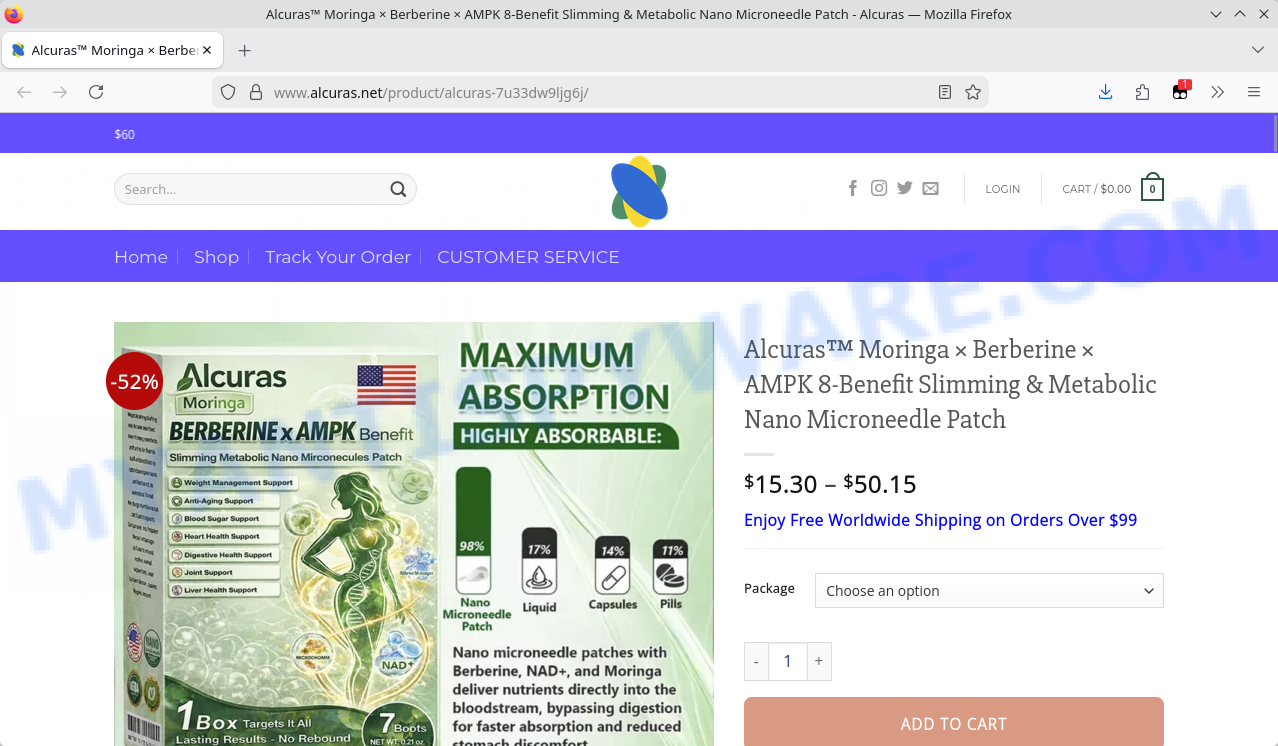
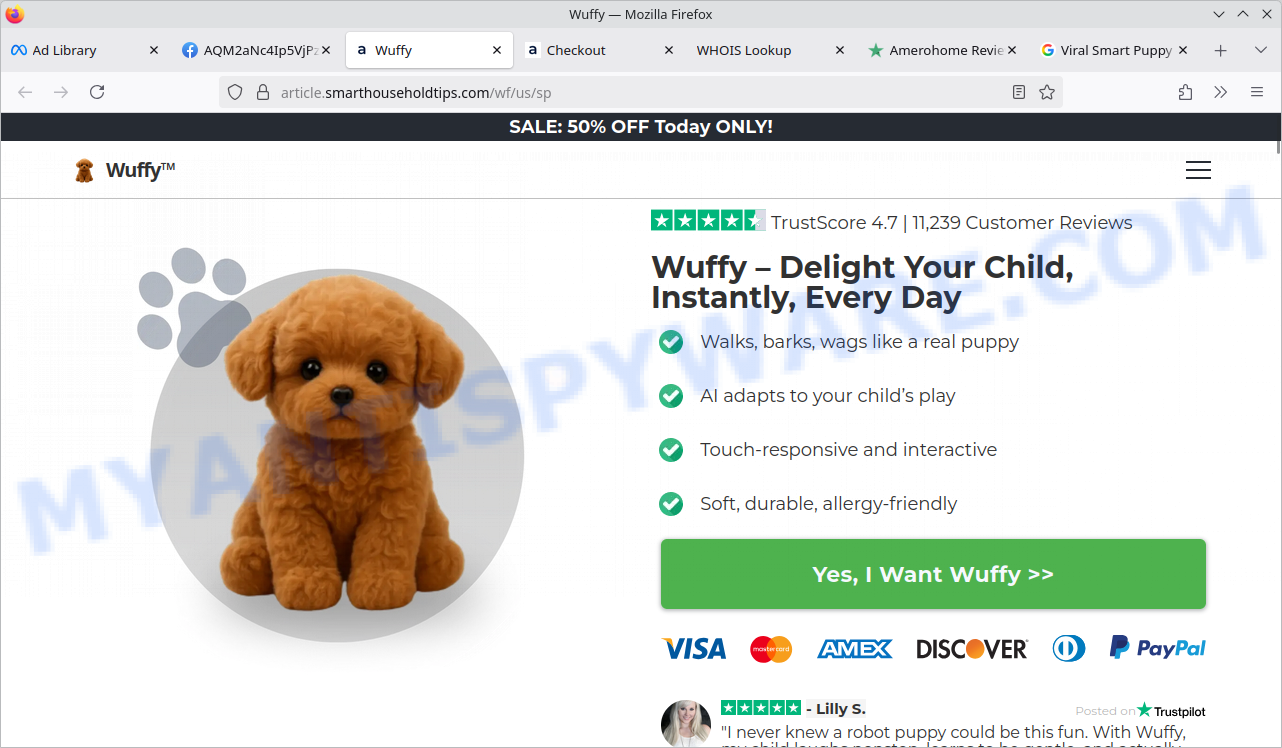
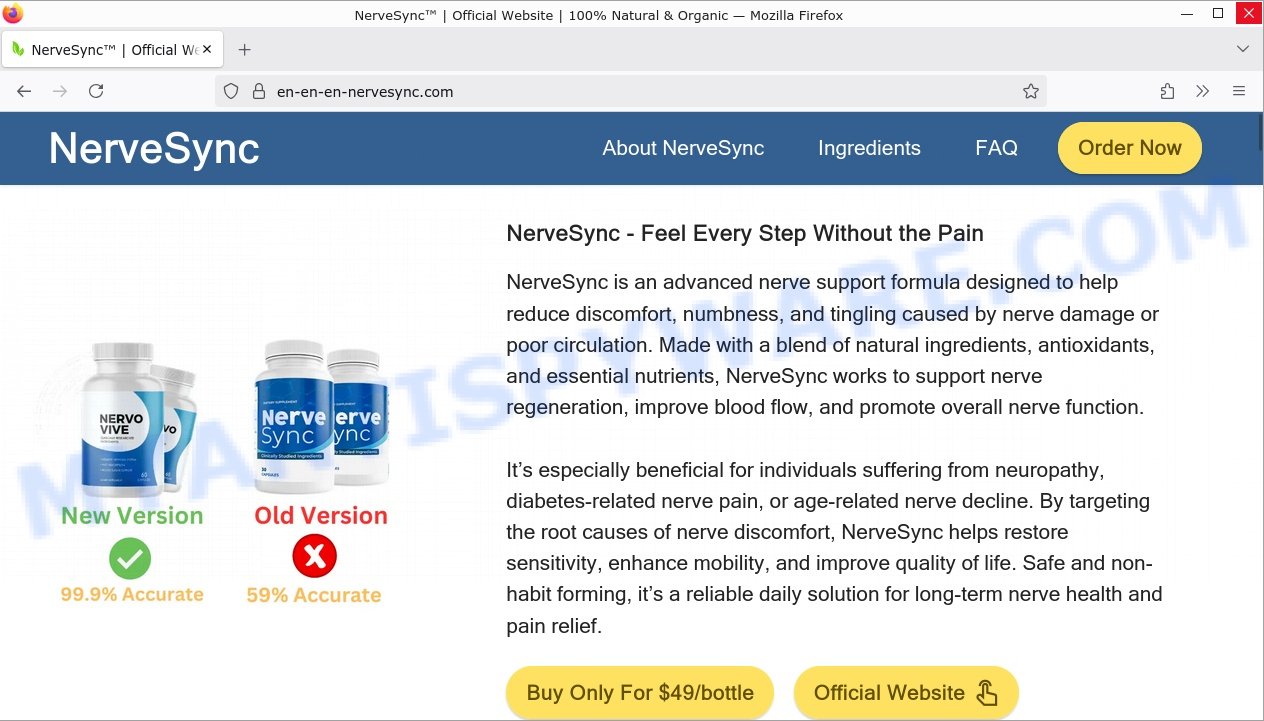
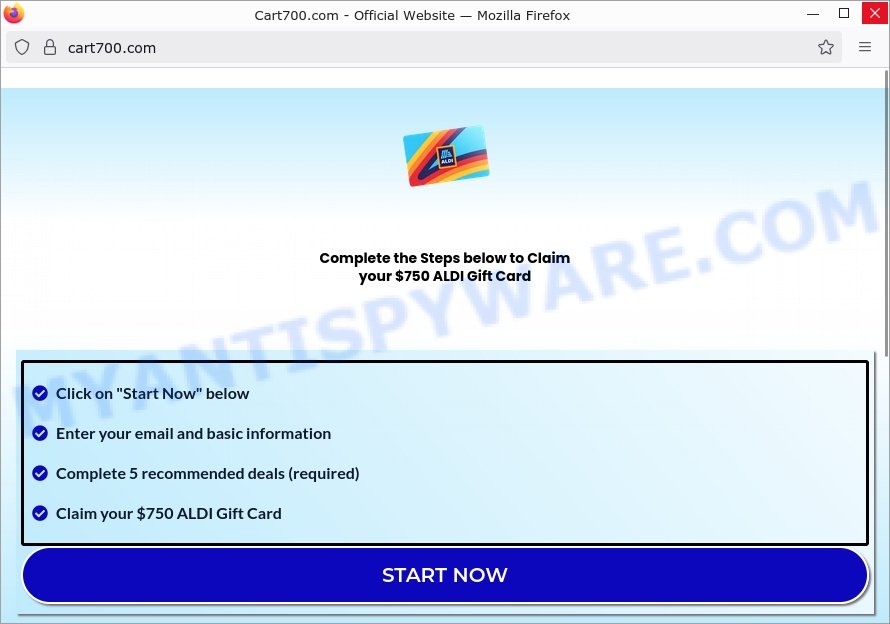
Table of Contents
🚨 Is the Korean Bariatric Gelatin Trick Scam Real?
The so-called “Korean Bariatric Gelatin Trick” promoted by a paid social media campaign is a deceptive scheme targeting people desperate for rapid weight loss solutions. The campaign funnels unsuspecting consumers into purchasing a mobile/web app and gelatin recipe that falsely promises dramatic and fast weight loss based on unproven science.

Key Scam Indicators:
- 🌐 Misleading Social Media Ads: The campaign starts with sponsored Facebook posts featuring sensational headlines and eye-catching gelatin images to lure clicks. These ads link to suspicious URLs and promise celebrity-endorsed “secret” recipes that sound too good to be true.
- 📰 Fake News-Style Landing Pages: The landing page, styled like a health news article, headlines claims like “Lose up to 13 kilos in just 21 days!” and features a purported expert, “Dr. Kwon,” along with dramatic before-and-after photos. However, no verifiable credentials or proof back these claims.
- 🎥 Unsubstantiated Video Testimonials: Central to the landing page is a video where “Dr. Kwon” makes bold claims that the gelatin formula stimulates hormones and mimics prescription drugs like Ozempic, without offering scientific proof or clinical trial data.
- 🔒 False Credibility Signals: The page misuses logos of reputable media, journals, and organizations to falsely imply endorsements (The Lancet, Stanford, JAMA, FDA) and showcases fake user counts and testimonials to feign legitimacy.
- 🛒 Pressure Sales & Pricing Tricks: The app is sold with steep, limited-time discounts and artificial scarcity warnings (“68 spots left!”), pressuring visitors to buy impulsively. The high “regular” prices and “bonuses” attempt to justify the urgency and cost.
- ❌ No Verified Payment Processor or Seller Info: Despite claims of “secure payment,” the checkout lacks transparent, verifiable merchant identity and does not guarantee legitimacy or data protection beyond SSL encryption.
- ⚠️ Exaggerated Claims with No Medical Backing: Promises of rapid, large weight loss with no side effects, hormone boosts, and comparisons to prescription drugs are not supported by any verifiable clinical studies or independent medical reviews.
Summary: The “Korean Bariatric Gelatin Trick” is a classic example of an online weight-loss scam using fake scientific claims, false endorsements, and high-pressure sales tactics to sell an unproven app and recipe. Consumers should avoid purchasing this product, as it risks wasting money and potentially delaying legitimate medical treatment. Always consult licensed healthcare professionals and rely on verified research rather than social media promotions promising quick fixes.
🕵️♂️ How the Korean Bariatric Gelatin Trick Scam Operates
The Korean Bariatric Gelatin Trick Scam is a deceptive marketing scheme promoting a so-called “Korean gelatin recipe” and accompanying mobile/web app as a rapid weight-loss solution. 🚨 This scam uses false promises and fake endorsements to trick consumers into paying for an ineffective product based on bogus health claims. 🔗 Step-by-Step Breakdown of the Scam:


📱 Sponsored Social Media Ads
The campaign starts with paid ads on platforms like Facebook, often posted under fake profiles (e.g., “Ritu Sharma”). These ads entice viewers with catchy headlines such as “The Gelatin Trick Celebs Quietly Rely On” and show videos or images of pink gelatin cubes, pushing the narrative of an easy, celebrity-backed weight-loss secret.
📰 Fake Landing Pages
Clicking the ads leads to professionally designed but fraudulent landing pages (e.g., imacesso.com) styled as news articles. These pages feature headlines like “BREAKING: Doctor reveals the famous Korean gelatin trick,” along with dramatic before-and-after photos, fake doctor “credentials” (e.g., Dr. Kwon Tae Yoon), and unverifiable testimonials, creating an illusion of credibility.
🎥 Misleading Video Presentations
Embedded videos feature a presenter claiming to be “Dr. Kwon” who makes extraordinary claims about the gelatin recipe causing rapid weight loss (up to 1 kilo per day) by triggering appetite-suppressing hormones, and even mimicking prescription drugs like Ozempic. The presentation pressures viewers with urgency cues and directs them toward purchasing a paid app and recipe.
🕵️♀️ Fabricated Scientific and Celebrity Credibility
The scam uses fake authority signals by name-dropping respected institutions (The Lancet, Stanford, JAMA), medical journals, celebrities, and media outlets. These references are used without permission and lack any genuine endorsement. The product pages also claim FDA and other official recognitions to create a false sense of security.
💰 High-Pressure Sales with Fake Discounts
Visitors are offered a “limited-time” steep discount (e.g., $27 instead of $97 or higher) to buy the personalized gelatin recipe app, often with countdown timers and scarcity tactics (“only 5 spots left”). The purchase process demands upfront payment through purportedly secure pages, but no verified merchant or payment processor is shown.
🔍 No Real Clinical Evidence
The weight-loss and hormone-boost claims are unsupported by any reliable clinical studies or published research. The presented “scientific validation” is fabricated, and the product lacks proof of safety or efficacy.
❌ Difficult Refunds and Poor Support
Despite promises of money-back guarantees, buyers frequently find it hard or impossible to get refunds. Customer support contacts are unresponsive or nonexistent, leaving consumers stuck with a useless product after payment.
📦 Delivery of Worthless Products
Customers receive access to an overpriced app and recipe that deliver no real benefit or weight loss results. The gelatin “trick” is not a miracle cure but a marketing ploy preying on vulnerability.
In summary, the Korean Bariatric Gelatin Trick scam deceives people by advertising a fake weight-loss secret backed by bogus scientific claims and fake endorsements. By using misleading ads, fabricated testimonials, pressure selling, and unverifiable credentials, the scammers profit by selling an ineffective app and gelatin recipe. Buyers should be cautious and thoroughly research before purchasing such health products online, especially those promoted through sponsored social media posts promising unrealistic results.
😱 What to Do If Scammed
If you find yourself ensnared by the Korean Bariatric Gelatin Trick Recipe Scam, immediate action is crucial. Here’s what you should consider doing:
🛑 Stop Further Transactions
The first step is to halt any additional transactions that might be in process. Contact your bank or credit card provider and inform them that you’ve fallen victim to a scam. They can help by blocking the card or reversing any unauthorized transactions.
📞 Report the Fraud
File a report with your local police and provide all the available evidence, such as screenshots, emails, and website URLs. Additionally, report the scam to online portals like the Better Business Bureau (BBB) at www.bbb.org or the Federal Trade Commission (FTC) at reportfraud.ftc.gov. If you’re in another country, reach out to your national consumer protection agency.
💻 Take Screenshots
Before the scam website gets taken down or changes, make sure to capture screenshots of your transactions and communications. These can serve as evidence if you decide to pursue legal action.
⚖️ Consult Legal Advice
Speak to a legal advisor about your situation. While pursuing legal action may be time-consuming and costly, it could be a possible avenue for recovering your lost money.
📢 Share Your Experience
Use social media platforms to share your experience and warn others about the scam. Your story could prevent someone else from falling victim to the same or similar scams.
Summary Table
| Factor | Observations | Impact on Legitimacy |
|---|---|---|
| Product Description | The Korean Bariatric Gelatin Trick is promoted as a quick way to lose a lot of weight using a homemade gelatin recipe and a mobile app. It claims rapid weight loss by increasing hormones and compares its effects to prescription drugs. However, the actual recipe is only available after buying the app, and the claims are made without clear scientific proof. | Negative (Unproven claims and paywall for key product details) |
| Marketing Channels | The scam starts with sponsored Facebook posts that use catchy headlines and videos showing pink gelatin to attract attention. The ads lead to a fake article with dramatic before/after photos and testimonials, designed to create urgency with limited-time offers and countdowns. | Negative (Misleading ads and high-pressure sales tactics) |
| Fake Credibility | The landing page shows doctor photos, mentions famous journals, celebrities, and media outlets to pretend the product is backed by experts. It also uses fake user numbers and government agency logos without real proof. These are common tricks to build false trust. | Negative (Deceptive use of fake endorsements and bogus statistics) |
| Product Offer | The product sold is a personalized app that calculates a gelatin recipe after users enter personal data. The app is offered at a steep discount for a short time, creating a false sense of scarcity with spot counts like “68 spots left.” Bonuses and urgent calls push buyers to act quickly. | Negative (Pressure selling with false scarcity and upsells) |
| Payment Security | The checkout page claims secure payment with SSL encryption but does not clearly show the payment processor or merchant details. Thus, the security of personal and financial data beyond encryption cannot be confirmed. | Neutral to Negative (Secure data transfer claimed, but lack of transparent payment details is a concern) |
| Scientific and Medical Claims | Claims of hormone increases, comparison to prescription drugs, and successful trials are made without verifiable studies or official documents. No independent medical review or approval is evidenced. | Negative (Unverified science and risky medical claims) |
| Refund Policy | The site offers a 30-day money-back guarantee and instant refunds, but these are common pressure tactics and often hard to get in similar scams. | Negative (Misleading refund promises) |
| Transparency | The company behind the product is not clearly identified; no verifiable address or legitimate seller info is provided. The landing page uses urgent messages and countdowns to push sales without allowing time for careful checking. | Negative (Lack of transparency and ethical sales practices) |
| Risk to Consumers | Users may lose money on an unproven product, provide personal information to unknown sellers, and delay proven medical care due to false promises. The pressure to buy quickly can cause poor decision-making. | Negative (Financial loss, privacy risk, and health risks) |
| False Associations | The product uses names of real doctors, universities, journals, and celebrities without confirmed links. These name-drops are meant to mislead and should not be taken as proof of safety or effectiveness. | Negative (Deceptive use of unrelated endorsements) |
Conclusion
The Korean Bariatric Gelatin Trick promoted by “Dr. Kwon” is a scam that employs deceptive social media advertisements, fabricated endorsements, and misleading scientific claims to lure consumers into purchasing a paid app and recipe promising rapid weight loss. This marketing campaign falsely asserts large, fast kilograms dropped in weeks, hormone boosts rivaling prescription drugs, and celebrity secrets—all without credible clinical proof or transparent information.
Instead of a simple, free gelatin recipe, the scheme funnels visitors to an expensive, personalized app with dubious efficacy. The landing page mimics professional health articles and displays fake credentials, journal mentions, and media logos to fabricate legitimacy. Urgent scarcity tactics and countdown timers pressure buyers into quick decisions based on false promises and unverifiable testimonials.
Bottom Line: Avoid the Korean Bariatric Gelatin Trick offer. Always be skeptical of weight loss products that claim miracle results, rely on fake scientific authority, and demand payment for secret hacks or “personalized” solutions. Protect yourself by researching independently and rejecting offers that use high-pressure sales tactics and unproven health claims. If an easy weight loss method sounds too good to be true, it most likely is.