LipoFit is the latest “miracle” weight‑loss shortcut being pushed through fake expert endorsements, staged news articles, and a made‑up “gelatin trick” story. On the surface, it looks like harmless health advice from a TV doctor and mainstream media — but once you trace the links, it turns into a hard sell for an expensive supplement with no real proof behind it.
The entire setup follows a familiar scam pattern: a dramatic personal story, a secret morning hack, name‑dropping celebrities and doctors, and a video that promises to reveal everything “in just a few seconds” but instead drags on until you’re worn down enough to click “Buy.” The supposed gelatin recipe is never clearly shown, the comments and reviews can’t be verified, and the “as seen on” media logos exist only as decoration. In short, the core of this scheme is simple: dress up a basic weight‑loss pill as a doctor‑backed breakthrough and hope you don’t notice the missing evidence.
This overview looks at how fake article pages, stolen identities, and psychological tricks are being combined to sell LipoFit — and why that matters for anyone trying to separate real health advice from polished scams.
💡 Heads-up: Similar Scams Are Everywhere. LipoFit is not unique. It is one of many fake supplements, gadgets, and other schemes we expose in our Fact Checks section. All of them aim to grab your personal data or money. The people behind these scams run slick websites, spread bogus promo codes, and even pose as trusted brands or experts. Below are a few recent scams that follow the same playbook as LipoFit: HHVB GLP-1 Slimming Drops, Blood Balance Plus, Orivelle Nail Fungus Pen, BioCell Blood Health Support, Japanese Pink Salt Recipe.
Table of Contents
🚨 Is LipoFit a Scam?
LipoFit is aggressively marketed using deceptive tactics centered around a fabricated “gelatin trick” story that falsely promises rapid and effortless weight loss. This approach is typical of scams that target individuals seeking easy solutions to lose weight without scientific backing or transparency.
Key Red Flags:
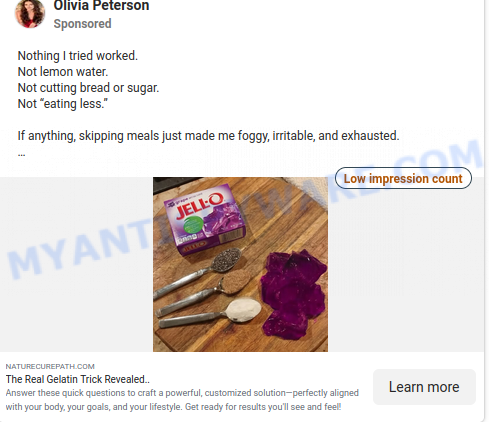
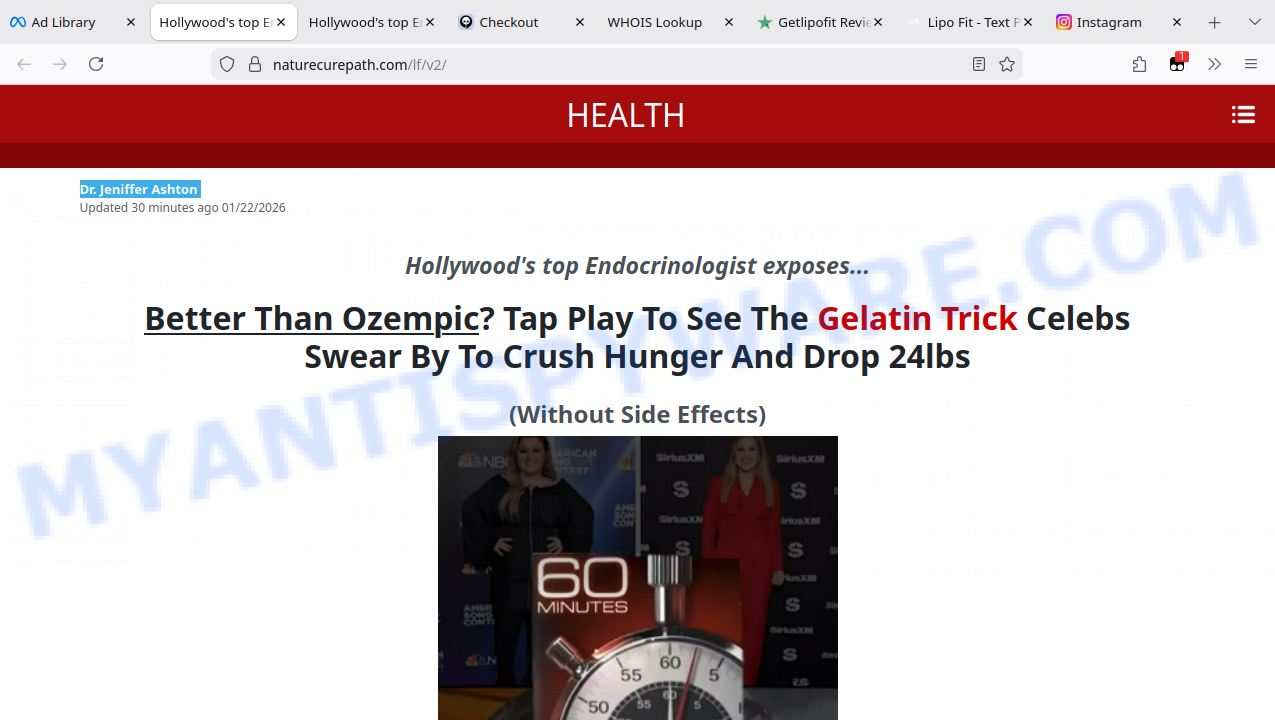
- 🌐 Fake Promotional Campaign: Social media ads, such as Facebook posts under fake names like Olivia Peterson, link to dubious sites like naturecurepath.com, presenting a forged “gelatin trick” story to lure consumers with false hope.
- ⭐ Fabricated Endorsements and Testimonials: The landing page flaunts fake author credentials (“Dr. Jennifer Ashton”) and mass-displayed comments that cannot be verified or interacted with, indicating manufactured user engagement.
- 🔒 Misleading Website Presentation: The site mimics legitimate news outlets by displaying logos of major media companies without permission or context, creating a false impression of credibility and legitimate coverage.
- ⚠️ False Health Claims: Claims that a simple gelatin-based morning mix can “turn on” metabolism, crush hunger, and cause significant weight loss without diet or exercise have no scientific validation and are part of a fabricated narrative.
- 📉 Deceptive Video Content: The embedded long-form video uses pacing tricks to hold viewer attention and tease a “secret” remedy that is never meaningfully revealed; instead, it pushes viewers toward purchasing LipoFit supplements.
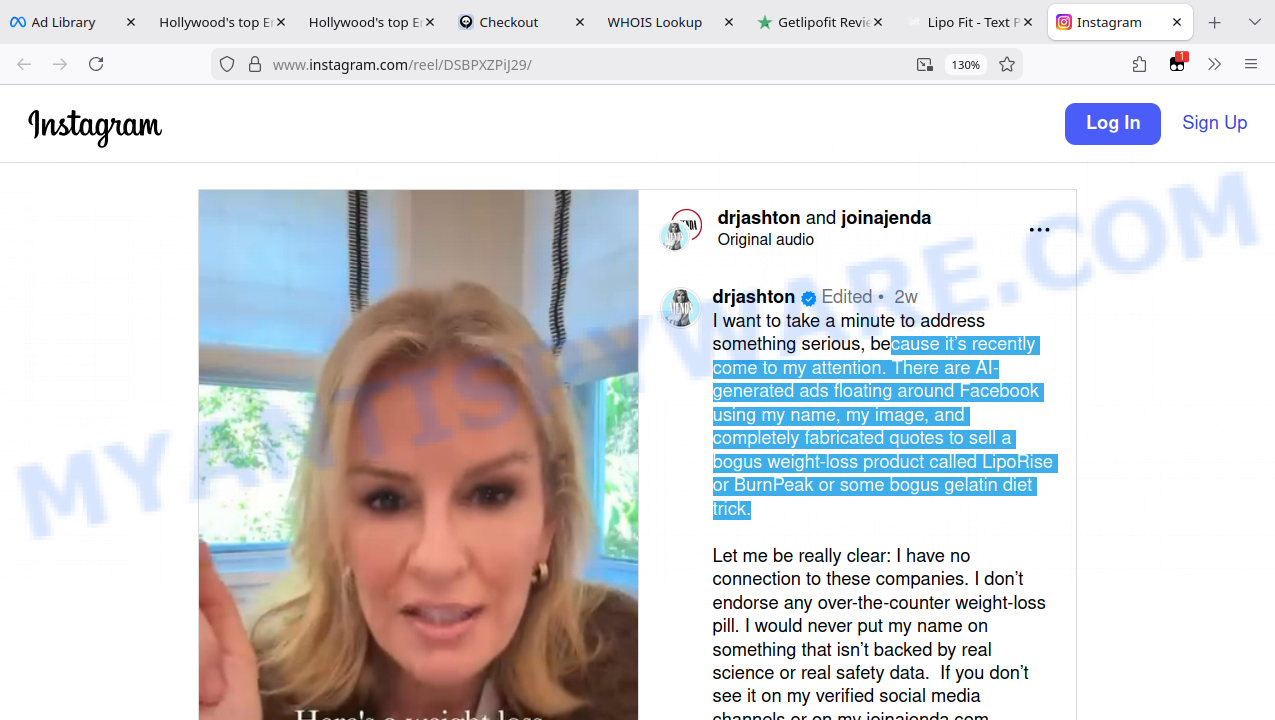
- 👤 Unauthorized Use of Medical Professionals’ Identities: Dr. Jennifer Ashton’s name and image are exploited without consent; she has publicly denied any affiliation with LipoFit or the “gelatin trick” ads.
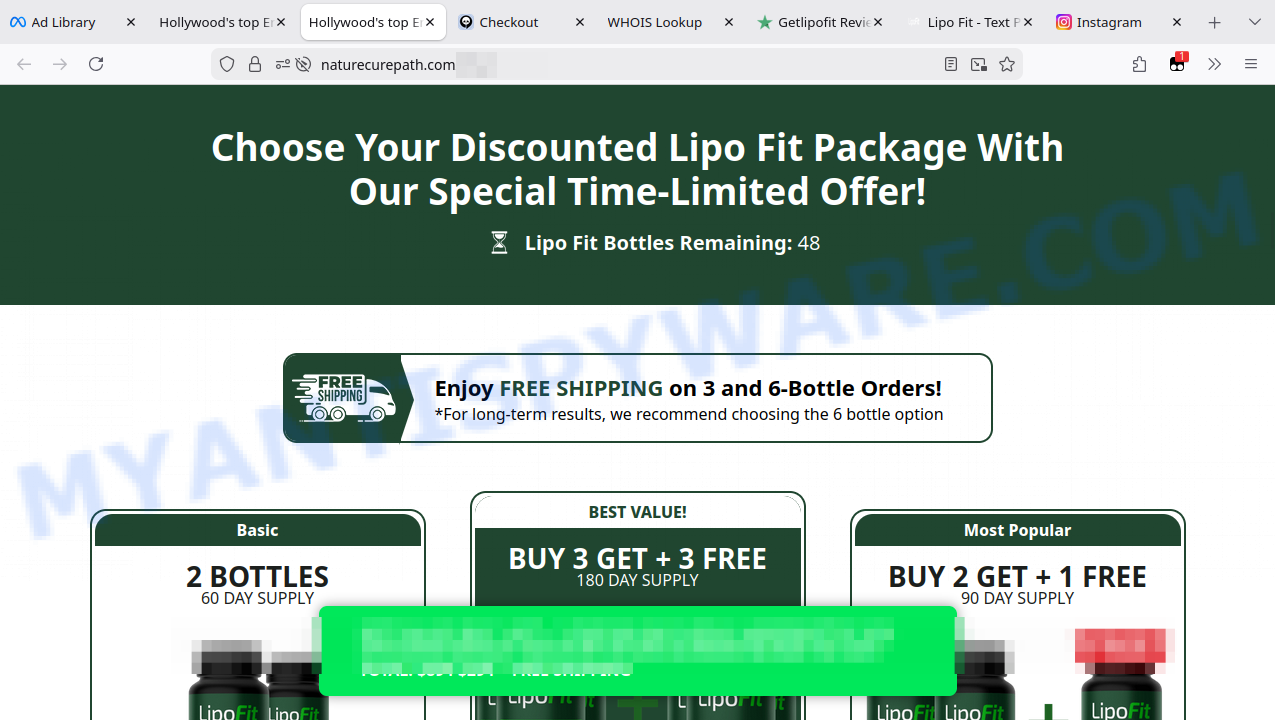
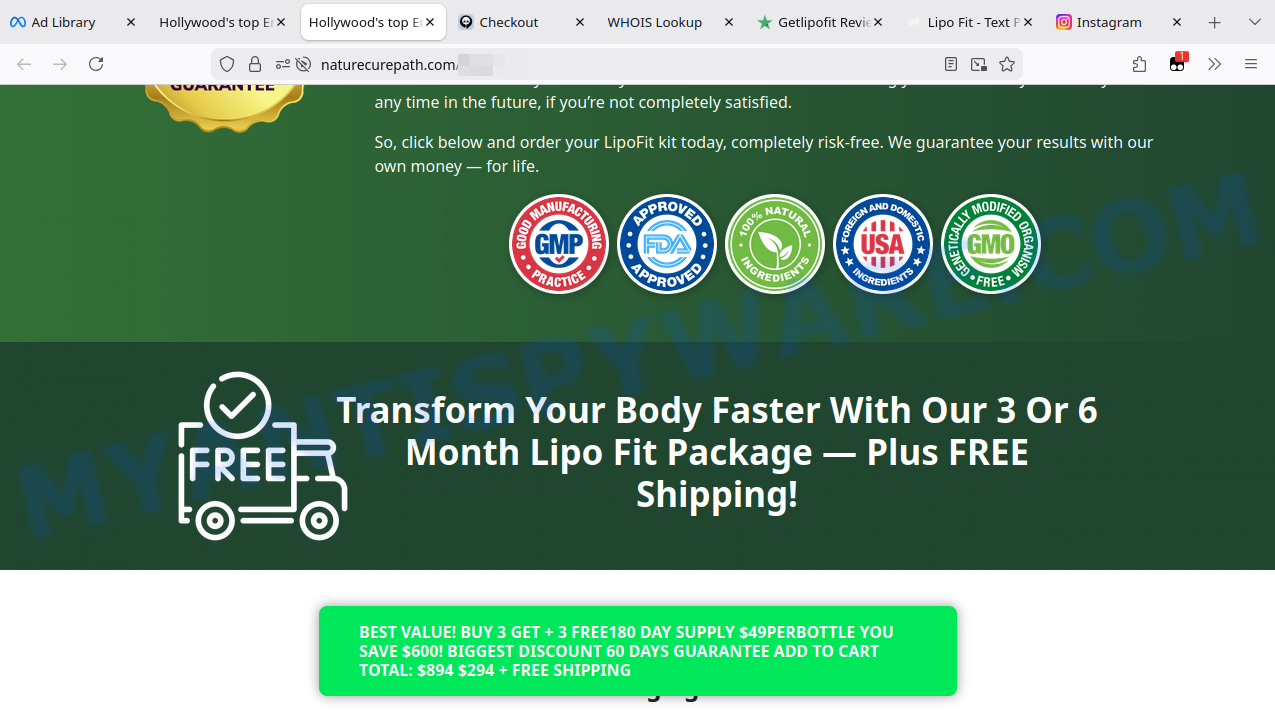
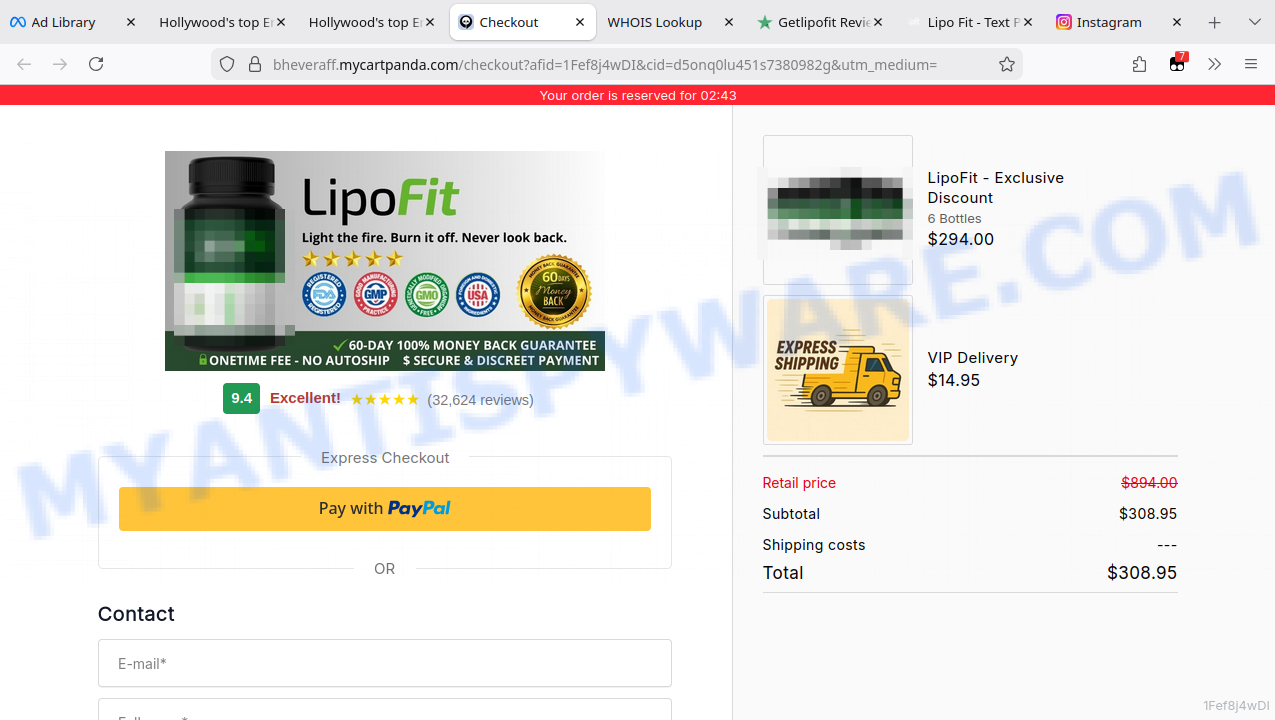
- 🔗 Suspicious Sales and Checkout Process: The sales funnel uses pressure tactics with scarce inventory counters, limited-time discounts, and product badges (e.g., “FDA Approved,” “GMP Certified”) displayed only as images without verifiable certifications. The checkout operates via obscure mycartpanda subdomains, raising concerns about security and legitimacy.
In summary, LipoFit’s marketing heavily relies on fabricated stories, fake expert endorsements, unverifiable testimonials, and misleading visuals to trick consumers into purchasing a supplement with unproven efficacy. The absence of genuine certifications, the use of staged video tactics, and the exploitation of reputable professionals’ names firmly categorize LipoFit as a high-risk scam. Consumers are strongly advised to avoid LipoFit and to consult qualified healthcare providers for safe and evidence-based weight loss options.
🕵️♂️ How LipoFit and the “Gelatin Trick” Scam Operate
🚨 This campaign falsely promotes a so-called “gelatin trick” that supposedly burns fat rapidly, but it’s just a ploy to sell overpriced dietary supplements with no proven benefits. 🔗 Step-by-Step Breakdown of the Scam:
📱 Crafting Fake Social Media Ads
The scheme begins with social media posts—often Facebook ads credited to fabricated personas like “Olivia Peterson”—showing photos of gelatin desserts and kitchen utensils, paired with stories of failed diets and miraculous weight loss after discovering a “gelatin trick.” These ads lead users to a fake health article landing page to build credibility.
🌐 Creating Bogus Landing Pages
Sites like naturecurepath.com mimic legitimate health article layouts, displaying supposed journalists or medical experts (e.g., “Dr. Jennifer Ashton”) and featuring sensational headlines like “Better Than Ozempic? Tap Play To See The Gelatin Trick Celebs Swear By.” Despite the professional look, these pages are designed to push visitors toward buying LipoFit supplements rather than delivering any valuable health advice.
🎬 Using Manipulative Video Narratives
At the heart of the landing page is a long video claiming to unveil the “gelatin trick,” supposedly endorsed by celebrities and backed by science. The video first speeds along to keep viewers hooked, then slows to frustrate and encourage patience—but never actually reveals a workable gelatin remedy. Instead, by the end, it shifts into a sales pitch for LipoFit bottles.
📢 Displaying Fake Credibility Markers
The pages showcase logos of reputable media outlets—The New York Times, CBS, ABC, FOX, and CNN—without links or evidence, suggesting false endorsements. They also show fabricated Facebook-style comments and thousands of “likes” to create an illusion of popularity and trustworthiness.
💰 Aggressive and Misleading Product Offers
Once the video ends, visitors see time-sensitive offers with large discounts and bundled deals on LipoFit supplements. Price points like $79 per bottle or “Buy 3 Get 3 Free” packages create a sense of urgency. The product page includes fake certification badges (“GMP,” “FDA Approved,” “100% Natural”) that are only images without valid documentation.
💳 High-Risk Checkout Process
Purchasing occurs on third-party platforms such as mycartpanda subdomains, accepting payment methods like PayPal. The checkout process is quick and requests upfront payment, often adding hidden fees. Transparency is minimal, and the domain registration details reveal brand-new, privacy-masked owners—typical hallmarks of short-lived scam operations.
❌ False Endorsements by Medical Professionals
Although the landing page uses the name and photo of Dr. Jennifer Ashton to seem credible, she has publicly disavowed any connection to LipoFit or the gelatin trick campaign, explaining these are unauthorized AI-generated ads misusing her identity.
🚫 Lack of Genuine Customer Support and Guarantees
Refund guarantees are presented but rarely honored. Buyers often struggle to contact support, get refunds, or cancel orders. The fake product does not deliver promised benefits, leaving customers disappointed and out of pocket.
In summary, the LipoFit “gelatin trick” scam misleads users with fake expert endorsements, dramatic storytelling, and fake social proof to sell ineffective dietary supplements. Beware of slick marketing campaigns that promise easy weight loss with secret recipes but only aim to take your money without delivering results. Always research health claims carefully and avoid giving payment information to suspicious or unverifiable websites.
😱 What to Do If Scammed
If you find yourself ensnared by the LipoFit Scam, immediate action is crucial. Here’s what you should consider doing:
🛑 Stop Further Transactions
The first step is to halt any additional transactions that might be in process. Contact your bank or credit card provider and inform them that you’ve fallen victim to a scam. They can help by blocking the card or reversing any unauthorized transactions.
📞 Report the Fraud
File a report with your local police and provide all the available evidence, such as screenshots, emails, and website URLs. Additionally, report the scam to online portals like the Better Business Bureau (BBB) at www.bbb.org or the Federal Trade Commission (FTC) at reportfraud.ftc.gov. If you’re in another country, reach out to your national consumer protection agency.
💻 Take Screenshots
Before the scam website gets taken down or changes, make sure to capture screenshots of your transactions and communications. These can serve as evidence if you decide to pursue legal action.
⚖️ Consult Legal Advice
Speak to a legal advisor about your situation. While pursuing legal action may be time-consuming and costly, it could be a possible avenue for recovering your lost money.
📢 Share Your Experience
Use social media platforms to share your experience and warn others about the scam. Your story could prevent someone else from falling victim to the same or similar scams.
Summary Table
| Factor | Observations | Impact on Legitimacy |
|---|---|---|
| Product Description | LipoFit is marketed as a weight-loss supplement linked to a “gelatin trick” that supposedly reduces hunger and speeds fat loss. The campaign uses a story about a gelatin mix but never actually shares a real recipe. Instead, it pushes the LipoFit product for sale. | Negative (False claims and undisclosed core method) |
| Advertising Method | Social media ads, especially on Facebook under a fake name, direct users to a website with a fake article styled as a health news story. The ads use catchy headlines and images to attract attention but lead to a sales pitch. | Negative (Misleading ads using false identities and fake article pages) |
| Landing Page Content | The landing page looks like a news article featuring a video and an author named “Dr. Jennifer Ashton,” claiming big weight-loss results and celebrity use. It uses logos of major news outlets without permission and shows fake comments styled as Facebook testimonials. | Negative (Fake expert endorsement, unauthorized media logos, and fabricated user comments) |
| Video Presentation | A long video imitates a news report, using fast progress bars and dramatic claims. It promises to show a simple gelatin trick but instead shifts focus to selling LipoFit supplements without revealing the supposed method. | Negative (Deceptive video content and no real helpful information) |
| Product Pricing and Offers | The page promotes limited-time deals, discounted multi-bottle packages, and badges claiming FDA approval, GMP certification, and natural ingredients. These badges are just pictures with no real proof. | Negative (Pressure sales tactics and false certification claims) |
| Payment and Checkout | Payment is processed on a third-party checkout site with options like PayPal. The product domain is very new and uses privacy protection, making it hard to verify who sells LipoFit. No reviews or BBB records support this seller. | Negative (Unverified seller and potential risk of payment fraud) |
| Use of Credibility Signals | The landing page misuses well-known media logos and the name/image of a real doctor who denies any connection to the product. The page shows many comments and testimonials that cannot be verified. | Negative (Misleading use of trusted names and fake feedback) |
| Consumer Risk | Customers who order risk not receiving products, facing problems with refunds, and allowing their payment data to be misused. The “guarantee” is not backed by clear, enforceable policies. | Negative (High risk of fraud and lost money) |
| Transparency | The site hides important details, uses fake testimonies, and fails to provide proof of claims or legitimate company information. The new domain and privacy protections add to the lack of transparency. | Negative (Poor transparency and suspicious website practices) |
Conclusion
The LipoFit supplement promoted with the “Dr. Jennifer Ashton Gelatin Trick” story is a scam that uses fabricated narratives, fake endorsements, and misleading marketing tactics to create a false sense of trust and urgency. The campaign relies on a fabricated “gelatin trick” tale and staged social media ads to bait potential customers, promising rapid weight loss without diet or exercise.
Instead of revealing any genuine weight-loss method, the campaign presents a long, slow-paced video filled with broad, unverifiable claims and anecdotal testimonials that do not provide any real “hack.” The promotion heavily leans on fake credibility signals—such as unauthorized use of Dr. Jennifer Ashton’s name and image, misleading media logos, and false certification badges like “FDA Approved” and “GMP Certified”—none of which have verifiable backing.
Bottom Line: Avoid purchasing LipoFit from this campaign. There is no legitimate “gelatin trick” as claimed, and the entire funnel is designed to capture your payment and personal data while delivering little to no genuine value. Verify any health or weight-loss product carefully, especially those with flashy marketing, fake endorsements, and staged social proof.





so happy that this product is a scam almost started to buy a couple bottles. thank you so much for letting me know!!!