Fuelify Card is a miraculous “energy saver” card that you place inside your car’s fuel door to dramatically boost gas mileage. This product is heavily pushed through slick social media ads and article-style pages that imitate trusted editorial sites. The key claim? A “negative-ion” technology that supposedly alters your fuel to save you money instantly. But these promises don’t hold up under scrutiny—they blatantly ignore the laws of physics, including energy conservation.
No scientific evidence supports the idea that a passive card emitting “negative ions” can alter fuel properties or improve mileage. The lengthy testimonial stories are just sales scripts, not proof. The product’s glowing review numbers and trust seals are fabricated marketing tools with no backing. The newly created, privacy-hidden website further signals this is not a reputable, established seller.
The Fuelify Card “Negative-Ion Fuel Hack” is a deceptive online promotion with no credible scientific support. Do not trust or buy this product. Real fuel efficiency improvements depend on proper vehicle maintenance and proven technology—not gimmicks violating fundamental physics.
💡 Heads-up: Similar Scams Are Everywhere. Fuelify Card is not unique. It is one of many fake supplements, gadgets, and other schemes we expose in our Fact Checks section. All of them aim to grab your personal data or money. The people behind these scams run slick websites, spread bogus promo codes, and even pose as trusted brands or experts. Below are a few recent scams that follow the same playbook as Fuelify Card: Gelatin Bariatric Protocol, Prozenith, Purelora Nano Microneedle Patch, Japanese Pink Salt Recipe, GLORENDA Moringa Patch.
Table of Contents
🚨 Is Fuelify Card a Scam?
Fuelify Card is aggressively marketed as a small “energy saver” card for your vehicle’s fuel door, claiming to improve fuel mileage through a mysterious “negative-ion fuel hack.” However, careful scrutiny reveals that these claims are unsupported by scientific evidence and that the product is promoted through suspicious online tactics common in scams targeting vehicle owners looking for easy savings.
Key Red Flags:
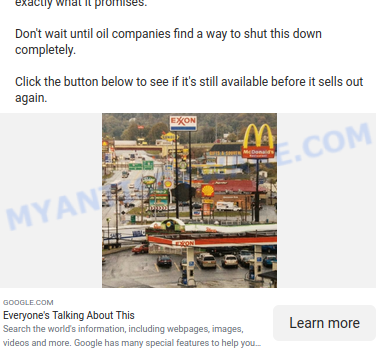
- 🌐 Misleading Social Media Ads: The Fuelify Card is promoted via social media posts featuring lengthy testimonial-style narratives that mimic personal stories but read more like scripted sales pitches. These ads show crowded gas stations and promise immediate fuel savings just by sticking a card inside your fuel door.
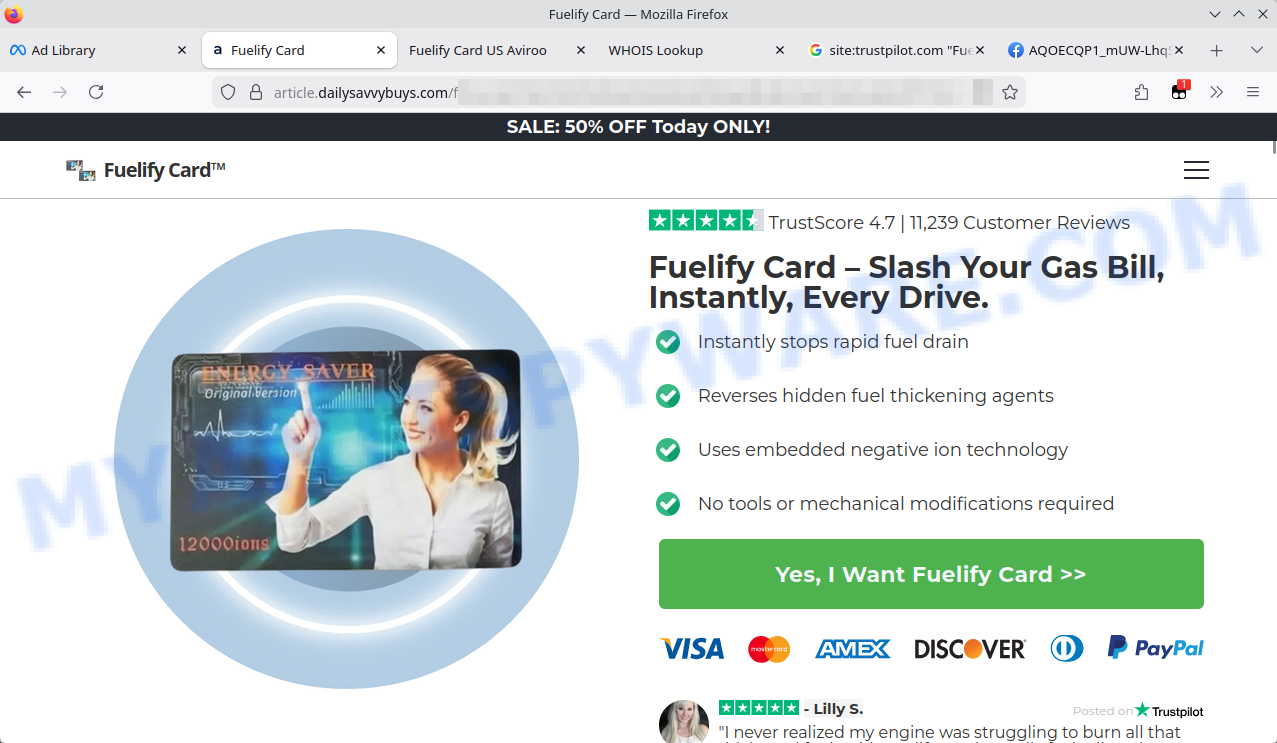
- ⭐ Unsubstantiated Testimonials and Reviews: The landing pages display numerous glowing customer reviews and a “TrustScore 4.7 | 11,239 Customer Reviews” badge that cannot be verified through independent review sites like Trustpilot, where searches for “Fuelify” return no results. These fabricated social proof elements mislead consumers about the product’s credibility.
- 🔒 Deceptive Website Setup: The official promotional sites use editorial-style article layouts hosted on recently registered, privacy-protected domains with suspicious WHOIS details, designed to appear trustworthy but lacking transparency. The checkout page is branded with “Aviroo Home Member®,” yet no reputable third-party merchant verifications are evident.
- ⚠️ Implausible Technical Claims: The product claims to use “negative-ion” technology to break up hidden fuel-thickening agents and thereby increase fuel efficiency—claims made without any verifiable scientific data, expert endorsements, or reproducible demonstrations. The purported mechanism defies basic principles of fuel chemistry.
- 📉 High-Pressure Sales Tactics: Fuelify Card sales pages emphasize limited-time “50% OFF” deals, countdown timers, and bulk purchase discounts, designed to rush buyers into impulsive decisions. Optional add-ons like extended warranties increase costs, and although a “180 Day Money-back Guarantee” is promoted, refunds may be difficult to obtain.
- 👤 Lack of Verifiable Endorsements: There are no credible endorsements from mechanics, engineers, automotive experts, or recognized media outlets. Any claims associating this product with well-known personalities or brands are unsubstantiated based on presented evidence.
In summary, Fuelify Card is a product promoted through deceptive marketing and unsupported technical claims. The absence of credible evidence, fake testimonials, suspicious website practices, and sales pressure tactics strongly suggest that it is part of a scam operation. Consumers are advised to avoid purchasing Fuelify Card and instead seek trusted, proven methods to improve vehicle fuel efficiency.
🕵️♂️ How Fuelify Card Scam Operates
Fuelify Card is a deceptive product marketed as an energy-saving “negative-ion” device for your vehicle’s fuel system. 🚨 It’s a type of fraud where a simple, ineffective card is sold with false promises of improving fuel mileage through pseudoscientific claims. 🔗 Step-by-Step Breakdown of the Scam:
🛒 Misleading Social Media Ads
The scam starts with ads on platforms like Facebook, YouTube, TikTok, and Instagram featuring long testimonial-style stories. These ads often show crowded gas stations and a “Learn More” button, claiming dramatic fuel savings by simply sticking the Fuelify Card inside your car’s fuel door.
🕸️ Fake Editorial-Style Landing Pages
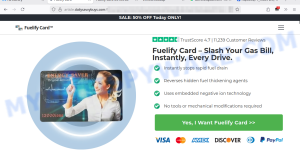
Clicking the ad leads to an article-like landing page (e.g., article.dailysavvybuys.com) that mimics trustworthy editorial content. The page shows sleek images of the Fuelify Card (“ENERGY SAVER Original Version 12000 ions”) with bold calls to action like “Yes, I Want Fuelify Card >>,” emphasizing instant mileage improvement without real proof.
📢 Absence of Scientific Evidence
Despite detailed narrative copy and testimonials, there’s a lack of genuine scientific data, independent studies, or expert endorsements. The promotion relies on persuasive storytelling rather than verifiable proof that the card affects fuel chemistry or engine performance.
💼 Fake Reviews and Trust Indicators
The site displays badges like “TrustScore 4.7 | 11,239 Customer Reviews” and claims thousands of happy buyers, but these are unverifiable. Third-party review platforms such as Trustpilot show no trace of these reviews, and the domain is newly created with privacy protection to hide ownership details—typical red flags for scams.
💸 Pressure Sales with Phantom Discounts
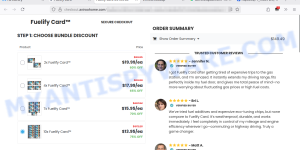
The scam uses countdown timers and “limited-time” discounts to create urgency. Customers are offered bundles at discounted rates (e.g., 2 for $19.99 each, 4 for $17.99, etc.) plus optional upsells like extended warranties. These tactics push buyers to make quick, often regrettable purchases.
🔁 No Legitimate Refunds or Support
Although the site promises a “180 Day Money-back Guarantee,” buyers report difficulty obtaining refunds or customer support. Contact emails and merchant details provided are often unresponsive or vague, making it nearly impossible to resolve issues.
📦 Delivering Worthless Product
Customers receiving the Fuelify Card get a simple, indistinct plastic card that offers no real benefit. It does not improve fuel efficiency or engine performance as advertised.
🚫 Misleading Legal and Safety Claims
The product is falsely marketed as safe, legal, and effective despite violating principles of chemistry and automotive engineering. The claim that “negative ions” break down fuel-thickening agents has no scientific basis.
In summary, the Fuelify Card 🚫 scam tricks consumers with pseudoscience, fake social proof, and high-pressure sales tactics to sell a useless device. Buyers end up wasting money on a product that doesn’t deliver the promised fuel savings and face frustrating refund and support experiences. Always perform thorough research and be skeptical of extraordinary claims lacking credible evidence before purchasing automotive tech products online.
😱 What to Do If Scammed
If you find yourself ensnared by the Fuelify Card Scam, immediate action is crucial. Here’s what you should consider doing:
🛑 Stop Further Transactions
The first step is to halt any additional transactions that might be in process. Contact your bank or credit card provider and inform them that you’ve fallen victim to a scam. They can help by blocking the card or reversing any unauthorized transactions.
📞 Report the Fraud
File a report with your local police and provide all the available evidence, such as screenshots, emails, and website URLs. Additionally, report the scam to online portals like the Better Business Bureau (BBB) at www.bbb.org or the Federal Trade Commission (FTC) at reportfraud.ftc.gov. If you’re in another country, reach out to your national consumer protection agency.
💻 Take Screenshots
Before the scam website gets taken down or changes, make sure to capture screenshots of your transactions and communications. These can serve as evidence if you decide to pursue legal action.
⚖️ Consult Legal Advice
Speak to a legal advisor about your situation. While pursuing legal action may be time-consuming and costly, it could be a possible avenue for recovering your lost money.
📢 Share Your Experience
Use social media platforms to share your experience and warn others about the scam. Your story could prevent someone else from falling victim to the same or similar scams.
Summary Table
| Factor | Observations | Impact on Legitimacy |
|---|---|---|
| Product Description | Fuelify Card is advertised as a small energy-saving card that you place inside your vehicle’s fuel door to improve gas mileage by breaking up fuel thickening agents using “negative ions.” The product claims instant fuel savings but offers no real scientific proof for these effects. | Negative (Unproven technical claims and unrealistic promises) |
| Marketing Approach | The marketing is based on social media ads featuring long testimonial stories from supposed users. These ads lead to a website designed to look like a news article promoting the Fuelify Card with pressure tactics like countdown timers and limited-time discounts. | Negative (Sales pressure and deceptive ad storytelling) |
| Evidence and Proof | There is no reliable scientific data, independent studies, or expert endorsements to support the product’s claims. The promotional pages rely on testimonials instead of verifiable facts or demonstrations. | Negative (Lack of credible evidence and expert support) |
| Reviews and Credibility | The website shows glowing customer reviews and a high TrustScore rating, but these are not found on real review sites like Trustpilot. The domain is newly registered with privacy protection, which raises concerns about authenticity. | Negative (Fake reviews and unclear company identity) |
| Pricing and Offers | The product is sold with heavy discounts and offers for buying in bundles. The site uses urgency messages like “50% OFF Today ONLY!” and has a complicated checkout with optional extra costs, all designed to rush buyers into a purchase. | Negative (Pressure selling tactics and misleading pricing) |
| Checkout Process | The payment happens on a separate website under a different brand. The checkout asks for personal and payment info but shows no independent merchant verification, which makes the purchase less secure. | Negative (Lack of trusted payment verification and transparency) |
| Refund and Guarantees | A 180-day money-back guarantee is claimed, but customers may find it difficult to actually get refunds. The promises on the site are typical marketing claims without proof of effective consumer protection. | Negative (Unclear refund policy and poor buyer protection) |
| False Associations | The product falsely implies associations with well-known experts or media, but no real endorsements are shown. Any similar product names elsewhere are unrelated to this offer. | Negative (Deceptive use of false endorsements) |
| Consumer Risk | Buying this product risks losing money on a product that does not work as claimed, possible misuse of personal data, and difficulty obtaining refunds. The overall setup is typical of online scams that pressure consumers to buy quickly. | Negative (High risk of financial loss and personal data misuse) |
Conclusion
The Fuelify Card “Negative-Ion Fuel Hack” is a complete scam that violates fundamental laws of physics including the law of conservation of energy, making it physically impossible for the product to deliver the promised results. The product is falsely advertised through fabricated testimonials, deceptive marketing language, and unsubstantiated claims about “negative ions” improving fuel efficiency by breaking down fuel-thickening agents inside your gas tank.
Instead of genuine technology or scientific validation, the Fuelify Card relies on a slick online funnel with social media ads, misleading editorial-style landing pages, and pressure sales tactics such as countdown timers and bundle discounts to rush consumers into buying. All “reviews” and “TrustScore” ratings shown are fake or unverifiable, and there is no credible evidence to support the product’s effectiveness. The recent domain registration with privacy protection further indicates this is a short-lived operation designed to take your money and disappear.
Bottom Line: Avoid the Fuelify Card at all costs. No passive “energy saver” card can physically alter fuel chemistry or improve mileage. Always be skeptical of any product promising miracle fuel savings without reputable scientific data or independent testing. Protect your money by steering clear of scams that use false endorsements, fake reviews, and pseudo-scientific jargon to exploit consumers. If something sounds too good to be true and breaks basic scientific principles, it is almost certainly a fraud.