Memo Genesis is a miraculous brain-health supplement promising to “reverse Alzheimer’s and restore your memory in just 28 days.” It’s sold through an elaborate online setup featuring fake news-style pages, celebrity photos, and purported expert endorsements—including fraudulent claims involving Dr. Sanjay Gupta, Elon Musk, and Oprah Winfrey. The product’s core pitch revolves around a “Himalayan Honey” remedy that allegedly clears brain toxins and delivers rapid mental clarity, yet none of these bold promises are backed by credible scientific evidence or verifiable studies.
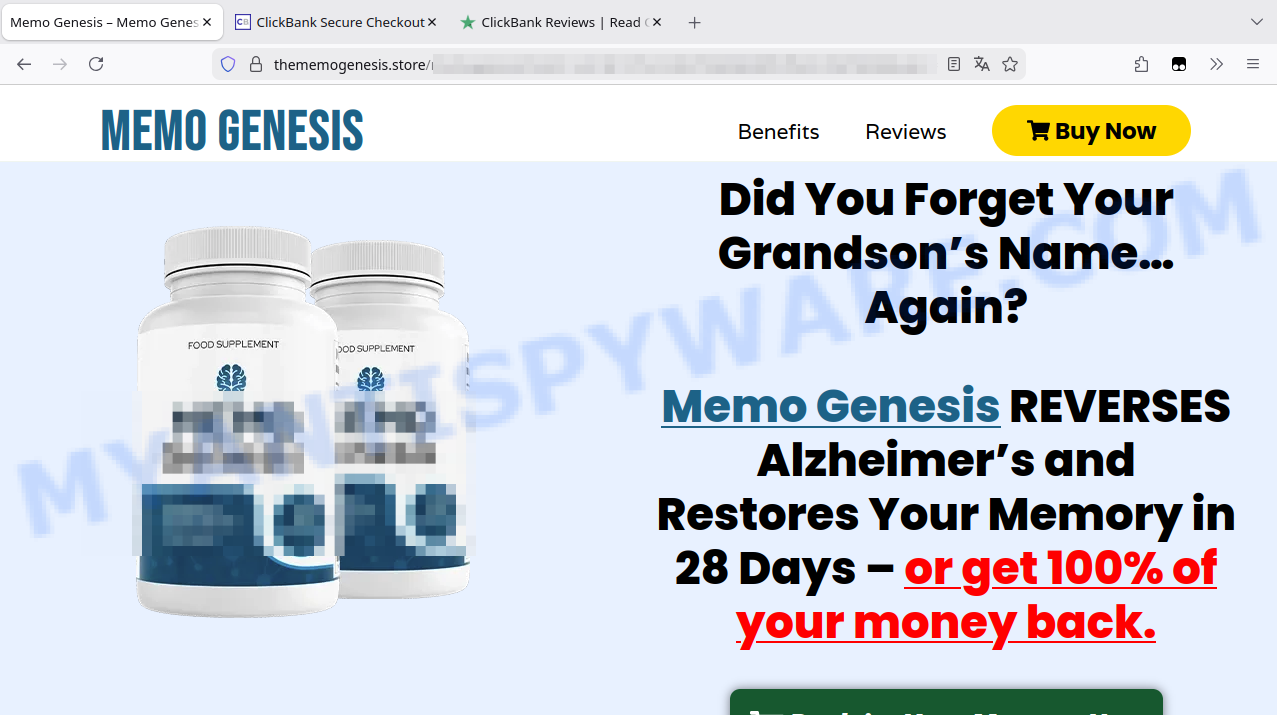
Behind the slick presentation and urgent sales tactics—discounts, countdown timers, and “limited stock” warnings—lies a pattern of deception common to scam supplements. The landing page is loaded with misleading badges like “FDA Approved,” “GMP Certified,” and “BBB Accredited,” none of which can be substantiated. Reviews and customer reports on third-party sites reveal refund difficulties and concerns about refund delays and legitimacy. In truth, Memo Genesis is less about brain health and more about exploiting hope with fake endorsements and pseudoscientific jargon. Before you buy into the hype, know that real cognitive care requires trusted medical advice—not glossy marketing cloaked in false credibility.
💡 Heads-up: Similar Scams Are Everywhere. Memo Genesis is not unique. It is one of many fake supplements, gadgets, and other schemes we expose in our Fact Checks section. All of them aim to grab your personal data or money. The people behind these scams run slick websites, spread bogus promo codes, and even pose as trusted brands or experts. Below are a few recent scams that follow the same playbook as Memo Genesis: Vittaburn Drops, Clara Hart Minnesota, Mobile AI Monopoly, HTC NE20 Bluetooth 5.4 Earphones, EarnWithGod.
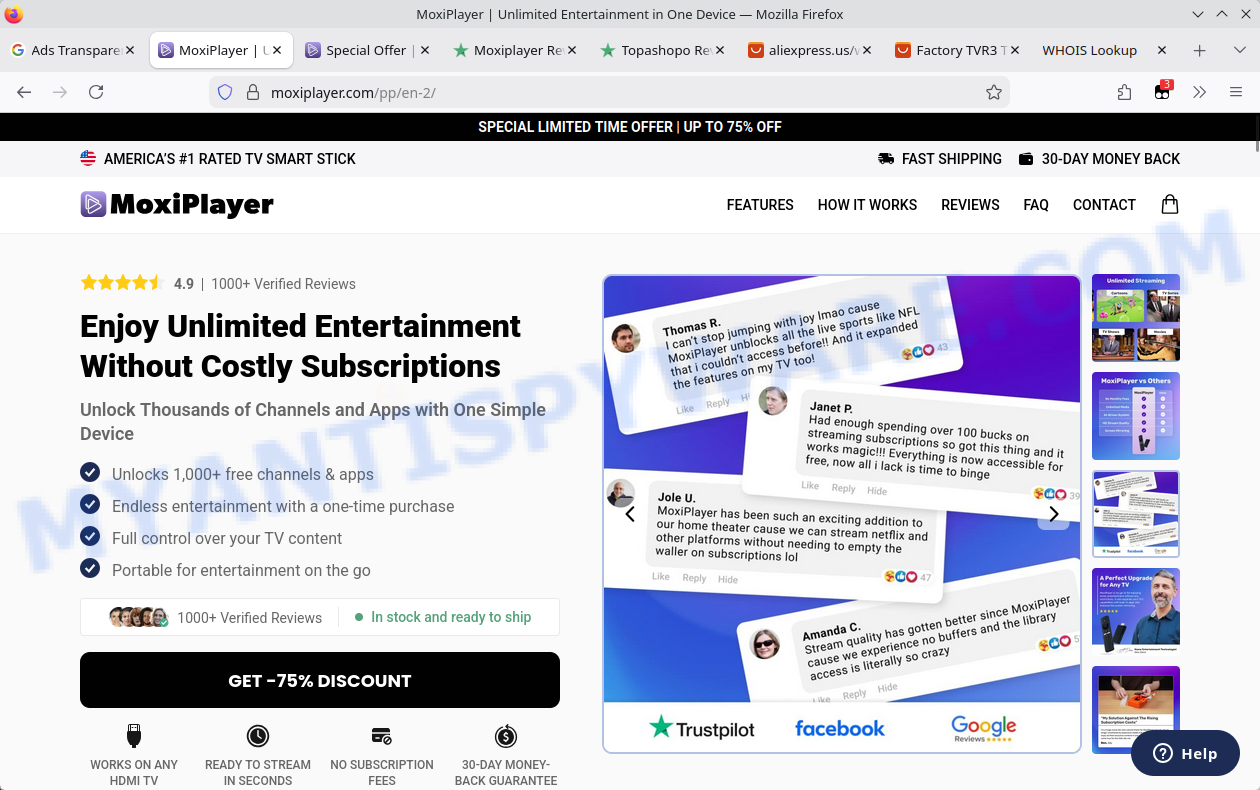
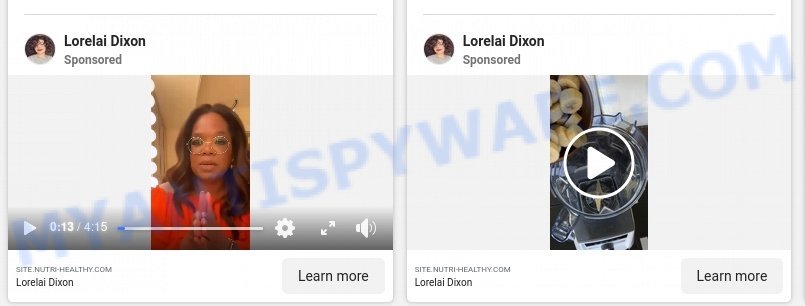
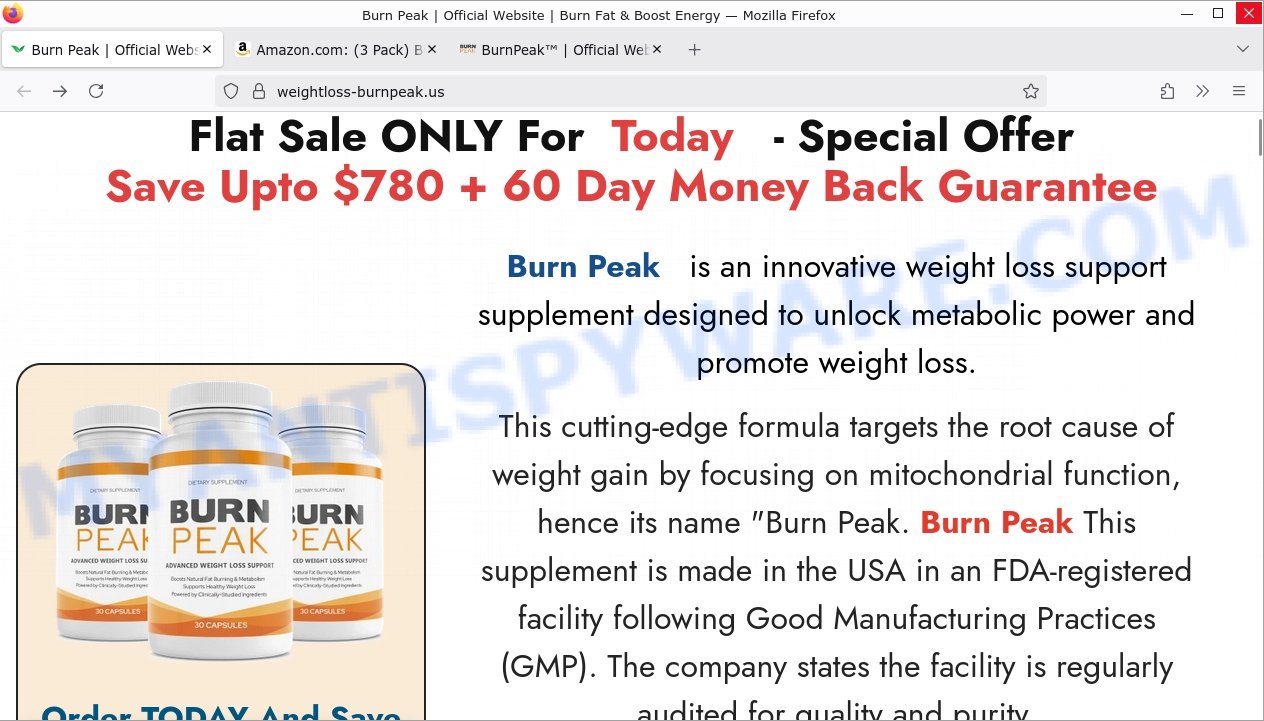
Table of Contents
🚨 Is Memo Genesis a Scam?
Memo Genesis is aggressively marketed as a dietary brain-health supplement that supposedly “reverses Alzheimer’s and restores your memory in 28 days” using a mysterious “Himalayan Honey” formula and other so-called clinically studied ingredients. However, the promotion relies heavily on misleading tactics designed to deceive consumers seeking quick cognitive fixes without any real scientific backing.
Key Red Flags:
- 🌐 Misleading Advertising and Paid Ads: Memo Genesis is promoted through social media ads and long, news-like sales pages mimicking legitimate health news, using sensational headlines such as “Did You Forget Your Grandson’s Name… Again?” to prey on emotionally vulnerable individuals.
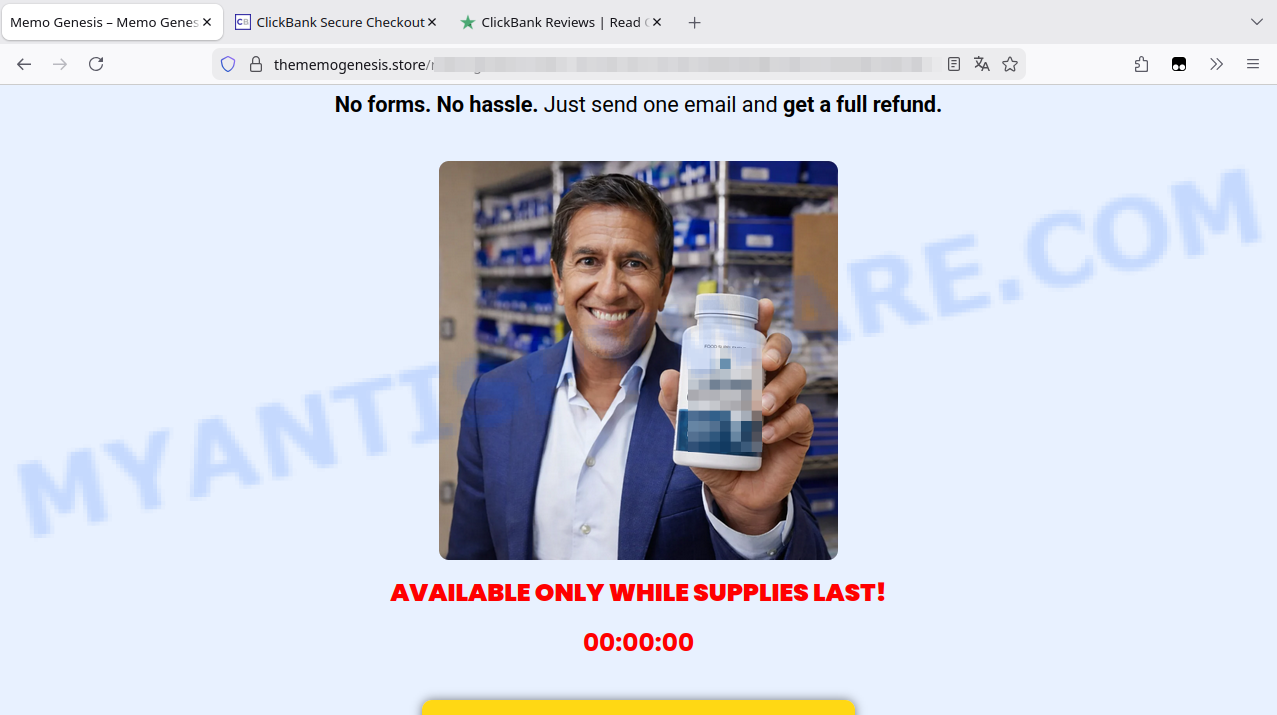
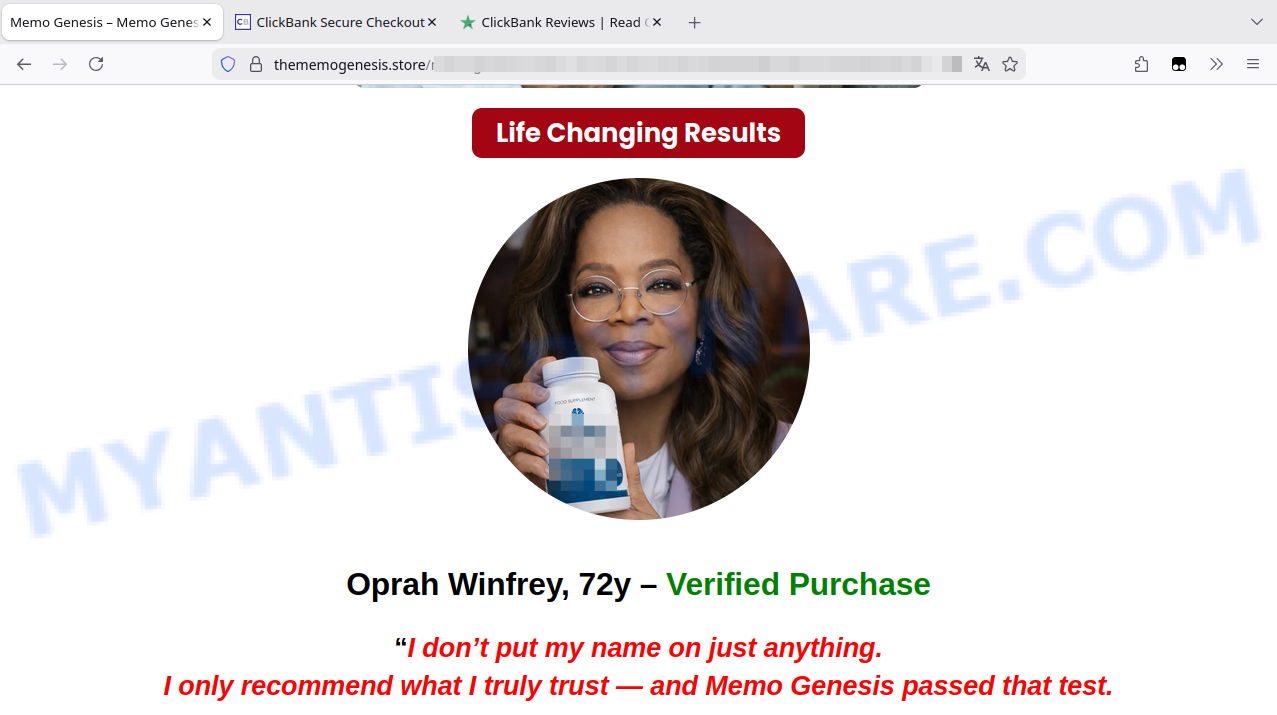
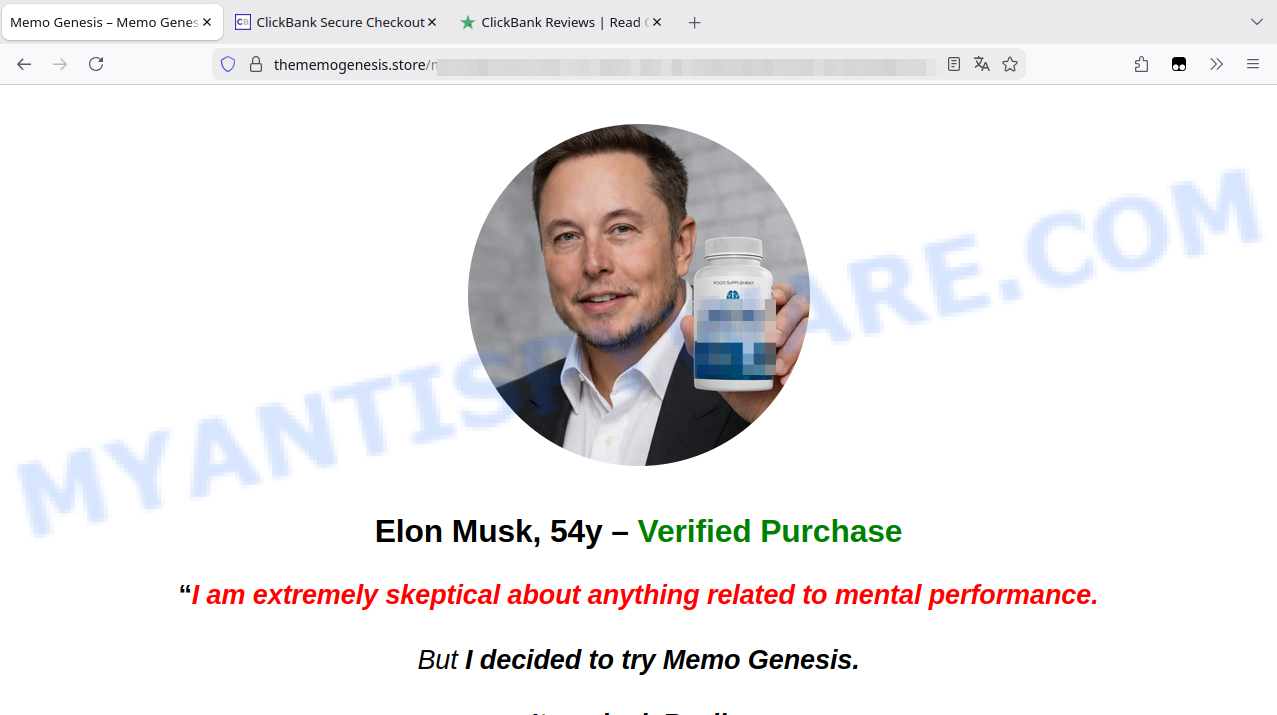
- ⭐ Fake Celebrity Endorsements and Testimonials: The sales page falsely features images and “verified purchase” claims from well-known figures like Dr. Sanjay Gupta, Oprah Winfrey, and Elon Musk, none of whom have any connection to Memo Genesis. These endorsements are unverified and likely fabricated.
- 🔒 Lack of Verifiable Scientific Evidence: Despite references to “Harvard researchers” and “clinically studied” ingredients, the website fails to provide any credible links to peer-reviewed studies, clinical trials, or institutional validations supporting its claims.
- ⚠️ Exaggerated and Unrealistic Claims: Promises that Memo Genesis can reverse Alzheimer’s disease and restore memory within 28 days are medically unfounded and dangerously misleading.
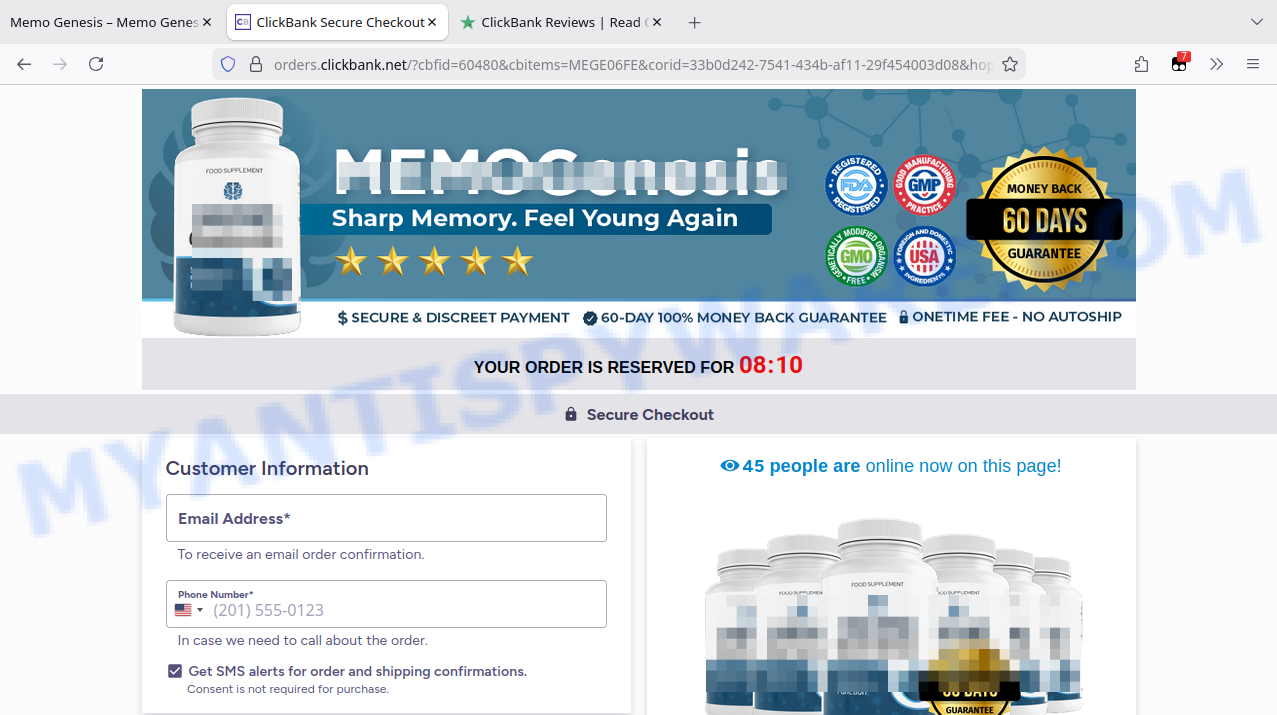
- 📉 Poor Website and Checkout Practices: The sales funnel directs customers to a ClickBank checkout with aggressive pricing tactics, including countdown timers, limited stock warnings, and steep discounts meant to rush purchases without allowing time for informed decisions.
- 👤 Misuse of Credibility Badges: The site displays badges like “FDA Approved,” “GMP Certified,” and “60-Day Money Back Guarantee” without presenting any official documentation or registration numbers, misleading consumers about the product’s legitimacy.
- 🔗 Risk of Financial Loss and Privacy Issues: Customers report difficulties obtaining refunds, and submitting payment details through this funnel may expose them to unauthorized charges or marketing spam.
In summary, Memo Genesis exhibits all hallmarks of a scam designed to exploit those desperate for memory improvement solutions. The use of fake endorsements, unsubstantiated health claims, deceptive marketing tactics, and high-pressure sales strategies highlight that this product is not a trustworthy or safe option. It is strongly advised to avoid Memo Genesis and consult qualified healthcare professionals for legitimate cognitive health treatments and advice.
🕵️♂️ How the Himalayan Honey Scam Operates
🚨 It falsely claims to reverse Alzheimer’s and improve memory rapidly using a so‑called “Himalayan Honey” formula, but there’s no credible evidence supporting these promises. 🔗 Step-by-Step Breakdown of the Scam:
🛒 Promoting a Fake Miracle Supplement
The scammers market Memo Genesis as a powerful brain health capsule that can “restore your memory in 28 days” by clearing brain toxins with a secret Himalayan honey blend and “clinically studied” ingredients. However, these claims are unsubstantiated and misleading.
🕸️ Creating Deceptive Sales Pages
They use long, professionally designed sales websites (like thememogenesis.store) formatted like health news stories to trick visitors. These pages are filled with fake news clips, celebrity photos, and fabricated expert quotes from figures such as Dr. Sanjay Gupta, Oprah Winfrey, and Elon Musk to imply legitimacy.
📢 Aggressive Paid Advertising
Memo Genesis is heavily promoted through paid ads on social media platforms, which use emotionally charged headlines like “Did You Forget Your Grandson’s Name… Again?” to create urgency and fear. The ads funnel victims to the scam website pushing immediate purchases.
💼 Fake Endorsements and Scientific Claims
The sales pages bombard visitors with false credibility markers: fabricated endorsements from celebrities and doctors, bogus references to Harvard research, and claims of “clinically studied ingredients.” None are linked to verifiable scientific proof or real medical studies.
💸 High-Pressure Sales Tactics and Fake Discounts
Buyers encounter aggressive limited-time offers, countdown timers, and deeply discounted bundle deals to pressure quick purchases. Claimed “normal prices” and “percentage off” savings are artificially inflated to create a false sense of value.
🌟 Fabricated Customer Reviews and Testimonies
The website features overly glowing testimonials and “verified purchase” labels that are likely fake. These reviews describe dramatic memory improvements but have no proof or authentic user identities.
⚖️ Misleading Legal and Safety Claims
Scam pages display seals like “FDA Approved,” “GMP Certified,” or “60-Day Money Back Guarantee” without legitimate certification documentation. These badges are used to lull buyers into a false sense of compliance and trustworthiness.
🛍️ Checkout on Third-Party Platforms
Purchases are routed through ClickBank’s payment system, offering PayPal and credit card options. The checkout uses more urgency cues and claims exclusive authenticity to discourage buyers from shopping elsewhere or verifying the product independently.
In summary, the scam deceives consumers by marketing a regular dietary supplement as a miraculous brain health cure. It uses fake news-style websites, false celebrity endorsements, bogus scientific claims, and high-pressure sales tactics to drive purchases. Buyers usually end up with an ineffective product and poor customer service. Always approach such health claims with skepticism and seek advice from qualified medical professionals before buying any cognitive enhancement supplements online.
🤔 Why Such Scams Are Possible
Quick Money Goal
The people behind Memo Genesis want to make money fast by making big promises that aren’t proven. They claim it can reverse Alzheimer’s and improve memory in just 28 days using “Himalayan honey” and other special ingredients. These claims are not backed by real proof but are made to attract customers quickly using fake testimonials and misleading images.
Ad Platforms Can’t Catch All Scams
Even though social media sites and ad platforms try to stop fake ads, many still slip through. This allows scams to reach people searching for easy ways to improve their brain health. The ads look like real news stories and use celebrity pictures to seem trustworthy.
🧠 Taking Advantage of Hope and Fear
The scammers know many people want a quick fix for memory problems or Alzheimer’s. By promising dramatic results with just one daily pill, they play on people’s hopes and worries. This makes consumers ignore warning signs and buy without checking if the product really works.
⚖️ Fake Claims and No Real Proof
This scam uses fake news clips, made-up celebrity endorsements, and false claims about research from Harvard or famous doctors like Dr. Sanjay Gupta. They display badges like “FDA Approved” and “GMP Certified” without showing real certificates. This makes it hard to hold anyone responsible because the truth is hidden behind confusing fake information.
💰 High-Pressure Sales Tactics and Risks
They use countdown timers, limited stock warnings, and special discounts to rush people into buying. Customers who order may have trouble getting refunds even though a “money-back guarantee” is shown. Personal and payment information collected during checkout might be misused.
🚫 No Real Connection to Celebrities or Trusted Sources
The product’s page shows pictures of well-known people like Oprah Winfrey, Elon Musk, and Dr. Sanjay Gupta to build trust. But these people have no link to Memo Genesis, and no valid endorsements exist. Legitimate health experts and media do not support this product.
😱 What to Do If Scammed
If you find yourself ensnared by the Scam, immediate action is crucial. Here’s what you should consider doing:
🛑 Stop Further Transactions
The first step is to halt any additional transactions that might be in process. Contact your bank or credit card provider and inform them that you’ve fallen victim to a scam. They can help by blocking the card or reversing any unauthorized transactions.
📞 Report the Fraud
File a report with your local police and provide all the available evidence, such as screenshots, emails, and website URLs. Additionally, report the scam to online portals like the Better Business Bureau (BBB) at www.bbb.org or the Federal Trade Commission (FTC) at reportfraud.ftc.gov. If you’re in another country, reach out to your national consumer protection agency.
💻 Take Screenshots
Before the scam website gets taken down or changes, make sure to capture screenshots of your transactions and communications. These can serve as evidence if you decide to pursue legal action.
⚖️ Consult Legal Advice
Speak to a legal advisor about your situation. While pursuing legal action may be time-consuming and costly, it could be a possible avenue for recovering your lost money.
📢 Share Your Experience
Use social media platforms to share your experience and warn others about the scam. Your story could prevent someone else from falling victim to the same or similar scams.
Summary Table
| Factor | Observations | Impact on Legitimacy |
|---|---|---|
| Product Description | Memo Genesis is offered as a brain health supplement in capsule form that claims to reverse Alzheimer’s and restore memory in 28 days using a “Himalayan Honey” formula and other ingredients. The claims on the sales page are dramatic but lack any real scientific support or proof of effectiveness. | Negative (Unproven health claims with no credible evidence) |
| Sales Page and Marketing | The product is promoted through a long sales page designed like a news report with images of celebrities and experts, and includes fake news clips and testimonials. Countdown timers, limited stock warnings, and discounts create pressure to buy quickly. | Negative (Misleading marketing with fake credibility and high-pressure tactics) |
| Celebrity and Expert References | The page shows images and names like Dr. Sanjay Gupta, Oprah Winfrey, and Elon Musk, claiming verified purchases or endorsements. These references are unverified and appear to be used without permission to build false trust. | Negative (False endorsements and misleading credibility) |
| Scientific Claims | Mentions of Harvard researchers and “clinically studied” ingredients are made without links or proof. There is no peer-reviewed research or clinical data supporting the product’s abilities or safety. | Negative (No real scientific backing) |
| Checkout and Payment | Purchases are handled through ClickBank with typical payment methods and offer a “60-Day Money Back Guarantee.” However, customer reviews report difficulty getting refunds and warn of possible scams and delays. | Negative (Refund issues and risk of financial loss) |
| Safety and Transparency | The website hides important author and company information. It uses official-looking badges like FDA and GMP without proof. Customer data collected may be at risk if terms are not respected. | Negative (Lack of transparency and potential privacy risks) |
Conclusion
The Memo Genesis Himalayan Honey is a scam that uses misleading celebrity images, fake testimonials, and fabricated science to appear credible. The promotional site hinges on false claims that a “Himalayan Honey” formula can reverse Alzheimer’s disease and restore memory in just 28 days—a promise unsupported by any verifiable research or clinical evidence.
The scammers behind Memo Genesis deploy doctored news clips, unsubstantiated references to experts like Dr. Sanjay Gupta, and unauthorized use of celebrities such as Elon Musk and Oprah Winfrey to create a false impression of legitimacy. The website employs aggressive sales tactics, including countdown timers, fake “verified purchases,” and fake badges like “FDA Approved” and “GMP Certified” to instill urgency and trust.
Bottom Line: Avoid Memo Genesis. The product’s miraculous claims are baseless, and purchasing exposes consumers to financial risk, difficulties obtaining refunds, and potential misuse of personal data. Always be skeptical of supplements making grand Alzheimer’s reversal promises without credible scientific backing, especially when their marketing relies on fake endorsements and manipulative sales tricks. Do your research and consult licensed healthcare professionals before considering such products.