MindBoost is a brain-boosting supplement aggressively pushed through a deceptive online marketing scam centered around a fake “honey trick” cure for memory loss and Alzheimer’s. The scheme kicks off with a sensational social media video falsely linking Bill Gates, Dr. Gupta, and major media giants like CNN and HBO to a miracle two-ingredient honey recipe that supposedly restores memory instantly. It’s a classic bait-and-switch: shock viewers with urgent, fear-mongering claims, mix in fake endorsements and dozens of fabricated testimonials, then funnel them straight to MindBoost’s pricey supplement sales page.
Beneath the slick presentation, the whole setup unravels. The “news site” cnnhealth.store is a sham, crafted to mimic credible outlets but packed with fake logos and bogus comments designed to build false trust. No real clinical proof exists that the honey mix has any benefit, and the product itself isn’t FDA-approved or clinically validated despite the guarantees plastered on the sales page. Buyers risk wasting hundreds of dollars on an ineffective pill, facing refund headaches and potential misuse of their payment info. In short: MindBoost “Honey Trick” is a textbook scam wrapped in religious hype and celebrity name-dropping to exploit vulnerable consumers desperate for a mental edge. Stay skeptical, and steer clear.
💡 Heads-up: Similar Scams Are Everywhere. MindBoost is not unique. It is one of many fake supplements, gadgets, and other schemes we expose in our Fact Checks section. All of them aim to grab your personal data or money. The people behind these scams run slick websites, spread bogus promo codes, and even pose as trusted brands or experts. Below are a few recent scams that follow the same playbook as MindBoost: Jelly Burn, Surgonix Microneedle Patch, Neuro Mind Pro, HaloClear Glasses, GetDumbMoney.com.
Table of Contents
🚨 Is MindBoost a Scam? Bill Gates & Dr. Gupta “Honey Trick” Exposed
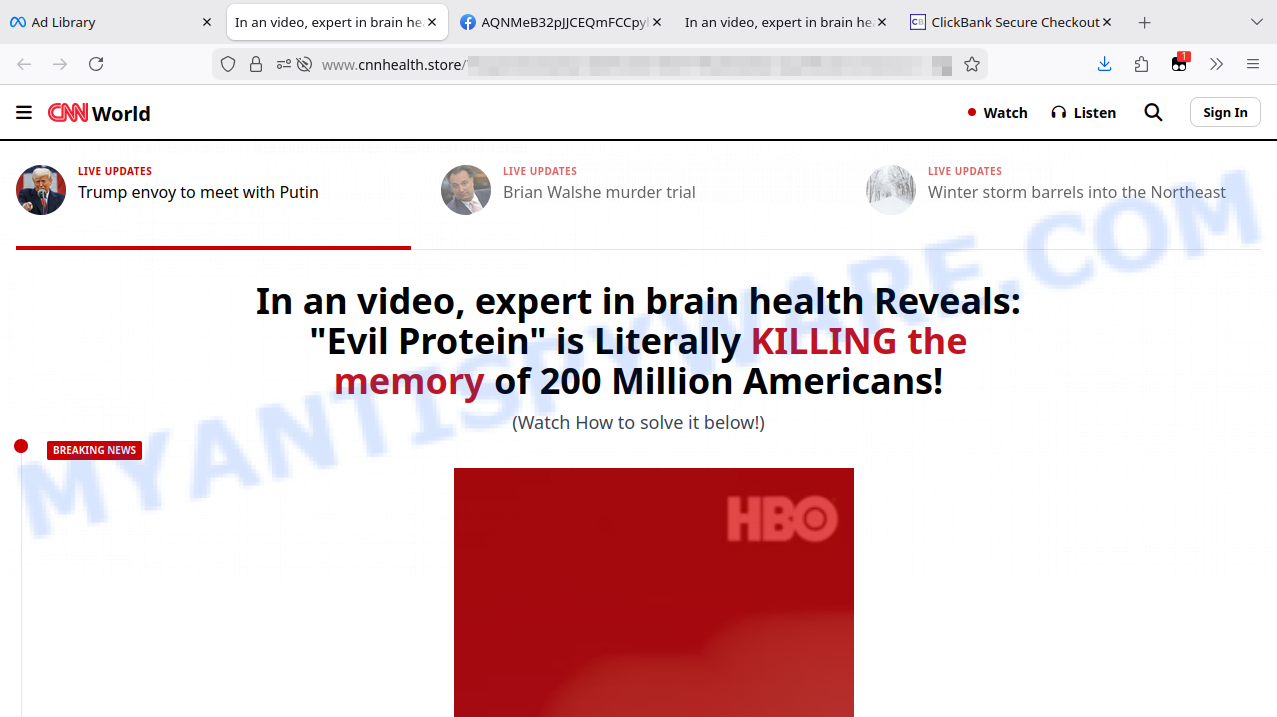
MindBoost is promoted as a dietary supplement designed to boost brain health, improve focus, memory, and mental clarity. However, this product is part of a deceptive online marketing scam that starts with a sensational social media video and funnels viewers to a misleading sales page hosted on the suspicious domain cnnhealth.store. The scam hinges on a fake “honey trick” recipe, falsely claimed to cure memory loss and Alzheimer’s disease, but it does not deliver any real medical benefits.
Key Red Flags:
- 🎥 Fake Social Media Ads: The campaign uses emotional and urgent video ads depicting a dramatic “honey trick” that supposedly restores lost memories in seconds. These videos invoke God, Jesus, and claim endorsements from celebrities and tech leaders like Bill Gates, none of which can be verified.
- 📰 Bogus “News” Landing Page: The website cnnhealth.store mimics legitimate news outlets with fake headlines and embedded videos carrying false watermarks (e.g., HBO). It also displays logos of major media outlets such as CNN, The New York Times, CBS, ABC, and FOX without any authentic connections.
- 💬 Manufactured Engagement: The highly active comments section is fabricated, featuring fake names and positive testimonials praising both the video and the “honey trick,” creating an illusion of credibility and social proof.
- ❌ False Medical Claims: The product pitches that MindBoost’s supplement or the honey recipe can “cure Alzheimer’s,” “remove evil proteins killing memory,” or “replace drugs like Aricept,” with zero scientific backing or FDA approval.
- 💰 High-Pressure Sales Tactics: After the hype, visitors are pushed to buy MindBoost supplements in multi-bottle packages with exaggerated scarcity (“only 48 bottles left”), free shipping incentives, and upsells for VIP delivery, all designed to rush purchases.
- 📉 Contradictory Reviews and Ratings: Although the sales page claims a stellar “9.3 Excellent” rating based on thousands of reviews, independent platforms like Trustpilot show mediocre ratings (2.7 stars) with many complaints describing false advertising and refund difficulties.
- ❗ Unverified Product Certifications: The website displays badges such as “FDA Approved,” “GMP Certified,” “100% Natural Ingredients,” and “GMO Free”—but these claims are only presented as images without real certificates or third-party verification.
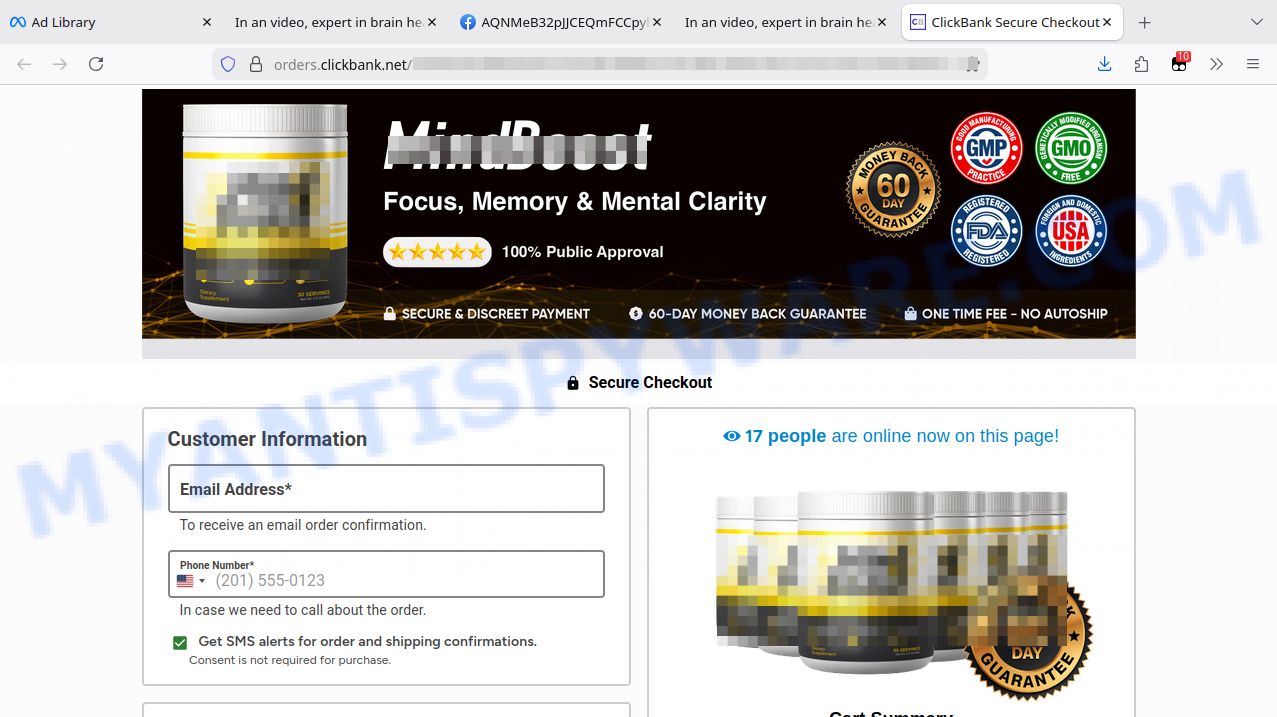
- 🔒 Risk to Consumers: Buyers risk getting a low-quality product with no real benefit and may encounter problems obtaining refunds. The checkout requires payment details on a ClickBank platform, but secure payments and money-back promises have proven unreliable here.
In summary, MindBoost, the so-called “honey trick,” and the entire marketing campaign around this product are built on false claims, fake endorsements, and manipulative sales tactics. There is no credible evidence that the supplement or the honey recipe cures memory loss or Alzheimer’s disease. The use of fake news formats, forged testimonials, and unverified media logos all point to a scam aimed at profiting from vulnerable consumers. It is strongly advised to avoid MindBoost and seek professional medical advice for cognitive health concerns.
🕵️♂️ How the Scam Operates
🚨 It’s a deceptive marketing scheme that uses fake celebrity endorsements and bogus medical claims to sell an ineffective dietary supplement. 🔗 Step-by-Step Breakdown of the Scam:

🛒 Promoting a Dubious Product
The scammers heavily promote MindBoost as a breakthrough natural supplement that enhances focus, memory, and mental clarity. However, the product itself is unproven and lacks credible scientific backing or FDA approval.
🕸️ Creating Fake News Landing Pages
They set up fraudulent, professional-looking websites like cnnhealth.store that imitate legitimate news outlets. These pages mimic news articles with sensational headlines, fake embedded videos, and use logos of reputable media channels such as CNN, HBO, and The New York Times, none of which actually endorse the product.
📢 Using Viral Video Ads with False Claims
The scam uses emotional social media video ads featuring a fake “honey trick” recipe purported to cure memory loss and Alzheimer’s disease instantly. These videos falsely claim endorsements from Bill Gates and Dr. Gupta, plus suggest that doctors prescribing conventional medicines will be arrested soon — all to create urgency and fear.
💼 Fabricating Medical and Celebrity Endorsements
The videos and landing pages falsely attribute miraculous results from the “honey trick” to well-known figures and frame dementia as a spiritual curse, blending religious rhetoric with pseudo-medical claims to manipulate viewers’ emotions and trust.
💸 Luring Customers with Scarcity and Discounts
The sales pages display limited stock warnings (“MindBoost Bottles Remaining: 48”) and offer multiple package deals with “free shipping” on bulk orders, pressing buyers to purchase quickly before the “offer runs out.”
🌟 Featuring Fake Reviews and Testimonials
The scam sites contain thousands of fabricated comments and glowing reviews from supposed customers, praising MindBoost’s effectiveness and urging others to buy, while in reality, these are entirely made up.
⚖️ Misusing Trust Seals and Guarantees
MindBoost’s sales pages show badges like “FDA Approved,” “GMP Certified,” “100% Natural,” and a “60-Day Money Back Guarantee,” but these are not backed by any legitimate certifications or verifiable guarantees.
🛍️ Simplified Purchase Funnel with Risky Payment Methods
Checkout is handled through third-party payment processors like ClickBank, offering “secure” PayPal and credit card transactions. Nonetheless, buyers hand over sensitive payment info with no real buyer protections or transparent refund policies.
🔁 Failing to Honor Refunds
Though the site promises generous money-back guarantees, customers repeatedly report no response or outright refusal when requesting refunds, effectively trapping their money.
📦 Delivering Ineffective Product
Buyers do receive the MindBoost supplements, but they do not experience the wildly exaggerated benefits promised. The product is at best a generic vitamin pill with no proven effect on memory or brain health.
🚫 Ignoring Customer Support Requests
Once purchased, customer service is extremely limited or nonexistent. Email contacts often go unanswered or provide generic, unhelpful replies, preventing resolution of issues or refunds.
In summary, the MindBoost Honey Trick scam deceives vulnerable individuals into buying an unproven supplement by falsely advertising miraculous cognitive benefits, fabricating medical endorsements, and exploiting fake news-style marketing. This fraudulent operation leverages emotional manipulation, fake reviews, and bogus trust indicators to push sales. Victims typically receive a worthless product and face difficulties getting refunds or support. Always verify product claims independently and be wary of health supplements aggressively promoted through unverifiable “breaking news” pages or social media videos.
😱 What to Do If Scammed
If you find yourself ensnared by the MindBoost Scam, immediate action is crucial. Here’s what you should consider doing:
🛑 Stop Further Transactions
The first step is to halt any additional transactions that might be in process. Contact your bank or credit card provider and inform them that you’ve fallen victim to a scam. They can help by blocking the card or reversing any unauthorized transactions.
📞 Report the Fraud
File a report with your local police and provide all the available evidence, such as screenshots, emails, and website URLs. Additionally, report the scam to online portals like the Better Business Bureau (BBB) at www.bbb.org or the Federal Trade Commission (FTC) at reportfraud.ftc.gov. If you’re in another country, reach out to your national consumer protection agency.
💻 Take Screenshots
Before the scam website gets taken down or changes, make sure to capture screenshots of your transactions and communications. These can serve as evidence if you decide to pursue legal action.
⚖️ Consult Legal Advice
Speak to a legal advisor about your situation. While pursuing legal action may be time-consuming and costly, it could be a possible avenue for recovering your lost money.
📢 Share Your Experience
Use social media platforms to share your experience and warn others about the scam. Your story could prevent someone else from falling victim to the same or similar scams.
Summary Table
| Factor | Observations | Impact on Legitimacy |
|---|---|---|
| Product Description | MindBoost is advertised as a brain-health supplement aimed at improving focus, memory, and mental clarity. It is promoted with a fake story about a “honey trick” recipe that supposedly cures memory loss and Alzheimer’s disease. This claim is false and not supported by any medical evidence. | Negative (False health claims and deceptive product marketing) |
| Advertising & Marketing | The product is promoted through social media videos and a fake news-style website (cnnhealth.store) that mimics major news outlets. The ads use emotional, urgent messages and false endorsements involving Bill Gates and religious references to encourage quick purchases. | Negative (Use of fake endorsements and manipulative advertising tactics) |
| Landing Page Design | The site looks like a legitimate news article with fake logos from reputable media like CNN, HBO, and The New York Times. It includes a large fake comments section praising the product. These elements are designed to create a false sense of trust and credibility. | Negative (Fake media logos and fabricated user comments reduce trustworthiness) |
| Claims & Content | The page and video use false claims such as immediate memory restoration, a two-ingredient cure revealed by God, and endorsements by Bill Gates and TV presentations. There is no proof or scientific evidence to back these statements. | Negative (Unsubstantiated and misleading health claims) |
| Pricing & Sales Tactics | MindBoost is sold in multi-bottle packages with prices ranging from $49 to $79 per bottle. The site uses pressure tactics like showing limited stock and upsells for additional fees. It claims free shipping on larger orders and a money-back guarantee that appears difficult to enforce. | Negative (High prices combined with pressure selling and questionable refund policy) |
| Refund & Customer Service | Although a 60-day money-back guarantee is shown, customers report problems getting refunds and describe poor support. The use of ClickBank and minimal contact info adds to concerns about reliability. | Negative (Hard-to-use refund process and lack of transparent customer service) |
| Trust & Verification | The site uses badges for FDA approval, GMP certification, and claims of “100% natural” ingredients without providing proof. The use of trust logos and customer ratings on the checkout page is misleading since external reviews are negative and call out the scam. | Negative (False trust signals and poor reputation on independent review sites) |
| Data Security | Purchase requires personal and payment information submitted via a third-party payment system. Given the scam nature of the product, there is risk that this data could be misused or lead to future fraudulent charges. | Negative (Potential personal data misuse and financial risk) |
| Overall Legitimacy | The MindBoost offer is part of a well-constructed scam designed to trick people into buying an ineffective product by using fake news sites, false medical claims, fake endorsements, and emotional manipulative tactics. | Negative (Deceptive scheme with no proven benefits and high risk for buyers) |
Conclusion
The MindBoost Honey Trick is a scam that uses fake celebrity endorsements, fabricated testimonials, and deceptive marketing to trick consumers into buying a product with no proven effectiveness. The marketing campaign hinges on a false “honey trick” recipe, sensational claims about curing memory loss and Alzheimer’s disease, and bogus associations with major news outlets and public figures like Bill Gates and Dr. Gupta.
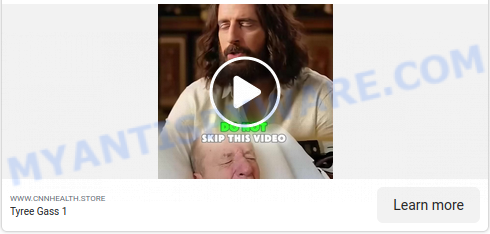
Beware of the manipulative social media ads and the fake news-style landing page at cnnhealth.store that are designed to create urgency and fear, pushing you to buyMindBoost by promising miraculous brain benefits that are not supported by any legitimate clinical evidence. The page misuses logos from reputable media companies and displays thousands of fake comments praising the product, none of which can be independently verified.
Bottom Line: Avoid MindBoost and do not trust the “honey trick” claims or the fake endorsements showcased in the video and sales funnel. The product offers no real memory or cognitive improvements, and the checkout process has led to numerous customer complaints about false advertising and difficulties obtaining refunds. Always research thoroughly and be skeptical of health products that use scare tactics and celebrity impersonations to push sales—it’s almost certainly a scam.