If you’ve seen ads claiming a “Manuka Honey Recipe” that lowers blood sugar faster than prescription meds, beware — it’s a slick online scam pushing a supposed supplement called Sugar Harmony. Marketed as a natural alternative branded “Nature’s Ozempic,” this campaign leverages dramatic social media videos and fake news-style websites to lure desperate diabetes sufferers into buying from a shady sales funnel hosted on ClickBank.

The core trick? Aggressive, misleading marketing loaded with fake urgency and fake social proof — countdown timers, bogus live-viewer counts, phony “60 MINUTES” TV screenshots, and fabricated glowing testimonials — all designed to rush you into handing over your credit card before you can think twice. Behind the scenes, Sugar Harmony is just another unproven supplement with no credible clinical backing, questionable refund policies, and mounting customer complaints of being scammed or denied money back.
In short: this “Manuka Honey” remedy is a well-orchestrated hustle built on lies, designed to separate you from your money under the guise of harmless natural health help. Don’t fall for the hype — your best defense is to ignore the flashy ads and stick to proven medical advice from trusted healthcare professionals.
💡 Heads-up: Similar Scams Are Everywhere. Manuka Honey Trick is not unique. It is one of many fake supplements, gadgets, and other schemes we expose in our Fact Checks section. All of them aim to grab your personal data or money. The people behind these scams run slick websites, spread bogus promo codes, and even pose as trusted brands or experts. Below are a few recent scams that follow the same playbook as Manuka Honey Trick: Lercea Meglutide Drops, CartPerk.com, All Star Keto Gummies, Waggy Puppy Robot, Blood Vitals Glucose Monitor.
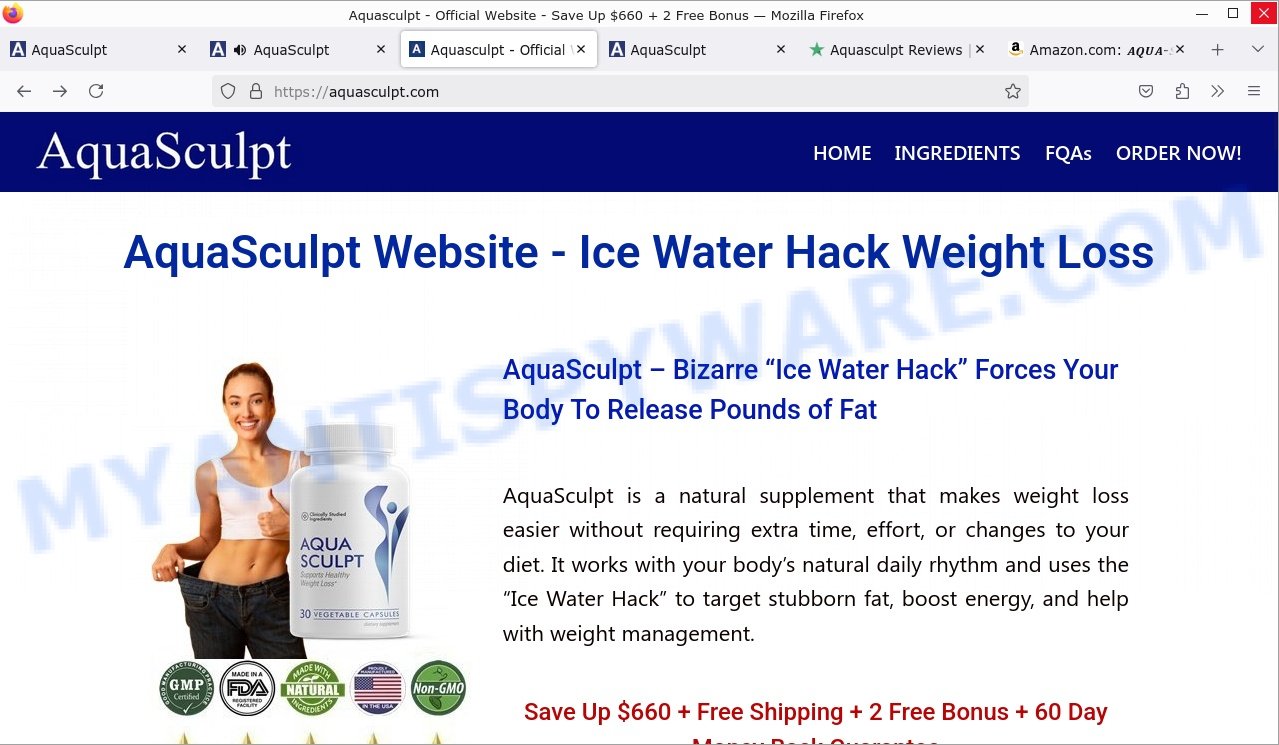

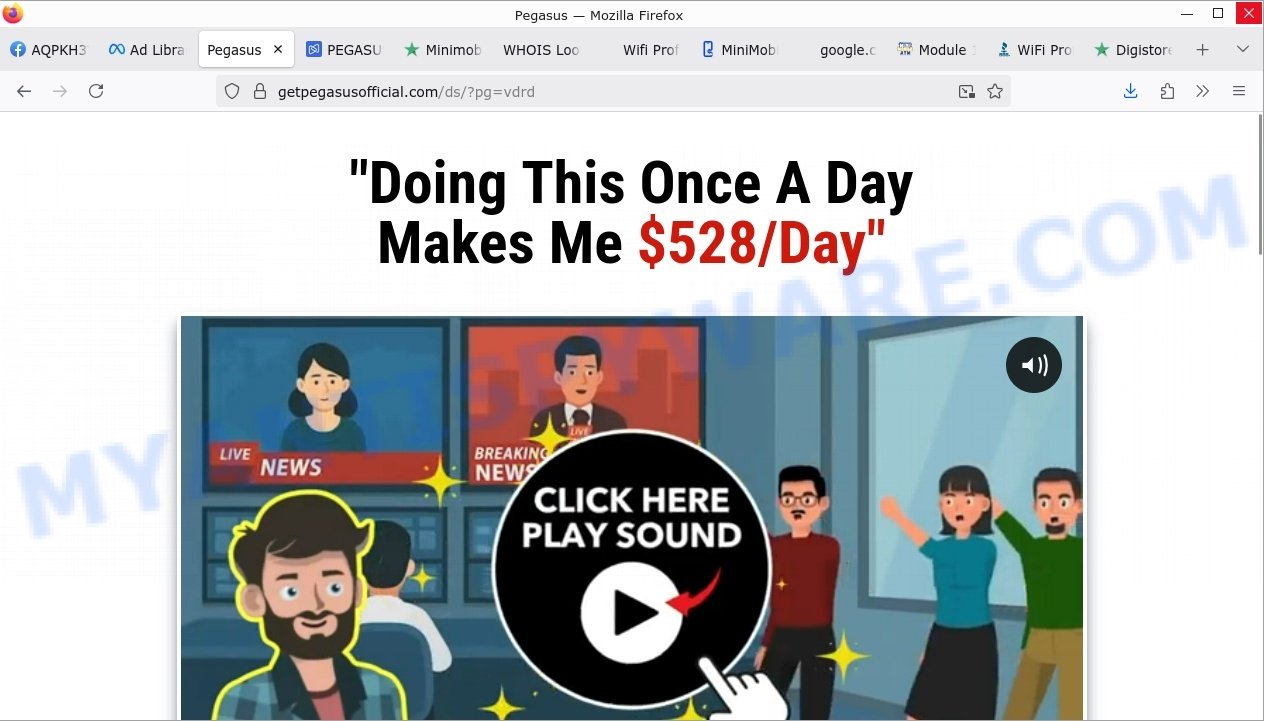
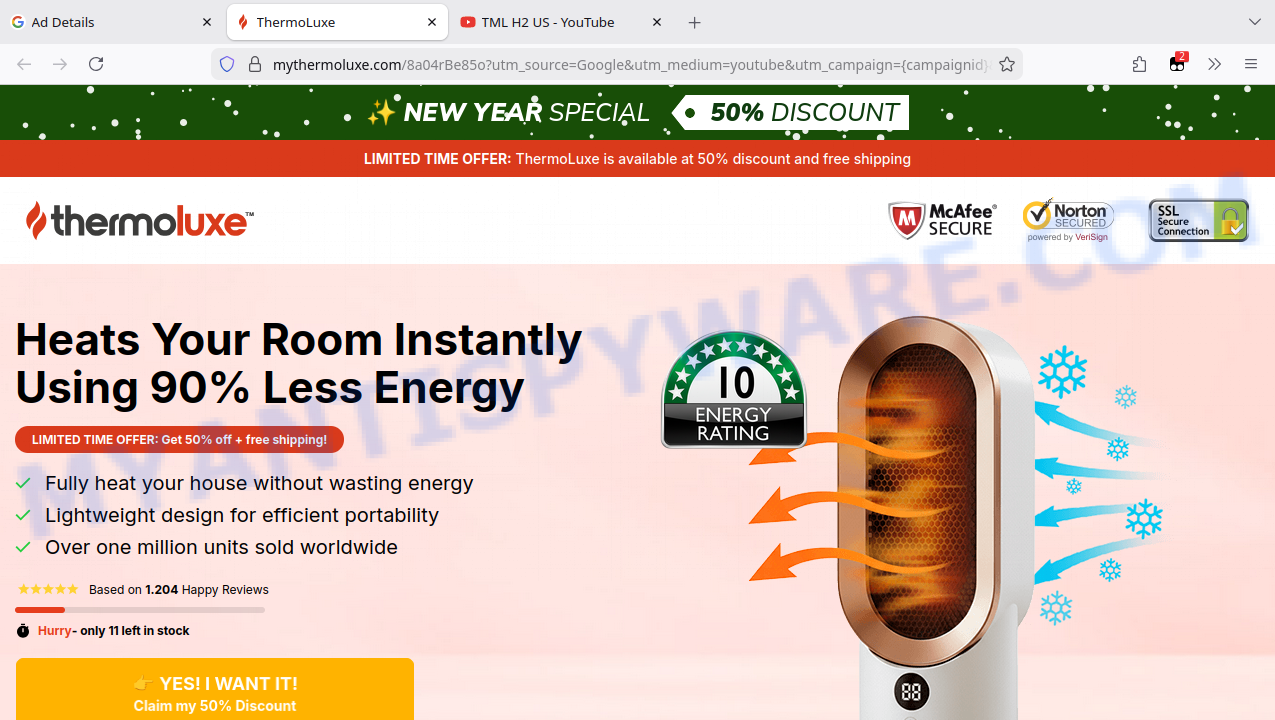
Table of Contents
🚨 Is Manuka Honey Trick a Scam?
The so-called “Manuka Honey Recipe” that claims to lower glucose levels faster than prescription medications is part of a deceptive marketing campaign pushing the Sugar Harmony supplement for blood sugar control. This campaign uses manipulative online tactics to lure people struggling with diabetes into buying an unproven product marketed as a natural alternative to medications like insulin.

Key Red Flags:
- 🌐 Suspicious Marketing Funnel: The promotion starts with social media video ads on Facebook and YouTube that funnel users through shady domains like betterlifeforyou.site and SugarBreak.site before landing at getsugarharmony.com and finally a checkout hosted on orders.clickbank.net. This complex funnel is designed to pressure visitors with urgent, flashy content while hiding behind multiple intermediary sites.
- ⭐ Fabricated Social Proof and Testimonials: The landing pages and videos display fake viewer counters, fabricated user comments with green “VERIFIED USER” tags, and glowing testimonials with unverifiable endorsements. These elements are staged to create a false sense of trust and urgency.
- 🔒 Misleading Media Endorsements: Images mimicking “60 MINUTES” TV coverage and claims of the remedy being “banned from TV networks” attempt to suggest legitimacy, but no credible sources or actual broadcasts support these claims.
- ⚠️ Unsubstantiated Health Claims: The campaign promises that the Manuka Honey recipe, called “Nature’s Ozempic,” can dramatically lower glucose levels faster than prescriptions—claims unsupported by any verifiable scientific or clinical evidence.
- 📉 Questionable Product and Checkout Process: Sugar Harmony is sold in bundles with countdown timers and “limited stock” alerts encouraging rushed purchases. The checkout at ClickBank, while showing familiar trust badges, is a common platform used by many questionable supplement scams.
- 👤 Fake Quality Badges: The supplement pages use icons claiming “GMP Certified,” “FDA Registered,” “100% Natural,” and “GMO Free” without verifiable certification documentation. These badges are often added to mislead buyers into thinking the product is rigorously tested and safe.
- 🔗 Reports of Refund Issues and Hidden Costs: Customer reviews on third-party sites like Trustpilot highlight difficulties getting refunds and the burden of paying return shipping, indicating poor consumer protection and deceptive business practices.
In summary, the “Manuka Honey Recipe” trick and its associated Sugar Harmony supplement appear to be part of a fraudulent sales scheme that relies on fake endorsements, exaggerated health promises, and manipulative sales tactics to exploit people seeking affordable diabetes solutions. Genuine scientific backing for these claims is lacking, and multiple consumer complaints about refunds indicate a high risk of financial loss. It is strongly advised to avoid purchasing Sugar Harmony and to consult qualified healthcare professionals for effective, evidence-based diabetes management.
🕵️♂️ How the “Manuka Honey Trick” Scam Operates
The “Manuka Honey Recipe” scam is a deceptive marketing scheme promoting suspicious supplements like Sugar Harmony. 🚨 It targets people with promises of a natural remedy that supposedly lowers blood sugar faster than prescription medications, but in reality, it pushes an unproven dietary supplement with no substantiated benefits. 🔗 Step-by-Step Breakdown of the Scam:


🛒 Using Social Media Ads to Attract Victims
The scam begins with viral-style video ads on platforms like Facebook and YouTube, featuring dramatic visuals like Manuka honey being poured next to high glucose readings and fake “news” coverage images. These ads exploit urgency and secrecy using countdown timers and claims that a major health discovery was “buried” or “banned” by the diabetes industry.
🕸️ Redirecting to Fake Article-Style Landing Pages
Clicking the ads leads to article-like pages on suspicious domains (such as www.betterlifeforyou.site and SugarBreak.site) that feature bold headlines claiming Manuka Honey can replace medications and insulin. These pages include fabricated testimonials, misleading update timestamps, and embedded videos that prompt visitors to watch “tutorials” or “proof,” nudging them toward a sales pitch.
📢 Pushing the Sugar Harmony Supplement
After watching the videos, users are shown a sales funnel centered on Sugar Harmony, a supplement marketed as a natural blood sugar regulator. The sales pages offer multiple bottle packages at discounted rates and use high-pressure tactics like countdown timers on checkout pages (hosted on ClickBank URLs like orders.clickbank.net) to rush customers into buying.
💼 Faking Credibility and Medical Endorsements
The scam employs faux news branding, including fake “60 MINUTES” images, and falsely claims the product is “banned from TV networks.” They plaster GMP, FDA registration, “100% Natural,” and other certification icons on the pages to appear legitimate, but none of these claims are verifiable or backed by genuine experts or organizations.
💸 Using Fake Social Proof and Reviews
The websites flood potential buyers with fabricated user reviews, “Verified User” badges, five-star ratings, and live viewer counters to simulate high demand and positive feedback. Comment sections show bogus testimonials with sensational praise, designed to build false trust.
⚖️ Misleading Health and Legal Claims
The promotional content falsely assures prospects that Sugar Harmony is safe, effective, and endorsed by medical professionals. It touts the supplement as a “natural alternative” to prescription drugs while lacking any credible clinical evidence or regulatory approval.
🛍️ Complicated Buying and Refund Processes
The checkout flow emphasizes “secure” payments and generous “60-day money back guarantees,” but these promises are typically hollow. Customers report difficulty obtaining refunds, are asked to handle return shipping at their expense, and often receive no response from customer support.
🔁 Delivering Ineffective Products
Those who receive Sugar Harmony typically find it does not work as claimed. The supplement lacks scientific validation, and buyers do not experience the dramatic glucose-lowering effects promised in the ads.
🚫 Providing Poor or No Customer Support
Post-purchase support is often nonexistent or unhelpful. Emails go unanswered, and consumers trying to resolve issues or request refunds face frustration and stonewalling.
In summary, the “Manuka Honey Recipe” scam is a deceptive scheme that tricks people into buying an ineffective dietary supplement by falsely promising a natural cure for diabetes. The scammers use viral-style social media ads, fake landing pages, fabricated reviews, and misleading claims to create urgency and trust. Buyers are left with worthless products, difficulty obtaining refunds, and little to no customer service. This scam serves as an important warning to carefully research health products and avoid offers that seem too good to be true.
😱 What to Do If Scammed
If you find yourself ensnared by the Manuka Honey Trick Scam, immediate action is crucial. Here’s what you should consider doing:
🛑 Stop Further Transactions
The first step is to halt any additional transactions that might be in process. Contact your bank or credit card provider and inform them that you’ve fallen victim to a scam. They can help by blocking the card or reversing any unauthorized transactions.
📞 Report the Fraud
File a report with your local police and provide all the available evidence, such as screenshots, emails, and website URLs. Additionally, report the scam to online portals like the Better Business Bureau (BBB) at www.bbb.org or the Federal Trade Commission (FTC) at reportfraud.ftc.gov. If you’re in another country, reach out to your national consumer protection agency.
💻 Take Screenshots
Before the scam website gets taken down or changes, make sure to capture screenshots of your transactions and communications. These can serve as evidence if you decide to pursue legal action.
⚖️ Consult Legal Advice
Speak to a legal advisor about your situation. While pursuing legal action may be time-consuming and costly, it could be a possible avenue for recovering your lost money.
📢 Share Your Experience
Use social media platforms to share your experience and warn others about the scam. Your story could prevent someone else from falling victim to the same or similar scams.
Summary Table
| Factor | Observations | Impact on Legitimacy |
|---|---|---|
| Product Description | Sugar Harmony is promoted as a natural supplement that controls blood sugar faster than prescription drugs, using a “Manuka Honey Recipe” trick. It is falsely claimed to be a home remedy that replaces medications and insulin. | Negative (False health claims and unrealistic promises) |
| Marketing Channels | Advertisement starts with videos on social media like Facebook and YouTube, showing dramatic images and countdown timers to create urgency. Users are sent through several websites before reaching the sales page and checkout on orders.clickbank.net. | Negative (Use of pressure tactics and complex sales funnel) |
| Website and Sales Funnel | Landing pages mimic news articles and TV coverage with fake “60 MINUTES” images and claim the product was banned. Videos and testimonials push visitors to buy Sugar Harmony in multi-bottle bundles with limited-time offers and discount pricing. | Negative (Deceptive website design and misleading promotions) |
| Social Proof and Credibility | The campaign shows fake user comments, verified tags, star ratings, and live viewer counts to appear trustworthy. It also uses false manufacturer badges like “GMP,” “FDA Registered,” and “100% Natural.” | Negative (Fake reviews and false credibility claims) |
| Pricing and Offers | Product sold in packages of 2, 3, or 6 bottles with discount deals, plus timers to rush buying decisions. Checkout claims secure payment and a “60-day money back guarantee,” but refund issues are reported. | Negative (Pressure selling and questionable refund policy) |
| Customer Experience | Trustpilot reviews reveal low ratings (2.1) with customers complaining about refund difficulties and having to pay return shipping. Some say they felt scammed and never received their money back. | Negative (Poor customer satisfaction and refund problems) |
| Claims Verification | No scientific proof or clinical evidence supports the claims. References to endorsements by doctors, TV shows, or health authorities are not genuine and are used to trick buyers. | Negative (Unproven claims and false endorsements) |
| Company Transparency | The sites show no clear company information and use privacy protections. The use of multiple domains and third-party checkout services make it hard to identify or contact the seller. | Negative (Lack of transparency and accountability) |
| Safety and Risks | The product’s safety is not verified, and the marketing ignores any side effects or interactions. Customers risk losing money, having charges continue without permission, or their data being misused. | Negative (Unknown safety and financial risks) |
Conclusion
The “Manuka Honey Recipe” Trick Scam promoting Sugar Harmony supplement is a deceptive online sales scheme that exploits false claims, fabricated testimonials, and manipulative marketing tactics to lure vulnerable consumers. This campaign falsely markets Sugar Harmony as a natural, effective alternative to prescription diabetes medications, claiming it can lower blood glucose faster than pharmaceutical drugs—and wraps these lies in a “Manuka Honey” narrative to appear wholesome and trustworthy.
The promoters use dramatic imagery, fake media endorsements (like phony “60 MINUTES” logos), countdown timers, and fake “live viewer” counts to create urgency and false credibility. The product pages are filled with unverifiable badges like “FDA Registered,” “GMP Certified,” and “100% Natural,” none backed by legitimate evidence or credible sources. Testimonials and “verified user” comments are clearly staged, designed solely to manipulate trust.
Bottom Line: Avoid the Sugar Harmony supplement and the “Manuka Honey” recipe scam altogether. The product lacks any genuine scientific validation, depends on misleading marketing methods, and is linked to real customer complaints, especially concerning unfulfilled refunds and aggressive sales tactics. Always be wary of any supplement promising rapid diabetes cures.