Beware of the Coach $750 Gift Card Scam—a slick online trick preying on those enticed by luxury rewards. At first glance, these fake Coach reward pages seem harmless, promising a hefty $750 gift card after a few simple steps. But that’s exactly where the catch lies.
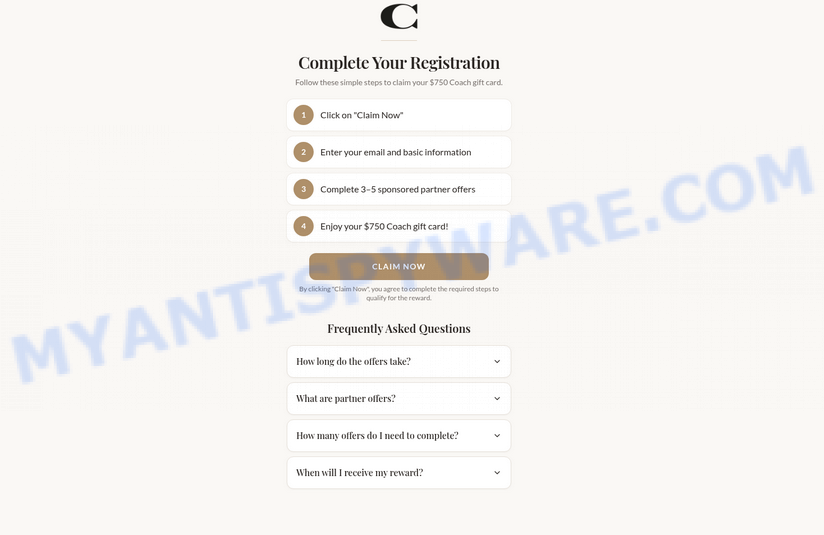
This scam cleverly impersonates the Coach brand, using a misleading “C” logo without official branding or website links. They lure victims with offers “too good to be true,” requiring personal emails and pushing users through multiple “sponsored partner offers” that often disguise surveys, app installs, or risky subscriptions. The reward? It never actually arrives. No legitimate privacy policy, contact info, or terms back up their claims—just one big trap designed to harvest your data or trap you into unwanted services.
In short: if it sounds like a free $750 Coach gift card for minimal effort, it’s almost certainly a scam. Keep your guard up and skip these fake promos before they take you for a ride.
💡 Heads-up: Similar Scams Are Everywhere. Coach $750 Gift Card is not unique. It is one of many fake supplements, gadgets, and other schemes we expose in our Fact Checks section. All of them aim to grab your personal data or money. The people behind these scams run slick websites, spread bogus promo codes, and even pose as trusted brands or experts. Below are a few recent scams that follow the same playbook as Coach $750 Gift Card: Burn Peak, VitaRenew, GeeLemon Patch, Your IPhone Is Not Protected, BioCell Blood Health Support.
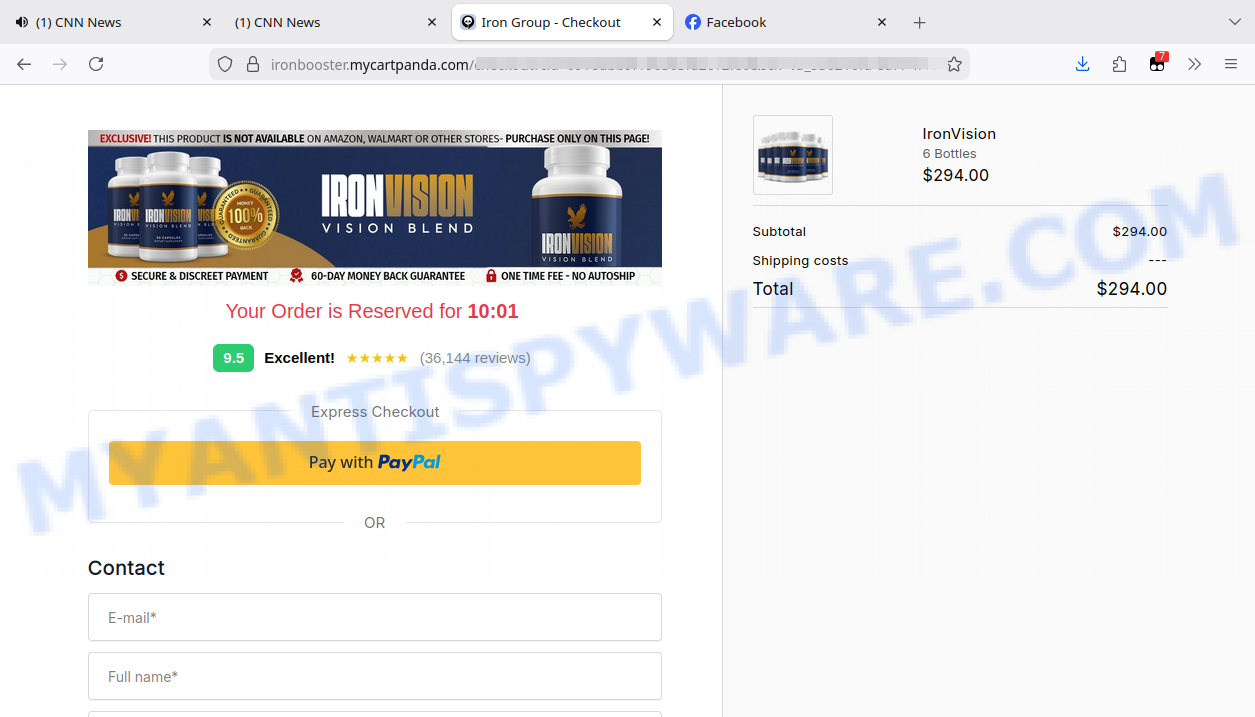
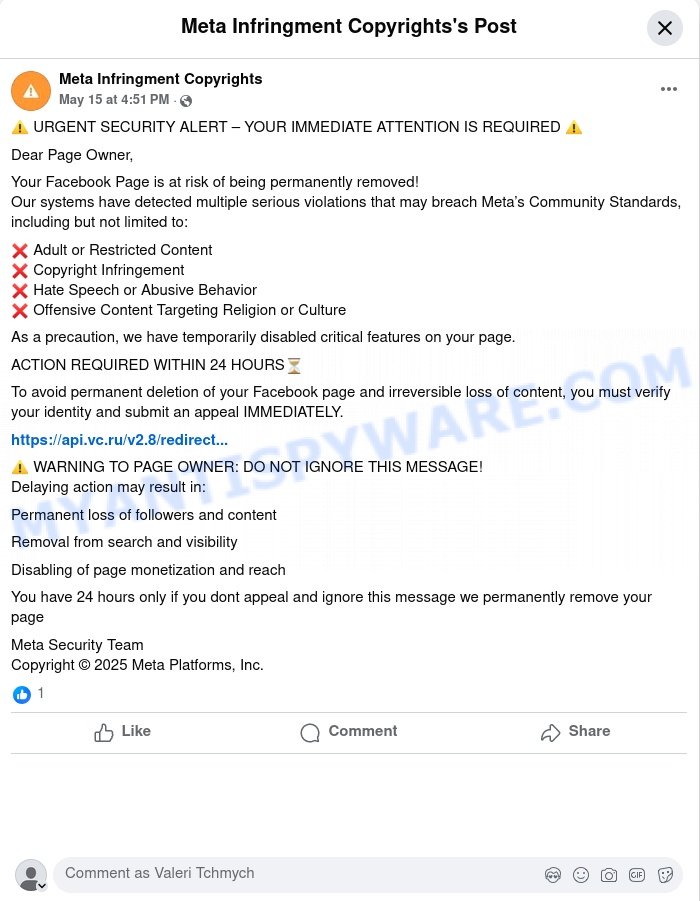
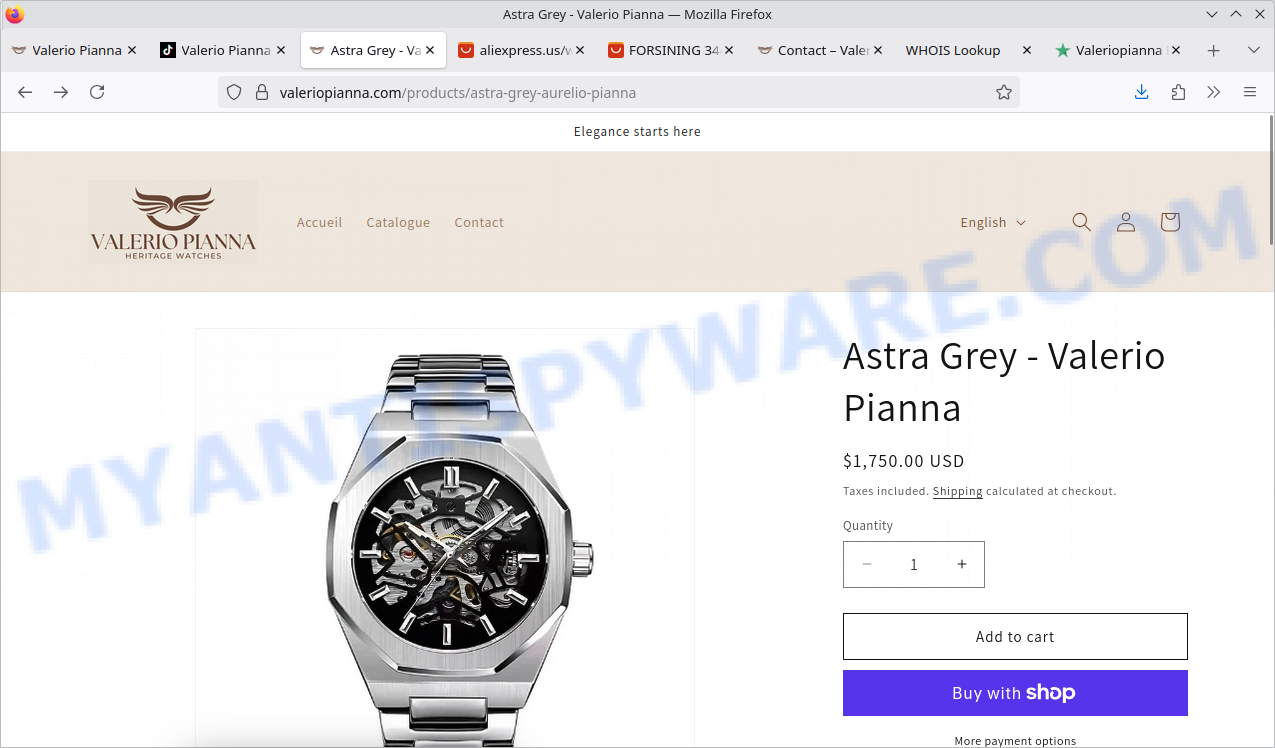

Table of Contents
🚨 Is the Coach $750 Gift Card Offer a Scam?
The so-called Coach “$750 gift card” giveaway is a deceptive scheme designed to lure people with an unrealistic reward for minimal effort. These types of offers prey on those attracted by the promise of free luxury rewards but are often traps to collect personal information or push unwanted subscriptions.
Key Red Flags:
- 🎭 Brand Impersonation: The offer uses a stylized “C” logo meant to mimic Coach’s branding, but it lacks the full brand name and official design elements, signaling it is not affiliated with the authentic company.
- 💰 Too-Good-To-Be-True Reward: A $750 gift card simply by completing a few steps is an unusually generous offer that’s typically used to attract victims to scams.
- 📝 Multiple Steps Collecting Personal Data: The process requires entering email, personal details, and completing “3-5 sponsored partner offers,” which often lead to data harvesting or unwanted subscriptions.
- ❓ Vague Description of Partner Offers: The so-called sponsored offers include free trials, app downloads, and surveys—common techniques to monetize victim participation or gather sensitive information.
- 🔗 No Official Coach Connection: There are no links to Coach’s verified website or official promotional channels, an important hallmark of authentic brand giveaways.
- ⏳ Must Complete Offers Before Reward: Users must finish multiple offers before supposedly receiving the gift card, a classic scam tactic where the reward is never delivered.
- 📄 Lack of Transparency: No visible privacy policy, terms of service, or contact information is provided, which reputable promotions always include for legitimacy.
In summary, the Coach $750 gift card offer is a scam that should be avoided. Its fake branding, unrealistic rewards, tactics to collect personal information, and lack of official transparency point to a fraudulent scheme. Consumers are advised not to engage with these offers and to rely only on verified channels for brand promotions and giveaways.
🕵️♂️ How the Coach $750 Gift Card Scam Operates
The Coach $750 Gift Card Scam is a deceptive scheme. 🚨 It tricks people into thinking they can receive a large gift card by completing simple steps, but it’s designed to collect personal information and profit from unsuspecting victims. 🔗 Step-by-Step Breakdown of the Scam:
🛒 Impersonating the Coach Brand
Scammers create fake pages using a stylized “C” logo that mimics Coach’s branding but lacks the full brand name or official fonts. This fake branding tries to gain trust by resembling the luxury fashion company.
📝 Asking for Personal Information via Multiple Steps
The fake offer promises a $750 Coach gift card in exchange for filling out email and other basic details, followed by completing “3-5 sponsored partner offers.” These steps often capture personal data or enroll victims in unwanted services.
📢 Using Vague “Sponsored Partner Offers”
The supposed “offers” may include free trials, app downloads, or surveys. These often lead to unauthorized charges, long-term subscriptions, or data harvesting, generating revenue for the scammers.
🚫 No Official Coach Affiliation
These scam pages provide no links to the official Coach website or any verified source. Authentic Coach promotions always clearly link to their official site, which these do not.
⚠️ Requiring Completion of Offers Before Any Reward
Users are pressured to finish multiple steps and offers to supposedly “unlock” the gift card, but the reward never actually arrives.
🔒 Lack of Transparency & Contact Information
Legitimate giveaways include privacy policies, terms of service, and proper contact details. This scam site omits such information entirely.
💸 Consequences for Victims
Instead of receiving a gift card, victims often face unwanted charges, data theft, spam, or subscription traps. Attempts to contact support go unanswered or provide no help.
In summary, the Coach $750 Gift Card Scam deceives people with fake branding and an unrealistic reward to steal personal data and earn money through dubious third-party offers. There is no real gift card, and the entire scheme is designed to mislead and exploit users. Always verify official promotions directly through the brand’s legitimate website and never provide sensitive information on suspicious pages.
😱 What to Do If Scammed
If you find yourself ensnared by the Coach $750 Gift Card Scam, immediate action is crucial. Here’s what you should consider doing:
🛑 Stop Further Transactions
The first step is to halt any additional transactions that might be in process. Contact your bank or credit card provider and inform them that you’ve fallen victim to a scam. They can help by blocking the card or reversing any unauthorized transactions.
📞 Report the Fraud
File a report with your local police and provide all the available evidence, such as screenshots, emails, and website URLs. Additionally, report the scam to online portals like the Better Business Bureau (BBB) at www.bbb.org or the Federal Trade Commission (FTC) at reportfraud.ftc.gov. If you’re in another country, reach out to your national consumer protection agency.
💻 Take Screenshots
Before the scam website gets taken down or changes, make sure to capture screenshots of your transactions and communications. These can serve as evidence if you decide to pursue legal action.
⚖️ Consult Legal Advice
Speak to a legal advisor about your situation. While pursuing legal action may be time-consuming and costly, it could be a possible avenue for recovering your lost money.
📢 Share Your Experience
Use social media platforms to share your experience and warn others about the scam. Your story could prevent someone else from falling victim to the same or similar scams.
Conclusion
The Coach $750 Gift Card offer is a scam, relying on deceptive marketing tactics, fake branding, and misleading claims to trick users into providing personal information. The fake rewards page impersonates the Coach brand by using a suspiciously stylized “C” logo and offers an unrealistically high-value gift card just for completing a few simple steps.
Scammers use this lure to collect emails and personal data through “sponsored partner offers,” which typically involve signing up for trials, downloading apps, or completing surveys that may result in unwanted charges or data harvesting. The lack of any official Coach branding, absence of links to the legitimate Coach website, and failure to provide standard transparency documents like a privacy policy or contact information further highlight the fraudulent nature of the site.
Bottom Line: Avoid any offers claiming to give away large Coach gift cards in exchange for personal information or completing multiple offers. Always verify promotions through official brand channels and be wary of deals that seem too good to be true. Protect your information and stay vigilant against scams designed to exploit your trust.