If you’ve stumbled upon those flashy “Baking Soda Shots” or “Oprah’s Baking Soda Recipe” videos promising rapid weight loss, it’s time for a reality check. These viral clips, often filled with buzzwords and mysterious ingredients, claim to reveal a super-easy homemade concoction that melts away pounds fast. Sounds too good to be true? That’s because it is.
Here’s the deal: these videos aren’t what they seem. Featuring Oprah Winfrey, celebrity doctors like Dr. Ania Jastreboff, and glowing testimonials, they lure you in with slick production—but many are deepfakes or cleverly edited mashups using AI tech. They tease a secret recipe involving simple items like lemon and baking soda but never actually disclose the full formula. Instead, they funnel viewers to buy expensive dietary supplements under various brand names, pretending these capsules hold the “true” magic.
Bottom line: The so-called Oprah Baking Soda Weight Loss Recipe is a classic bait-and-switch scam built on fake celebrity endorsements and fabricated “miracle cures.” Neither Oprah nor Dr. Jastreboff endorses these products. Don’t fall for these artificial hype machines. Stay skeptical, avoid clicking those “secret ingredient” links, and rely on real science—not viral hype—for your health goals.
💡 Heads-up: Similar Scams Are Everywhere. Oprah Baking Soda Recipe is not unique. It is one of many fake supplements, gadgets, and other schemes we expose in our Fact Checks section. All of them aim to grab your personal data or money. The people behind these scams run slick websites, spread bogus promo codes, and even pose as trusted brands or experts. Below are a few recent scams that follow the same playbook as Oprah Baking Soda Recipe: VitaRenew, Nerve Action, BlxRewards.com, Mind Honey, Barislend.
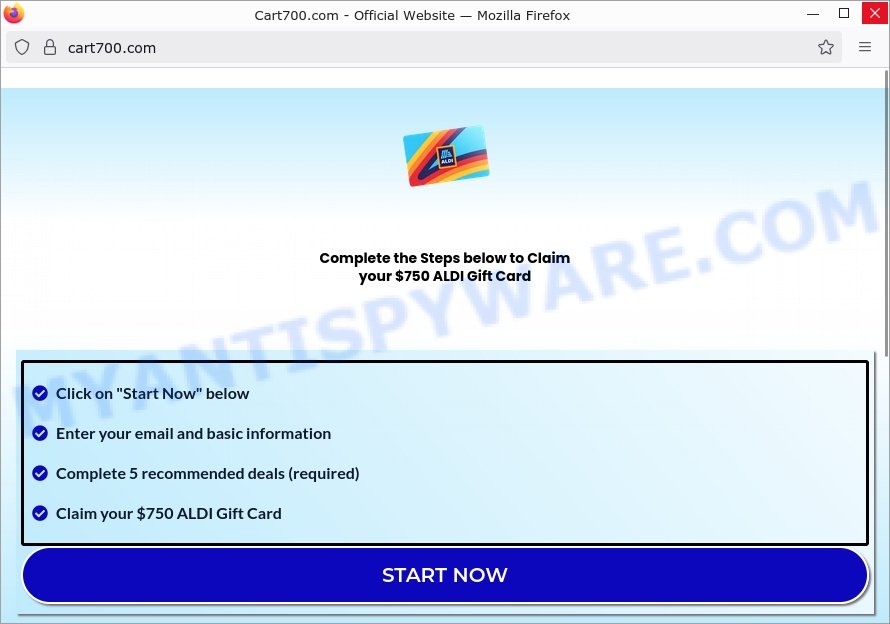
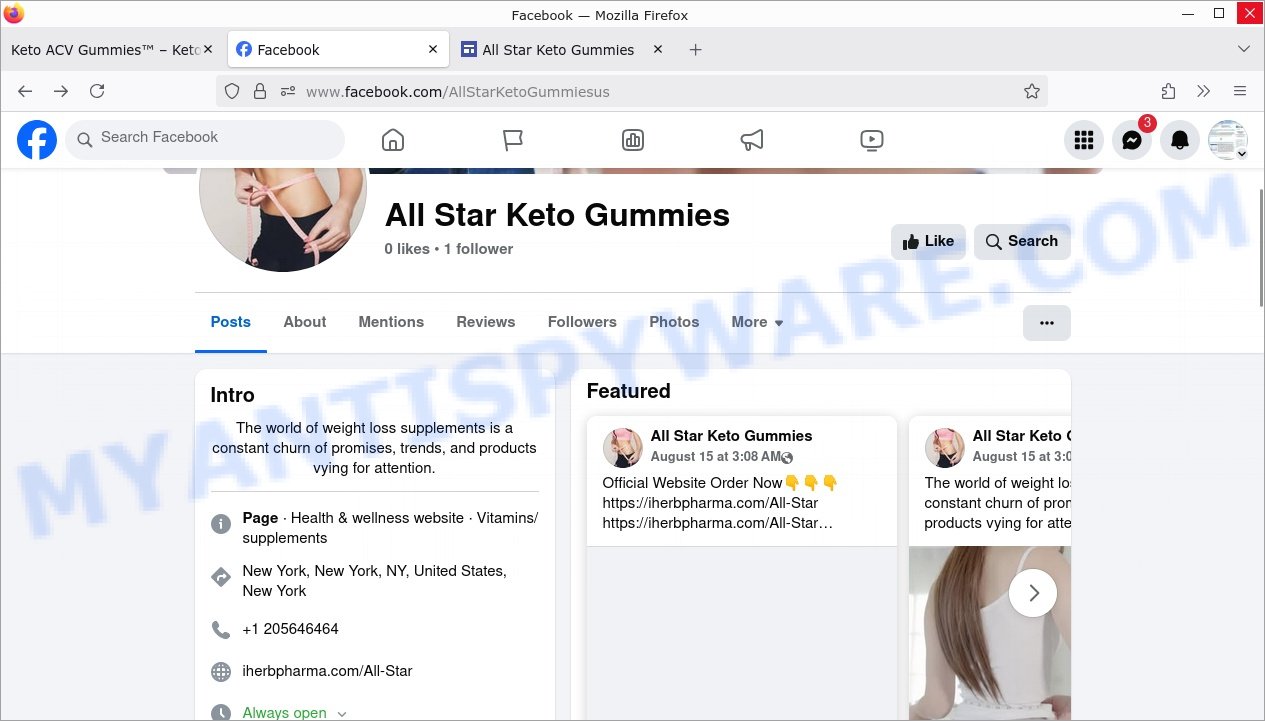
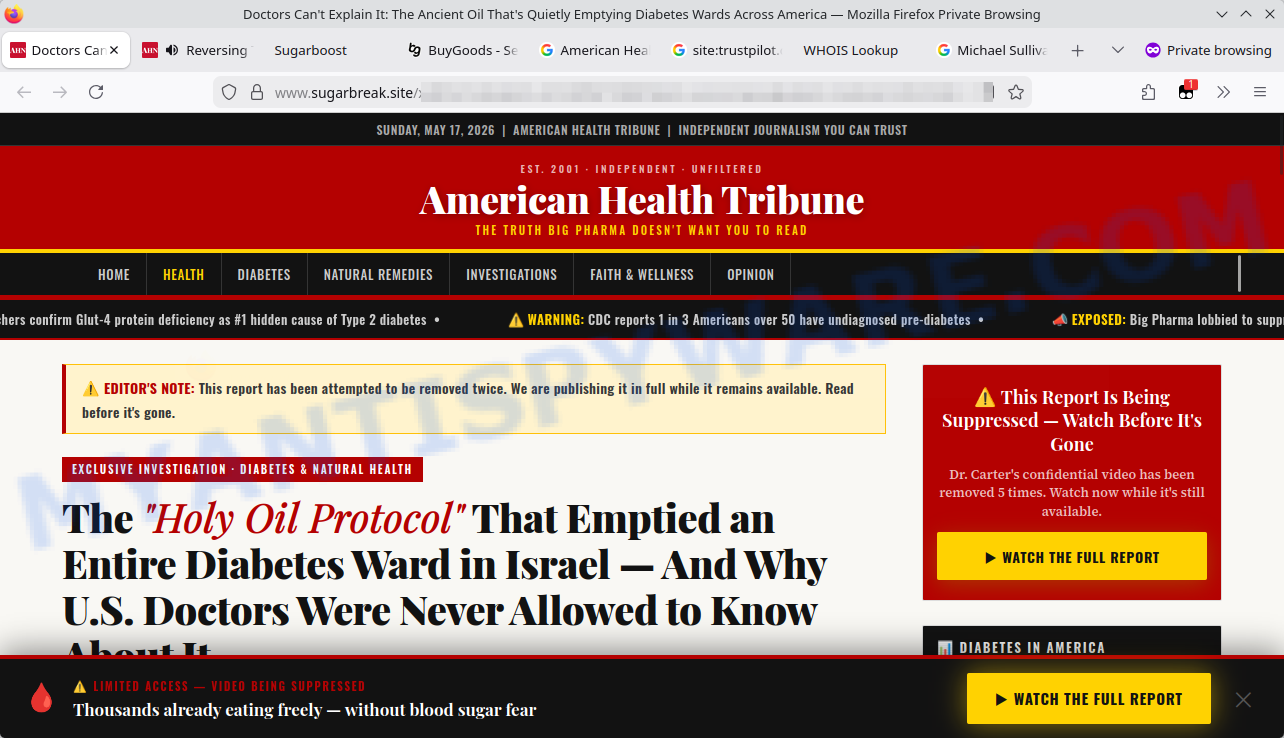
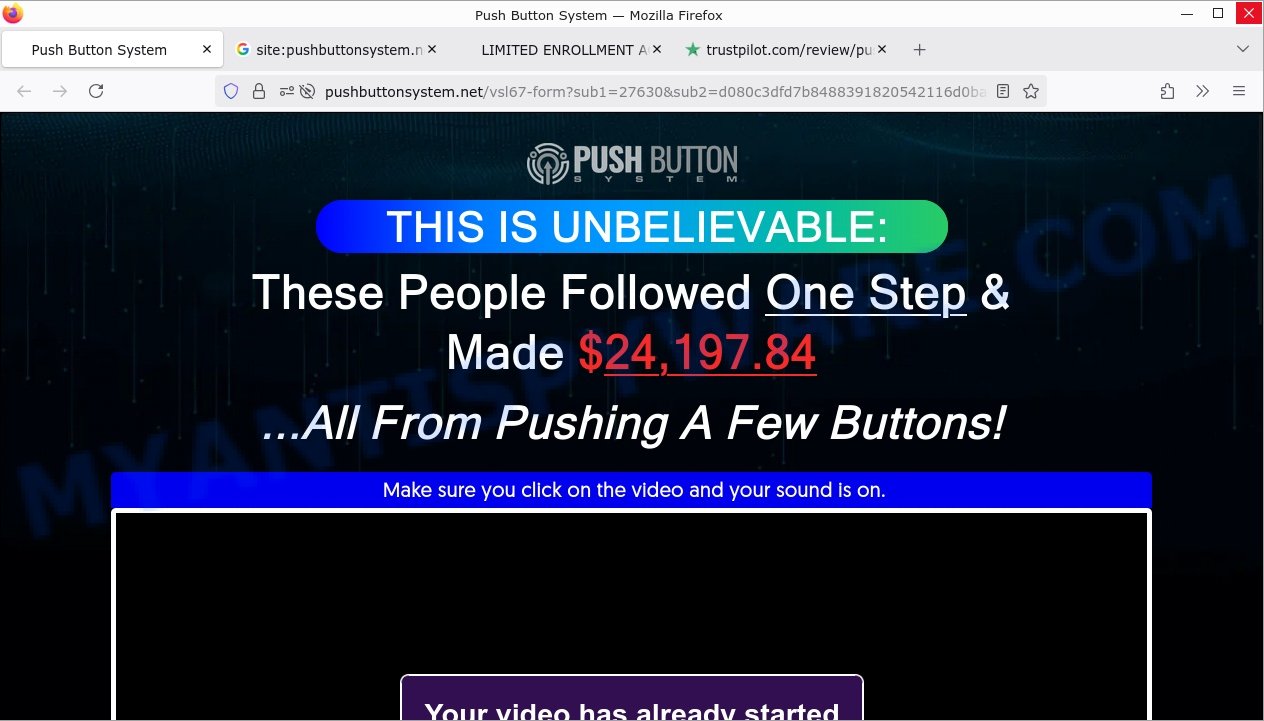
Table of Contents
🚨 Is Oprah Baking Soda Recipe a Scam?
The so-called “Baking Soda Shot” or “Baking Soda Recipe” that claims to be a miracle weight-loss solution supposedly created by Oprah is a deceptive scam designed to trick people into buying questionable supplements. Numerous websites and Facebook videos promote this supposed quick weight loss method, but the reality is quite different.
Key Red Flags:
- 🌐 Fake Celebrity Endorsements: Videos and ads falsely claim Oprah Winfrey and well-known doctors like Ania Jastreboff endorse this recipe. These are often deepfake videos or heavily edited footage with fake voiceovers to create false credibility.
- ⭐ Hidden Ingredients and False Promises: Ads tease a simple recipe of lemon and baking soda, promising rapid weight loss but never fully disclose the “secret ingredient.” Instead, they direct users to purchase dietary supplements sold under various names like AlkaLean or ShapeON, unrelated to the recipe shown.
- 🔒 Misleading Video Format: The promotional videos are unusually long, with lengthy testimonials and suspenseful build-up, urging viewers to stay until the end to “reveal the secret.” This is a bait-and-switch tactic common in scams.
- ⚠️ AI-Generated Content: Close inspection reveals distorted text on packaging and unnatural speech or visuals, signs of AI-generated or manipulated content designed to deceive viewers.
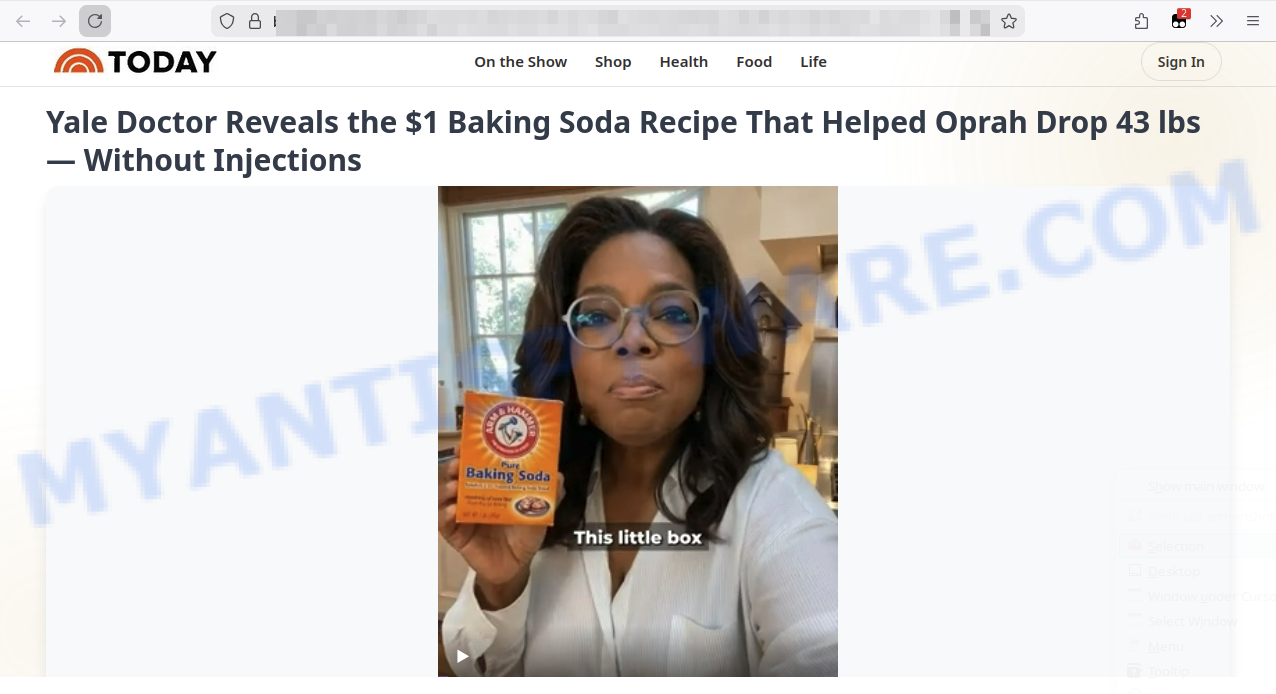
- 📉 Fake News Style Pages: These scams often lead to websites styled like reputable news outlets (CNN, Today Show) but are fake, designed to look trustworthy while pushing the product.
- 👤 False Discounts and Pressure Sales: At the end of the videos, viewers are pushed with “huge discounts” and limited-time offers to buy overpriced supplements, pressuring impulsive purchases without any real guarantee of benefits.
- 🔗 Celebrity Warnings Ignored: Oprah Winfrey and Dr. Ania Jastreboff have publicly warned that these videos, endorsements, and products are fake and that neither of them is associated with any such baking soda recipes or miracle supplements.
In summary, the Oprah Baking Soda Recipe is part of a fraudulent scheme using fake celebrity endorsements, AI-manipulated videos, and misleading marketing to sell useless dietary supplements. It is strongly advised to avoid falling for these scams and instead seek advice from reputable health professionals for effective weight loss solutions.
🕵️♂️ How the Oprah Baking Soda Recipe Scam Operates
The “Oprah Baking Soda Recipe” is a deceptive scam. 🚨 It falsely claims to be a miracle weight-loss recipe endorsed by Oprah Winfrey, but it’s actually a trick to sell dietary supplements with no real benefits. 🔗 Step-by-Step Breakdown of the Scam:
📹 Creating AI-Generated or Fake Videos
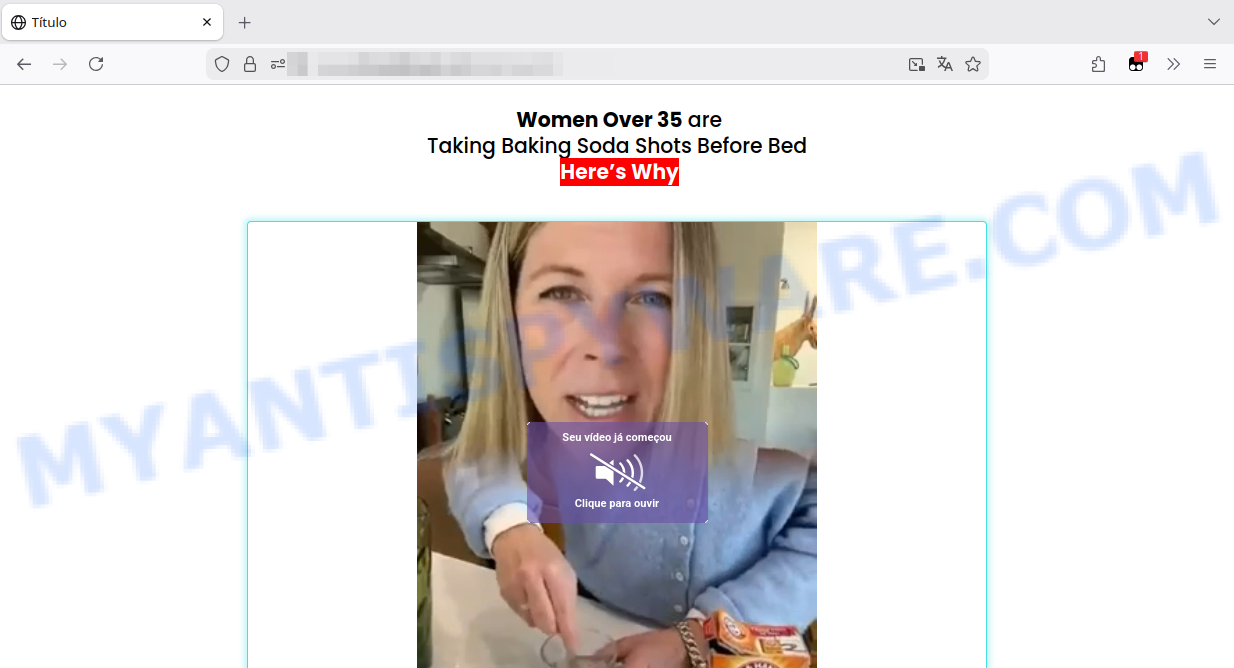
Scammers produce seemingly genuine videos featuring Oprah, doctors like Dr. Ania Jastreboff, and testimonials praising this so-called weight-loss baking soda recipe. These videos often show distorted or unnatural glitches in text or faces—typical signs of AI-generated or manipulated deepfake footage.
📰 Fake Health Article Landing Pages
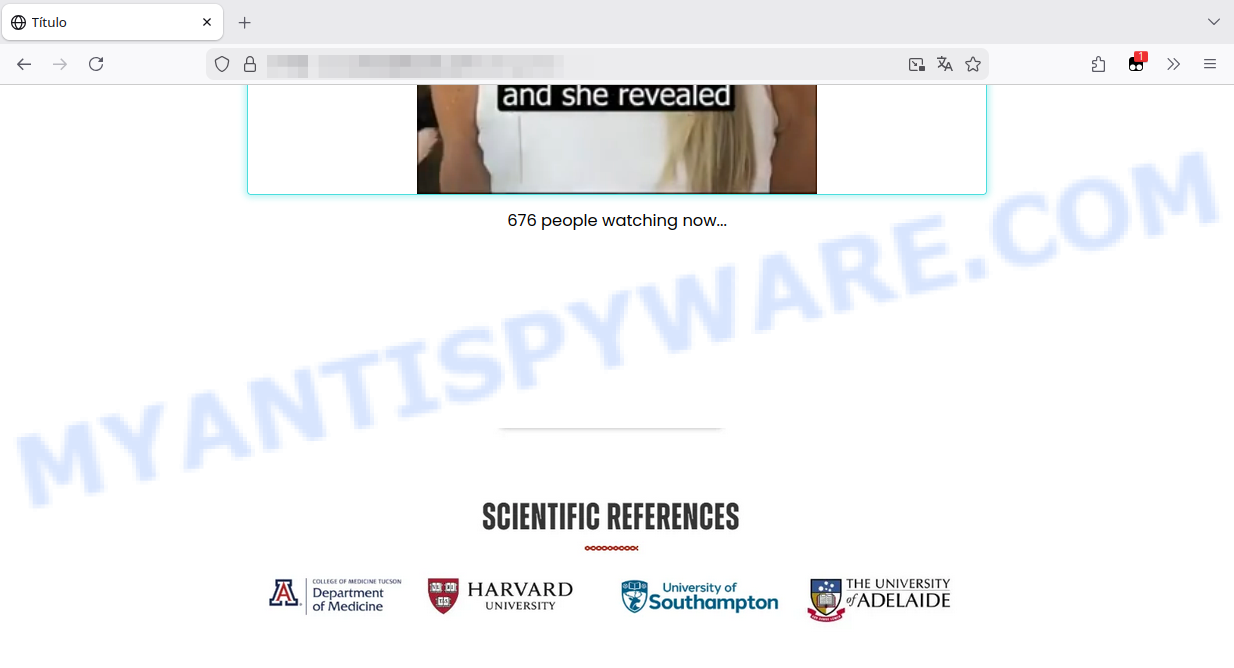
Clicking through the ads sends you to clickbait-style webpages imitating big news outlets, with long videos and flashy headlines promising the “full recipe” at the end.
🎥 Endless “Watch Till The End” Videos
The videos urge viewers to watch the entire lengthy clip to discover secret ingredients. However, when the video finally “reveals” the recipe, it abruptly switches to promoting a dietary supplement capsule, not the simple lemon and baking soda concoction that was promised.
💊 Sneaky Supplement Sales
Names like AlkaLean or ShapeON appear as “miracle” pills that supposedly carry all the weight-loss benefits of the recipe—none of which are scientifically proven.
🔥 Fake Celebrity Endorsements
The videos and pages illegally use Oprah’s name and the names of reputable doctors to lend false credibility. Neither Oprah nor Dr. Ania Jastreboff have any connection to the recipe or the supplements.
💰 Urgency and Discounts
The scam uses fake “huge discounts” and limited-time offers to pressure viewers into buying quickly, pretending Oprah is personally “helping” you get a special deal.
🚫 No Real Recipe or Results
There is no actual baking soda recipe disclosed, and the pills sold have no proven weight-loss effects. Buyers are left with useless supplements that don’t work.
📧 Unresponsive Customer Support
After purchase, customer service is non-existent or unhelpful, making refunds or returns nearly impossible.
In summary, the Oprah Baking Soda Recipe scam exploits fake videos, celebrity deepfakes, and misleading ads to trick people into buying ineffective supplements disguised as a simple home remedy. Remember, Oprah and credible health professionals have warned repeatedly that these so-called miracle weight-loss videos and recipes are completely fake. Always be cautious and verify before trusting health claims seen online.
😱 What to Do If Scammed
If you find yourself ensnared by the Oprah Baking Soda Recipe Scam, immediate action is crucial. Here’s what you should consider doing:
🛑 Stop Further Transactions
The first step is to halt any additional transactions that might be in process. Contact your bank or credit card provider and inform them that you’ve fallen victim to a scam. They can help by blocking the card or reversing any unauthorized transactions.
📞 Report the Fraud
File a report with your local police and provide all the available evidence, such as screenshots, emails, and website URLs. Additionally, report the scam to online portals like the Better Business Bureau (BBB) at www.bbb.org or the Federal Trade Commission (FTC) at reportfraud.ftc.gov. If you’re in another country, reach out to your national consumer protection agency.
💻 Take Screenshots
Before the scam website gets taken down or changes, make sure to capture screenshots of your transactions and communications. These can serve as evidence if you decide to pursue legal action.
⚖️ Consult Legal Advice
Speak to a legal advisor about your situation. While pursuing legal action may be time-consuming and costly, it could be a possible avenue for recovering your lost money.
📢 Share Your Experience
Use social media platforms to share your experience and warn others about the scam. Your story could prevent someone else from falling victim to the same or similar scams.
Summary Table
| Factor | Observations | Impact on Legitimacy |
|---|---|---|
| Product Description | The “Baking Soda Recipe” is advertised as a quick and easy weight-loss solution supposedly created by Oprah. It claims to use common ingredients like lemon and baking soda to help shed pounds rapidly, but the full recipe is never revealed. | Negative (False representation and incomplete information) |
| Promotion Method | Promoted heavily on Facebook through videos with clickbait headlines. Videos encourage viewers to watch long presentations that praise the recipe without giving real details, pushing viewers to follow links to buy supplements instead of the recipe. | Negative (Misleading advertising and bait tactics) |
| Video Content | Videos often use AI-generated or edited deepfake footage inserting Oprah and other celebrities, along with fake doctor endorsements. The videos create a false impression of authenticity and credibility. | Negative (Use of fake videos and misleading endorsements) |
| Product Offered | No actual recipe is provided; instead, viewers are pushed to buy dietary supplements with various brand names claiming to offer the same benefits as the “recipe”. The products change names but follow the same sales script. | Negative (Switch from free recipe to paid supplement sales, indicating scam) |
| Celebrity Involvement | Oprah Winfrey and Dr. Ania Jastreboff are falsely presented as supporters. Both have publicly denied any involvement and warned against these scams. | Negative (False claims of endorsements by well-known figures) |
| Transparency | The producers of these videos and product pages hide the real source and use fake news site formats. There is a lack of clear information about the company behind the supplements. | Negative (Lack of clear and honest information) |
| Claims and Evidence | Claims about miraculous weight loss and health benefits have no scientific support. The recipe is never fully shared, and the supplements’ benefits are unproven. | Negative (Unsubstantiated and misleading health claims) |
| Safety and Refunds | No clear information about safety, ingredients, or side effects is given. Refund policies are not described, which often makes it difficult to get money back. | Negative (Lack of safety info and uncertain refund policy) |
| Overall Advice | Viewers are advised to ignore these scams and_NOT_ trust videos or ads claiming easy weight loss with baking soda recipes linked to Oprah or doctors. Such claims are fake and aim to sell questionable supplements. | Negative (Confirmed scam with deceptive tactics) |
Conclusion
The Oprah Baking Soda Recipe is a scam, relying on manipulated videos, fake endorsements, and misleading marketing tactics to exploit people hoping for effortless weight loss. The purported “Baking Soda Shot” or “Baking Soda Recipe” allegedly created by Oprah is nothing more than a deceptive ploy to capture your attention and direct you toward purchasing dubious dietary supplements.
The scammers behind this scheme use AI-generated or heavily edited deepfake videos featuring fake appearances of Oprah Winfrey and Dr. Ania Jastreboff to give an illusion of credibility. These videos often promise an easy homemade remedy with secret ingredients, then abruptly switch to pushing overpriced supplements like AlkaLean or ShapeON, claiming they contain the real benefits.
Moreover, the so-called “health article” landing pages you are directed to mimic trusted news outlets to further confuse and convince you. Bold claims, urgent “limited-time discounts,” and fake celebrity involvement are all tactics designed to pressure you into buying a product that lacks any legitimate scientific backing.
Bottom Line: Avoid falling for the Oprah Baking Soda Recipe scam. Always verify health claims from trusted sources, especially when they involve unverifiable “secret recipes” and celebrity endorsements that turn out to be deepfake fabrications. If an offer seems too good to be true or requires you to buy supplements after withholding key information, it is almost certainly a scam. Stay informed, be skeptical, and protect yourself from deceptive marketing schemes.