JellyThin is the latest weight-loss supplement aggressively pushed through flashy social media video ads promising a “pink gelatin hack” that can melt away pounds fast. Behind the hype, this “pink gelatin” trick is nothing more than a marketing gimmick designed to funnel viewers into buying overpriced Apple Cider Vinegar and Keto Gummies through slick but misleading sales funnels.
The scam unfolds in a familiar pattern: fake health articles claiming celebrity endorsements (like Jillian Michaels), fabricated social proof with fake comments, and bogus credibility badges from top news outlets and health organizations—none of which actually verify or support the product. Consumers are pressured with countdown timers and “limited supply” warnings to rush purchases on newly created, privately registered websites backed by a shady payment processor. Despite featuring “money-back guarantees” and “secure checkout” seals, many buyers report difficulties obtaining refunds or face hidden recurring charges.
At its core, JellyThin exploits the age-old “miracle weight-loss hack” trope to sell a supplement that has no proven connection to the touted “pink gelatin” recipe or any celebrity endorsements. If you see promises that sound too good to be true—especially those leveraging fake experts and viral “hacks”—proceed with extreme caution. Your health and wallet deserve better than falling for slick marketing tricks masquerading as legitimate solutions.
💡 Heads-up: Similar Scams Are Everywhere. JellyThin is not unique. It is one of many fake supplements, gadgets, and other schemes we expose in our Fact Checks section. All of them aim to grab your personal data or money. The people behind these scams run slick websites, spread bogus promo codes, and even pose as trusted brands or experts. Below are a few recent scams that follow the same playbook as JellyThin: Blood Vitals Glucose Monitor, Qinux BreezaMax, HZA Dentures, NerveSync, Gelatin Weight Loss – Dr Oz Gelatin Recipe.
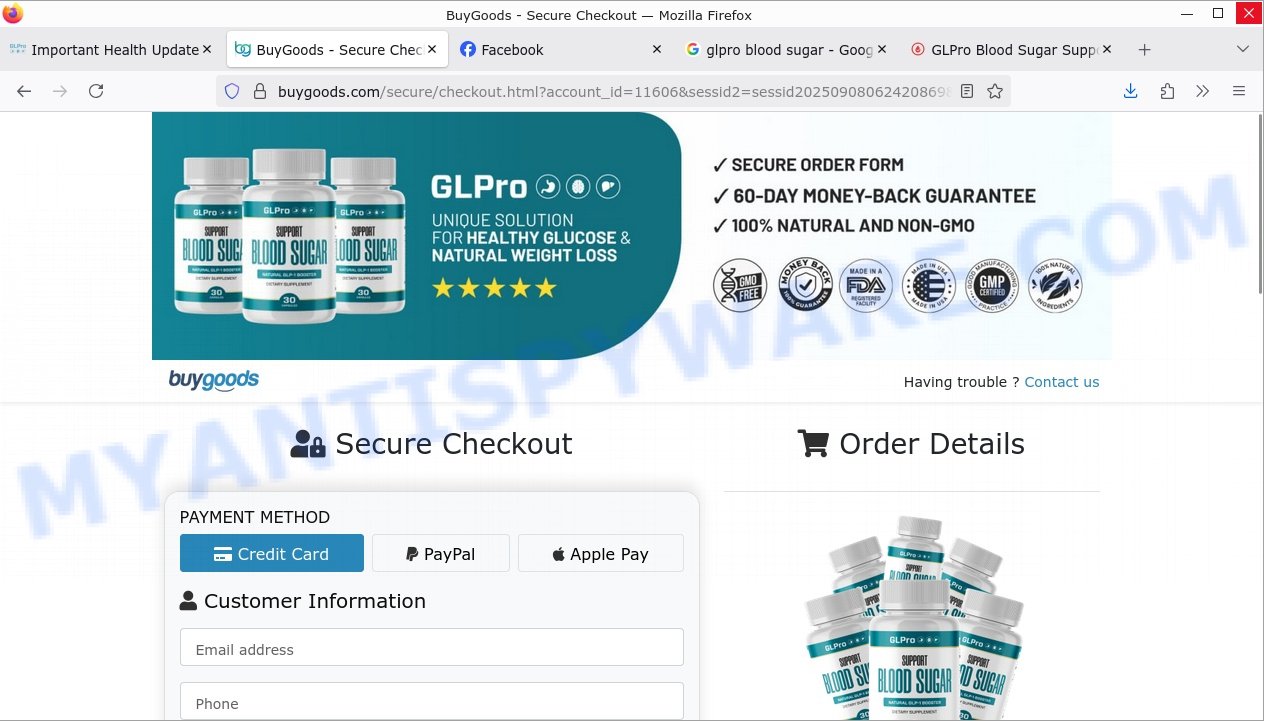

Table of Contents
🚨 Is JellyThin a Scam?
JellyThin, marketed as an Apple Cider Vinegar + Keto Gummies supplement, is promoted through a highly deceptive online scheme masquerading as a “pink gelatin hack” that claims to help users drop large amounts of weight rapidly and effortlessly. This marketing strategy relies heavily on fake social media-style video ads, misleading article pages, and aggressive sales funnels designed to exploit consumers searching for quick weight-loss solutions.
Key Red Flags:
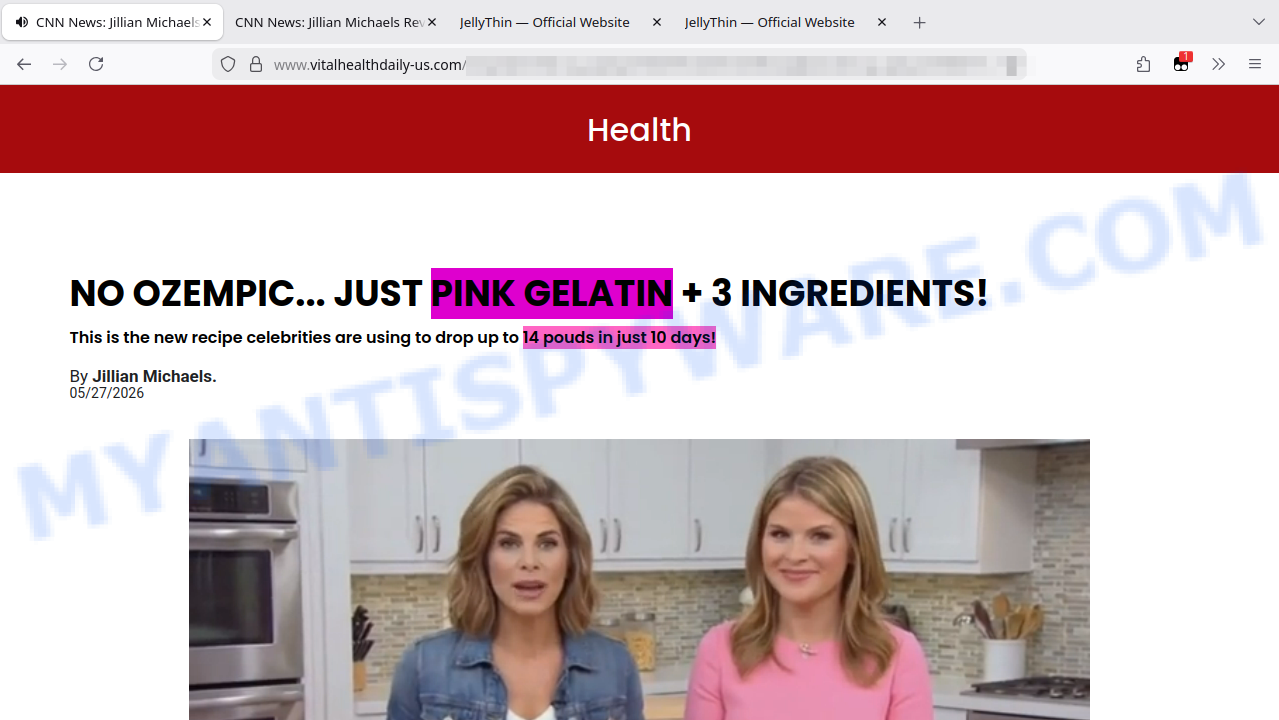
- 🌐 Fake Marketing Setup: Ads begin with social media-like videos leading to article-style landing pages on suspicious domains such as vitalhealthdaily-us.com, with calls-to-action pushing visitors toward JellyThin’s official pages and checkout at buygoods.com.
- 🎭 False Endorsements & Fabricated Testimonials: The landing pages claim the article is authored by celebrity Jillian Michaels with a date and show “social-style” comments and glowing testimonials that appear scripted or generated, lacking any independent verification.
- 🔍 Misleading “Pink Gelatin” Recipe Promise: Instead of delivering a simple recipe or natural remedy as promised by the videos and headlines, the pages transition abruptly into promoting JellyThin supplement gummies, a packaged product sold at a premium.
- 📰 Bogus Credibility Badges & Media Logos: The sales and landing pages feature logos of major news outlets (e.g., The New York Times, CBS, ABC, FOX, CNN) and scientific organizations (PubMed, NIH) without authorization. Small disclaimers note no actual affiliation, contradicting the implied endorsements.
- ⏳ High-Pressure Sales Tactics: Countdown timers, limited-stock notices, “Buy 4 Get 4 Free” offers, and urgency-driven banners push consumers to purchase impulsively, while checkout pages display “secure” badges that do not guarantee buyer protection.
- 💰 Expensive & Bundled Product Offers: JellyThin is sold at high prices ($89 per bottle for a single jar) with bundled discounts that still cost hundreds of dollars. Additional “digital bonuses” and free shipping pitches add to the pressure and illusion of value.
- 🕵️♂️ Hidden Ownership & New Domains: The official JellyThin website is newly registered with private WHOIS data, hiding ownership details. An unclaimed Trustpilot profile with zero reviews indicates a lack of verified customer feedback.
- ⚠️ Unauthorized Use of Jillian Michaels’ Name: The scam uses Jillian Michaels’ name and likeness without permission. She has publicly warned consumers about AI-generated scams misusing her image to promote fake weight-loss products.
🕵️♂️ How the Scam Operates
🚨 It’s a marketing trick where a simple “pink gelatin” recipe is promoted as a revolutionary fat-burning hack but is actually used to lure buyers into purchasing overpriced supplements with unproven benefits. 🔗 Step-by-Step Breakdown of the Scam:


🎯 Promoting with Fake Health Hacks
The scam begins with flashy social media-style video ads claiming a “pink gelatin trick” or “pink gelatin hack” that supposedly enables rapid weight loss without prescription drugs like Ozempic. These videos feature fake endorsements, such as alleged Jillian Michaels testimonials, and use before-and-after photos promising dramatic results.
📰 Creating Faux Health Articles
They set up convincing-looking “health article” landing pages, such as the one on www.vitalhealthdaily-us.com, attributed falsely to Jillian Michaels with fabricated publication dates. These pages mimic legitimate health news sites and include embedded videos, fake social comments, and user testimonials designed to build trust.
▶️ Misleading Video Presentations
Visitors are invited to watch a staged video demo that promises a simple pink gelatin recipe but never delivers a free or standalone recipe. Instead, the video call-to-action drives users to the JellyThin product page to buy the supplement gummies.
🏷️ Using Bogus Credibility Signals
The scam sites display unauthorized logos of reputable media outlets like The New York Times, CBS, and CNN to fake credibility. The product page touts badges such as “FDA Registered Facility,” “GMP Quality,” and “Natural Ingredients,” none of which are independently verified or genuinely associated with the product.
💰 Upselling and Price Manipulation
JellyThin prices are inflated: a single bottle costs around $89, with higher-priced bundles using “Buy 4 Get 4 Free” offers and countdown timers to pressure quick purchases. They promote freebies or bonuses (“The Keto Kickstart,” “The Jelly Diet”) to increase perceived value.
✍️ Fabricated Testimonials and Reviews
The pages show fake customer comments and social-style reviews praising the “pink gelatin hack” and supplement effectiveness. Profiles and comments are often generic or AI-generated, lacking any verifiable source or genuine user experience.
🛒 Complex Checkout Funnels
Checkout is processed by third-party platforms like buygoods.com with “secure checkout” badges and credit card logos to appear trustworthy. Urgency tactics such as “YOUR ORDER IS RESERVED FOR: 09:52” create false scarcity, pressuring customers to finalize purchases immediately.
🔍 Concealed Ownership and Domain Details
The official JellyThin domain is newly registered and privately owned, making it difficult to trace the real operators. WHOIS records show no legitimate business transparency, and Trustpilot reviews are nonexistent or unclaimed, signaling a lack of genuine customer satisfaction data.
In summary, the scam exploits trending diet hacks and celebrity endorsements to market an overpriced supplement that does not deliver on its extraordinary weight-loss claims. Its use of fake articles, misleading videos, false credibility badges, and aggressive sales tactics are classic signs of a fraudulent scheme. Consumers should be cautious, avoid purchasing from unfamiliar sources, and consult healthcare professionals before using such products.
😱 What to Do If Scammed
If you find yourself ensnared by the JellyThin Scam, immediate action is crucial. Here’s what you should consider doing:
🛑 Stop Further Transactions
The first step is to halt any additional transactions that might be in process. Contact your bank or credit card provider and inform them that you’ve fallen victim to a scam. They can help by blocking the card or reversing any unauthorized transactions.
📞 Report the Fraud
File a report with your local police and provide all the available evidence, such as screenshots, emails, and website URLs. Additionally, report the scam to online portals like the Better Business Bureau (BBB) at www.bbb.org or the Federal Trade Commission (FTC) at reportfraud.ftc.gov. If you’re in another country, reach out to your national consumer protection agency.
💻 Take Screenshots
Before the scam website gets taken down or changes, make sure to capture screenshots of your transactions and communications. These can serve as evidence if you decide to pursue legal action.
⚖️ Consult Legal Advice
Speak to a legal advisor about your situation. While pursuing legal action may be time-consuming and costly, it could be a possible avenue for recovering your lost money.
📢 Share Your Experience
Use social media platforms to share your experience and warn others about the scam. Your story could prevent someone else from falling victim to the same or similar scams.
Summary Table
| Factor | Observations | Impact on Legitimacy |
|---|---|---|
| Product Description | JellyThin is marketed as a weight-loss supplement combining Apple Cider Vinegar and Keto Gummies. The ads claim a “pink gelatin” hack that helps people lose a lot of weight quickly, but this “hack” is just a marketing story and not a verified method. | Negative (False claims and misleading product description) |
| Reviews and Testimonials | The landing page shows social-style comments and testimonials praising the product, but these are likely fake or fabricated. No real reviews or ratings are found on independent sites like Trustpilot, where JellyThin has no verified feedback. | Negative (Fake testimonials and lack of independent reviews) |
| Marketing Approach | The product is promoted through social media-style video ads and staged article pages pretending to be written by Jillian Michaels, a public figure who has denied involvement. The marketing uses urgency tactics like countdown timers and limited stock warnings to pressure buyers. | Negative (Deceptive marketing and high-pressure sales tactics) |
| Credibility Indicators | Landing and product pages display logos of news outlets and scientific organizations with no real connection to the product. Badges like “FDA Registered Facility” and “GMP Quality” are shown without proof, and disclaimers note no affiliations. | Negative (False credibility claims and misleading badges) |
| Pricing and Offers | JellyThin is sold in expensive packages with multi-bottle bundles and “free bonuses.” Checkout pages emphasize secure payment but use countdowns and pressure tactics. Prices are high and presented as limited-time deals. | Negative (Overpriced offers and pressure selling) |
| Website and Domain Information | The main product website was recently created and uses private registration to hide ownership. The landing page pretends to be a health article by Jillian Michaels with a current date, adding to suspicion of misuse and deception. | Negative (New and opaque website details raising trust issues) |
| Use of Public Figure | The campaign falsely uses Jillian Michaels’ name and image without permission. Jillian Michaels has publicly warned about scams using her likeness, confirming these claims are unauthorized. | Negative (Unauthorized use of celebrity identity) |
| Refund and Guarantee | Although a 60-day money-back guarantee is advertised, users often face problems claiming refunds. The guarantee may not be easy to enforce, and buyer protection is uncertain. | Negative (Unreliable refund promises) |
| Risks for Consumers | Customers risk losing money due to deceptive claims and hard-to-get refunds. Personal and payment info is collected on pressured sales pages, increasing the chance of unwanted charges or fraud. | Negative (Financial risk and privacy concerns) |
| Overall Reliability | The whole setup follows a common scam pattern using sensational health claims, fake endorsements, and aggressive sales tactics to sell an unproven product. Independent verification is lacking, and consumers should be cautious. | Negative (High risk of scam and low trustworthiness) |
Conclusion
The JellyThin “Pink Gelatin” Trick promotion is a classic scam exploiting fake testimonials, misleading celebrity endorsements, and deceptive marketing tactics to lure consumers into purchasing an overpriced supplement with unproven benefits. The scheme uses fabricated social media-style video ads and fake health article pages falsely attributed to Jillian Michaels to create a false aura of credibility and urgency.
Instead of delivering on the promised “pink gelatin” recipe or rapid weight loss results, the campaign funnels visitors into purchasing JellyThin gummies, an expensive product backed by no legitimate scientific evidence. The product and landing pages display unverifiable logos, fake media mentions, and misleading badges like “FDA Registered Facility,” “GMP Quality,” and “Natural Ingredients” to manufacture trust. The 60-day money-back guarantee and “secure checkout” assurances are common tactics to ease buyers, but refunds are often difficult to obtain.
Bottom Line: Avoid buying JellyThin or falling for the “pink gelatin” hack gimmick. Carefully research any weight-loss product or supplement, and never trust urgent sales claims supported by fake reviews, unauthorized celebrity endorsements, or newly created websites with private domain registration. Always consult a licensed healthcare professional before starting any new diet or supplement regimen.