Jelly Lean is a gummy supplement promising effortless weight loss through a mysterious “Jillian Michaels Gelatin Trick” that supposedly activates your body’s appetite-suppressing hormones—like a natural Ozempic or Mounjaro without side effects. But here’s the catch: this “trick” never truly gets revealed. Instead, you’re funneled through slick social media ads and fake news-style sites loaded with bogus celebrity endorsements, fake media logos, and pseudo-scientific jargon designed to reel you in.
The whole pitch is a classic bait-and-switch scam. You click on a “Jillian Michaels” whistleblower video promising insider secrets, only to be nudged toward shelling out hundreds for gummy bottles with zero real proof they work. Behind the scenes, these sites rely on fake viewer counts, counterfeit badges like “FDA Registered” and “GMP Certified,” and false testimonials—all to create the illusion of trust. The reality? No credible doctors or reputable media outlets back this product, and the celebrities named have publicly warned fans about scams misusing their images. Don’t fall for the hype: Jelly Lean is just another weight-loss gimmick dressed up with deception. Stay sharp and protect your wallet.
💡 Heads-up: Similar Scams Are Everywhere. Jelly Lean is not unique. It is one of many fake supplements, gadgets, and other schemes we expose in our Fact Checks section. All of them aim to grab your personal data or money. The people behind these scams run slick websites, spread bogus promo codes, and even pose as trusted brands or experts. Below are a few recent scams that follow the same playbook as Jelly Lean: GeeLemon Patch, Moneyfinderofficial.com, Automatic Cash Machine, JetHose Pressure Washer, Lmipki Nano Microneedle Patch.
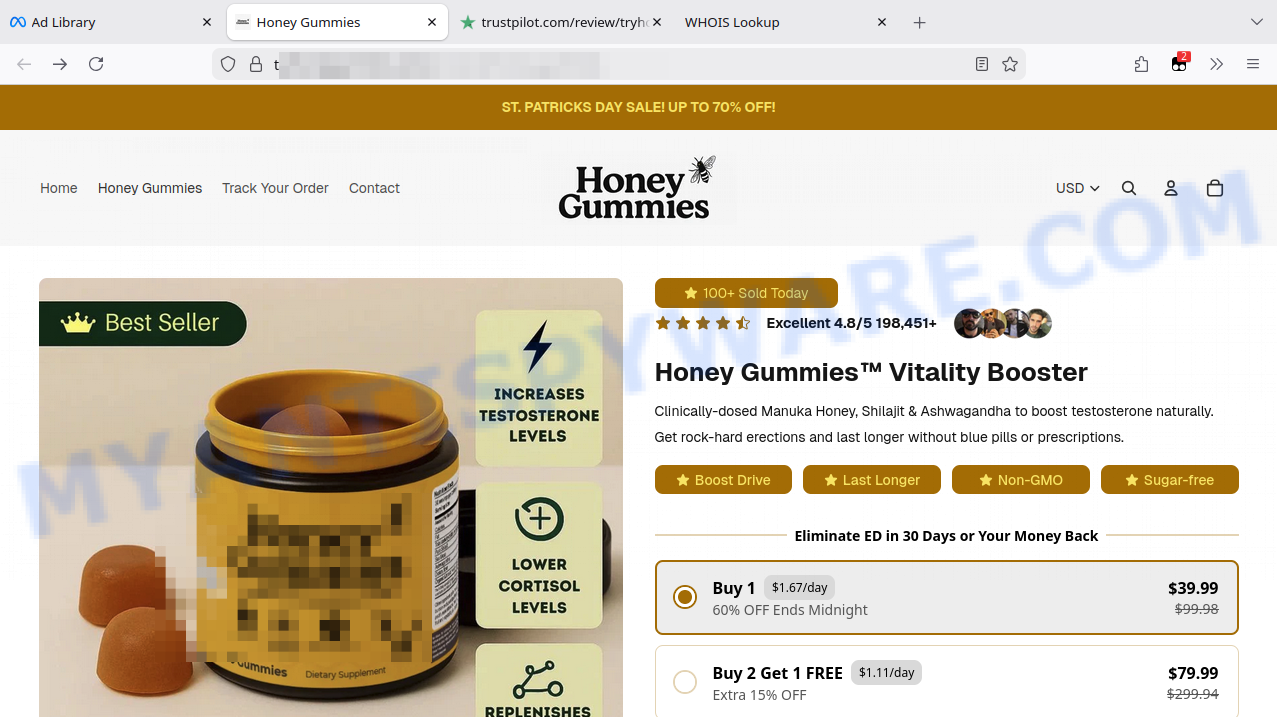

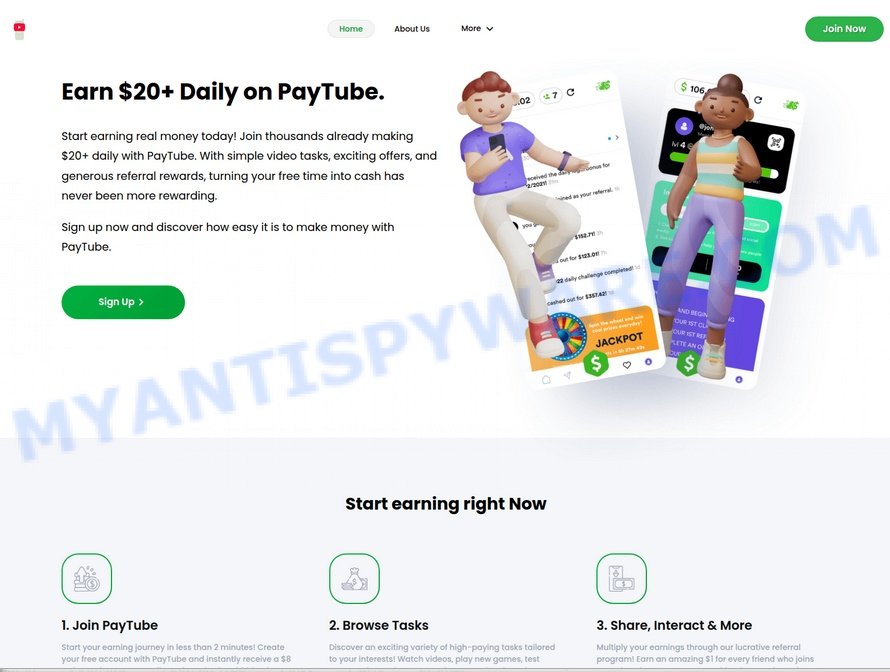
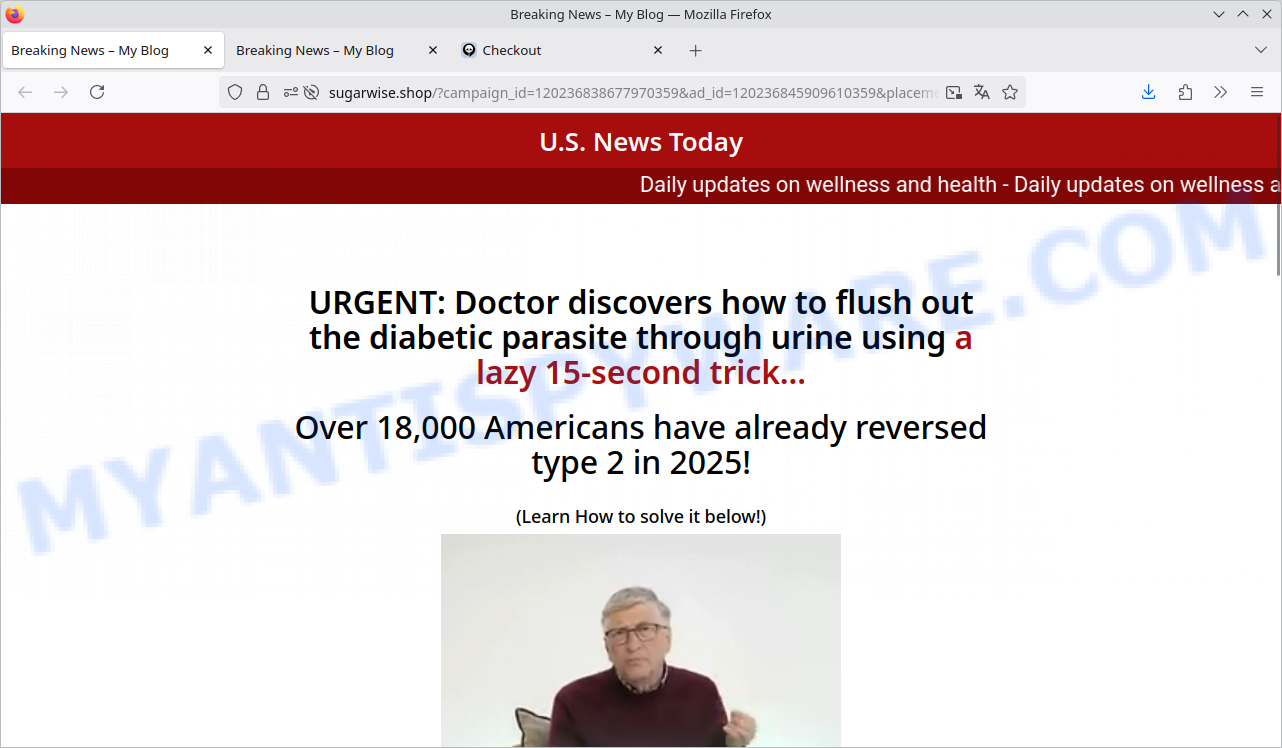
Table of Contents
🚨 Is Jelly Lean a Scam?
Jelly Lean is promoted as a gummy weight-loss supplement that supposedly contains a home “bariatric gelatin” recipe in an easy daily gummy. The marketing heavily relies on a so-called “Gelatin Trick” that claims to activate GLP‑1/GIP hormones and mimic prescription drugs like Ozempic or Mounjaro — but without side effects. However, this elaborate promotion is a deceptive scam using deepfake videos and fake endorsements to trick consumers.
How the Scam Works:
- 🎥 Fake Celebrity Endorsements: The ads feature manipulated video clips of Jillian Michaels using deepfake technology, falsely portraying her as the creator of the “gelatin recipe.” These fake endorsements lend an illusion of credibility but have been publicly denied by the celebrity herself.
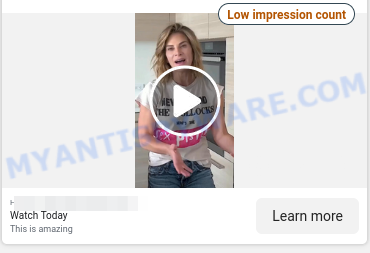
- 🌐 Misleading Social Media Ads: Short clips on Facebook and Instagram reels push users with urgent, whistleblower-style messages accusing “fake specialists” of hiding the true “bariatric gelatin” trick, urging viewers to watch a linked video.
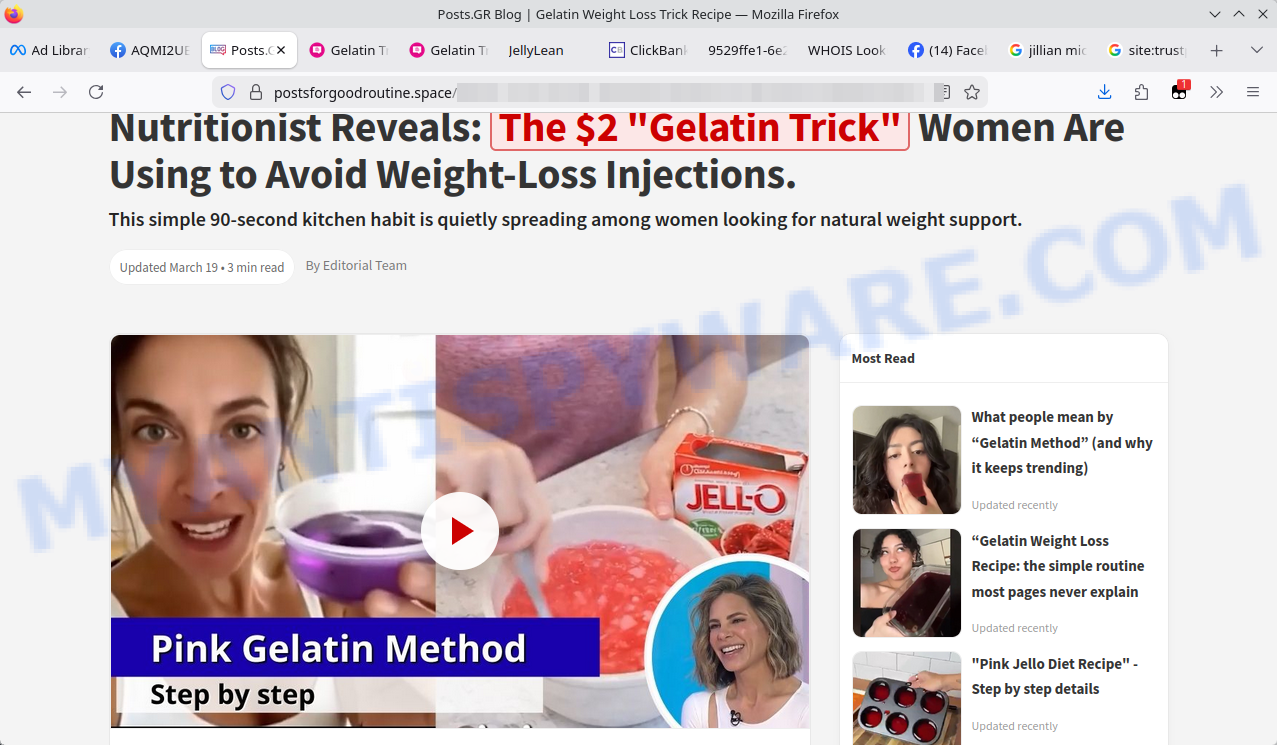
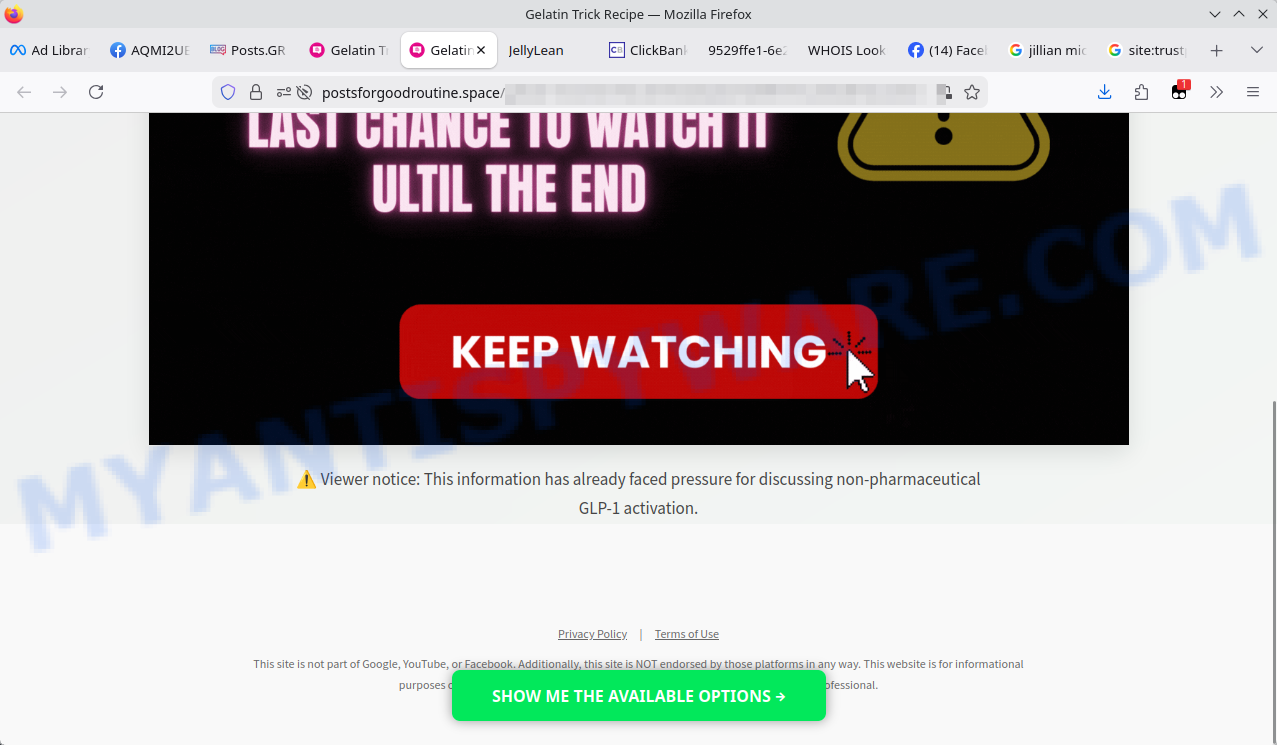
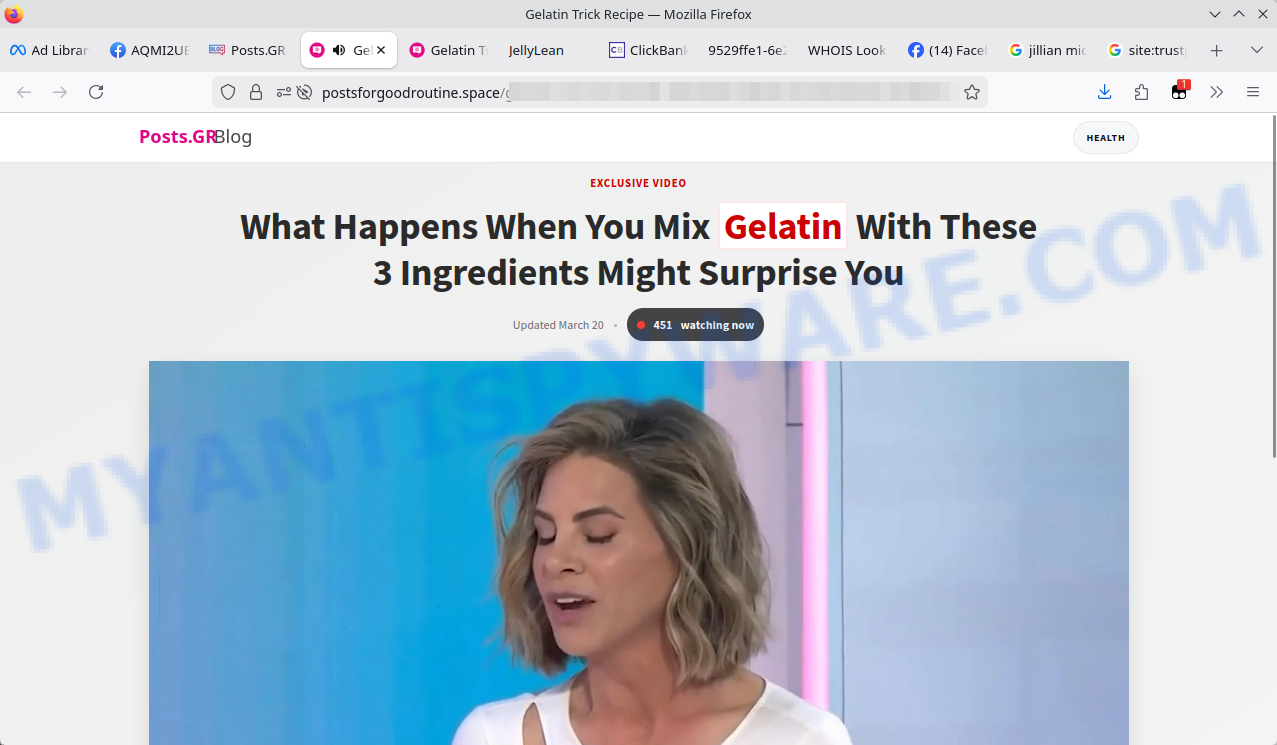
- 📄 Fake Article-Style Landing Pages: Users are directed to bogus blogs (e.g., postsforgoodroutine.space/gelatin-trick) designed to look like legitimate news or nutrition websites but filled with false claims, fake viewer counters, and staged exclusives.
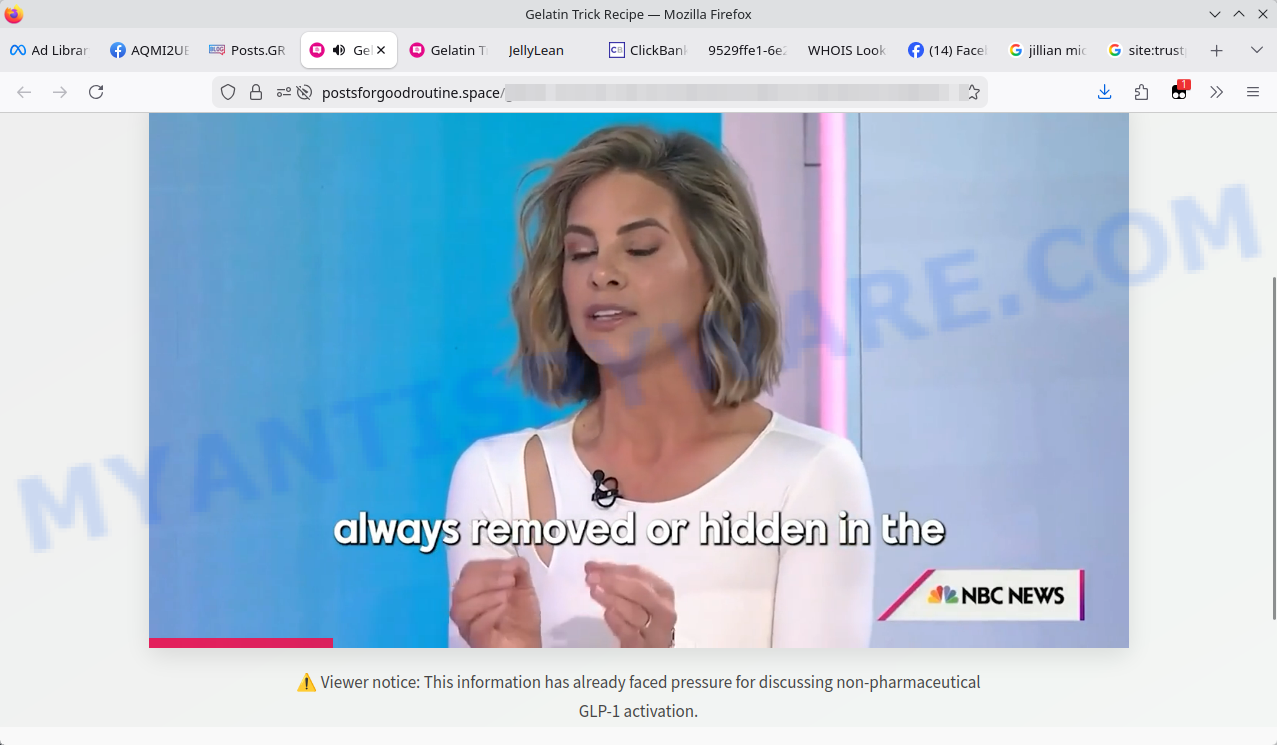
- 📺 Deceptive Video Presentations: Embedded videos mimic real TV shows (e.g., “TODAY WITH HODA & JENNA” with NBC logos) and bombard viewers with complex scientific jargon and fake research citations, funneling them toward a paid Jelly Lean gummy offer instead of revealing any actual “gelatin trick.”
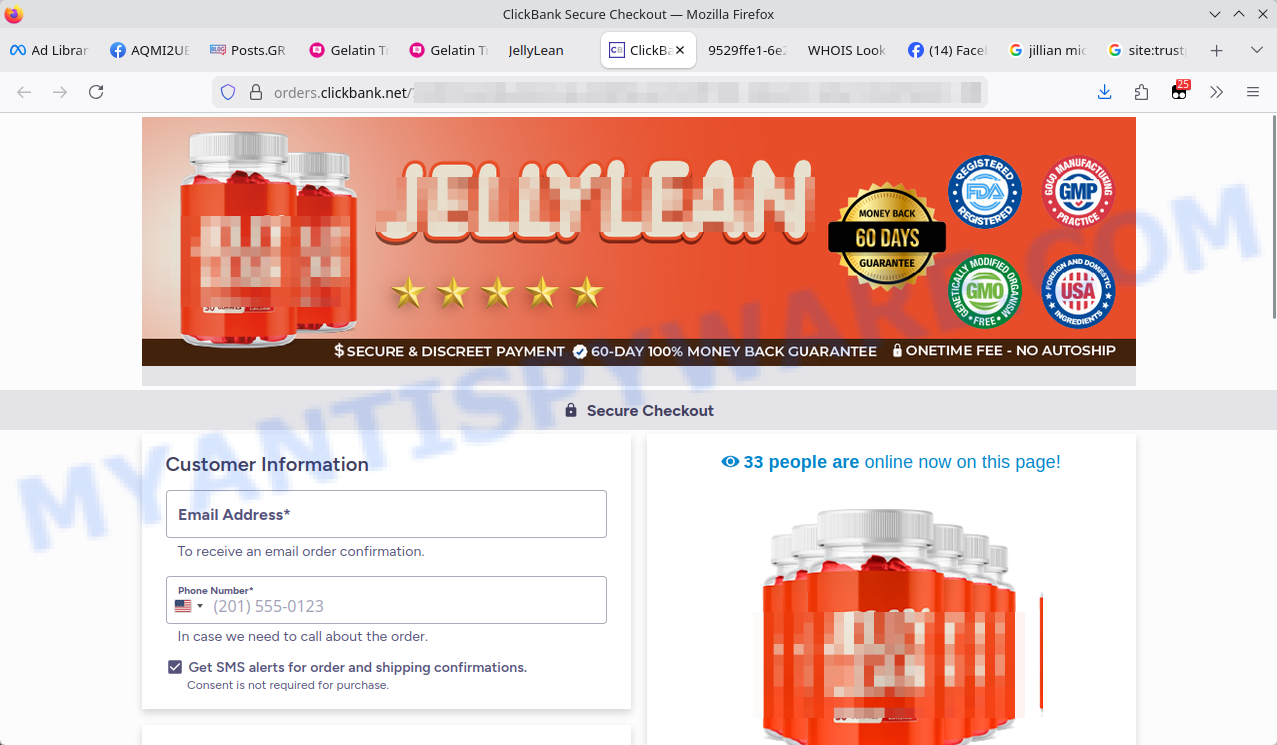
- 🔖 False Credibility Badges: The pages show fabricated logos from reputable sources, fake FDA, GMP badges, and purportedly high customer ratings to create a false sense of trustworthiness. However, these are mere marketing graphics without verification.
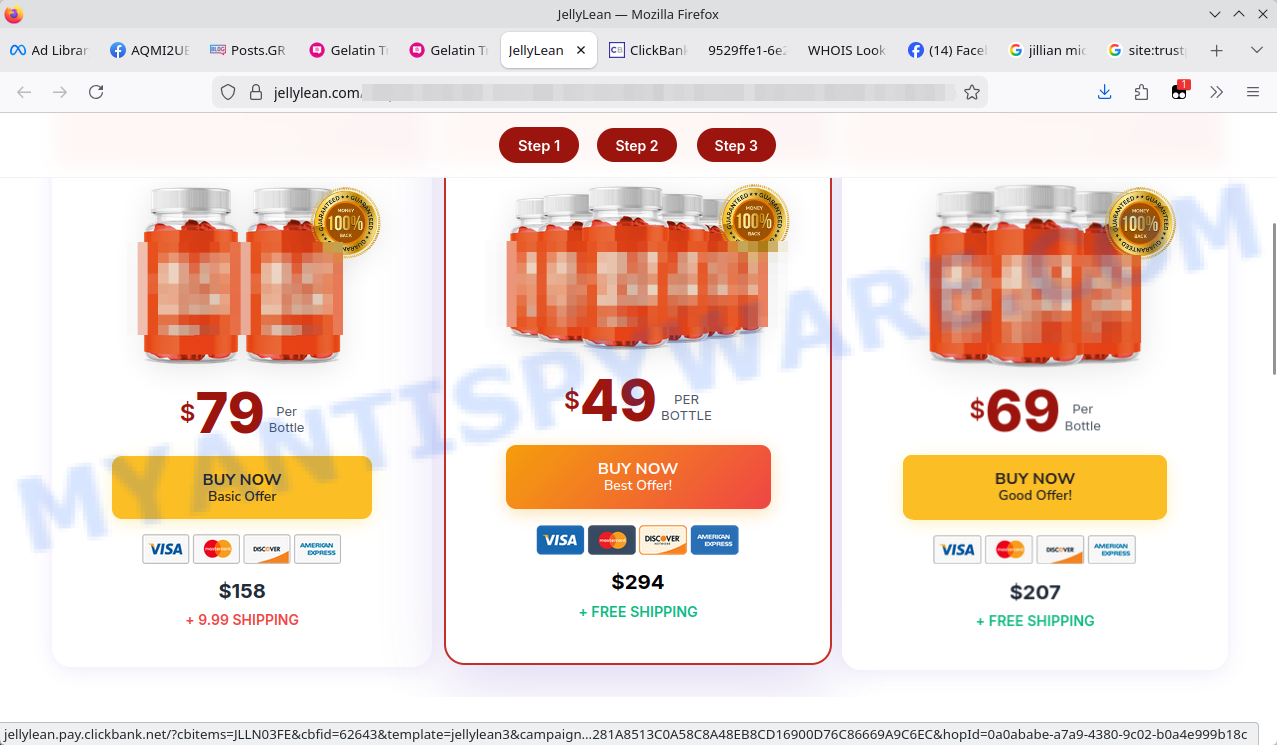
- 💰 Pressure Sales Tactics: The funnel pushes tiered packages of Jelly Lean gummies at inflated prices ($294 for 6 bottles) with urgent scarcity warnings such as “limited stock” and fake on-page counters showing “people online now,” aiming to rush impulsive purchases.
- 🔍 Hidden Risks: Checkout pages collect sensitive personal and payment information (email, phone, credit card) and may enroll buyers into recurring charges or misuse their data. Refunds are often difficult despite a stated “60-Day Money Back Guarantee,” which lacks independent enforcement.
🕵️♂️ How the Scam Operates
🚨 It is a deceptive weight-loss scheme that falsely markets gummy supplements as a revolutionary “bariatric gelatin” remedy for rapid, effortless fat loss. 🔗 Step-by-Step Breakdown of the Scam:
📲 Social Media Ads
The scam starts with short, catchy videos on platforms like Facebook and Instagram featuring a woman presented as “Jillian Michaels,” claiming she created an original gelatin weight-loss recipe. These ads use a whistleblower tone to accuse “fake specialists” of hiding the truth and push viewers to click immediately by promising quick, multiple-pound losses in days.
🕸️ Fake Landing Pages
Clicking the ads leads to professionally designed but fraudulent websites such as postsforgoodroutine[.]space. These pages pose as news or lifestyle blogs and feature “exclusive” articles and videos with headlines like “Nutritionist Reveals: The $2 ‘Gelatin Trick’ Women Are Using to Avoid Weight‑Loss Injections.” The pages use fake viewer counts and urgent language to add false credibility.
🎥 Misleading Video Content
Embedded videos mimic trusted TV segments (like NBC’s “TODAY with Hoda & Jenna”) and feature fabricated scientific jargon and testimonials. They reference hormones like GLP-1 and GIP, citing real but unrelated scientific studies and famous universities to appear credible. The video never reveals the promised “Gelatin Trick”; instead, it funnels users to paid Jelly Lean gummy purchases.
⚙️ Fake Credibility and Endorsements
The scam sites display unauthorized celebrity images, TV logos, and “scientific” seals (FDA Registered, GMP, GMO-Free, 60-Day Money Back) to mislead buyers. They feature fake social proof statistics (“415 watching now,” “9.8 Excellent! (76,015 reviews)”), but these are fabricated marketing elements, not real endorsements or reviews.
🛒 Purchase Offers and Pressure Tactics
The sales pages aggressively push multiple-package deals (2, 3, or 6 bottles) with high prices (e.g., $294 for six bottles) and use countdown timers and “limited stock” alerts to rush buyers into quick decisions. The checkout process through orders.clickbank.net collects full payment and personal data, including phone numbers for SMS marketing.
❌ No Real “Gelatin Trick” Provided
Despite all the hype, the promised free “Gelatin Trick” recipe or method is never disclosed outside of the paid product purchase. The gummies do not contain any special ingredients proven to trigger weight loss hormones or mimic prescription drugs like Ozempic or Mounjaro.
💸 Difficult Refunds and Poor Support
While the site promises a 60-day money-back guarantee, customers frequently report difficulty obtaining refunds. Contact emails and support channels are often unresponsive or fail to honor return requests, trapping buyers with ineffective supplements.
⚠️ Risks to Consumers
Providing credit card and phone data through the checkout may expose buyers to unwanted marketing, recurring charges, or even identity misuse. The use of fake endorsements, misleading scientific claims, and urgency tactics is designed to pressure consumers into costly purchases without proven benefits.
In summary, the scam deceives consumers by falsely advertising a miraculous “Gelatin Trick” weight-loss method packaged in gummies. It relies on fake celebrity endorsements, fabricated scientific claims, and urgent sales funnels to push an overpriced, ineffective product. Buyers should avoid providing payment or personal information to these sites and seek genuine, expert-verified weight-loss solutions instead.
😱 What to Do If Scammed
If you find yourself ensnared by the Jelly Lean Scam, immediate action is crucial. Here’s what you should consider doing:
🛑 Stop Further Transactions
The first step is to halt any additional transactions that might be in process. Contact your bank or credit card provider and inform them that you’ve fallen victim to a scam. They can help by blocking the card or reversing any unauthorized transactions.
📞 Report the Fraud
File a report with your local police and provide all the available evidence, such as screenshots, emails, and website URLs. Additionally, report the scam to online portals like the Better Business Bureau (BBB) at www.bbb.org or the Federal Trade Commission (FTC) at reportfraud.ftc.gov. If you’re in another country, reach out to your national consumer protection agency.
💻 Take Screenshots
Before the scam website gets taken down or changes, make sure to capture screenshots of your transactions and communications. These can serve as evidence if you decide to pursue legal action.
⚖️ Consult Legal Advice
Speak to a legal advisor about your situation. While pursuing legal action may be time-consuming and costly, it could be a possible avenue for recovering your lost money.
📢 Share Your Experience
Use social media platforms to share your experience and warn others about the scam. Your story could prevent someone else from falling victim to the same or similar scams.
Summary Table
| Factor | Observations | Impact on Legitimacy |
|---|---|---|
| Product Description | Jelly Lean is advertised as a gummy supplement that contains a “bariatric gelatin” recipe for weight loss. It claims to trigger natural hormones similar to prescription drugs like Ozempic or Mounjaro without side effects. However, the product does not reveal any real “gelatin trick” and relies on false promises to attract buyers. | Negative (False claims and lack of real information about the product) |
| Marketing and Ads | Advertisements use fake videos showing a woman presented as Jillian Michaels, made with deepfake technology. These ads create a false sense of urgency, accuse others of deception, and push users quickly to buy the product. The marketing uses unauthorized use of real media logos and celebrity images to seem credible. | Negative (Deceptive advertising and misuse of celebrity identity) |
| Landing Page and Website | The landing page looks like a news site with fake articles, viewer counters, and posted scientific studies to appear trustworthy. It pushes viewers towards a paid offer rather than providing any free helpful information. The site hides real company details and uses fake badges and reviews. | Negative (Fake news style, misleading content, and hidden company information) |
| Use of Celebrities and Media Logos | The product pages and videos show logos like NBC and names of celebrities and institutions (Jillian Michaels, Dr. Oz, Harvard, Stanford) without permission or real connection. The named celebrity has publicly warned about scams that misuse her image with AI-generated videos. | Negative (Unauthorized endorsements damaging credibility) |
| Customer Reviews and Social Proof | Displayed reviews and ratings are part of the marketing and seem fabricated. Viewer counters and online user numbers are fake and designed to pressure buyers into making quick decisions. | Negative (False social proof and misleading user data) |
| Price and Sales Tactics | Jelly Lean is offered in multiple packages with high prices and urgency messages about limited stock to rush customers. The checkout collects full payment and personal contact details with no clear proof of secure practices or legitimate refund processes. | Negative (Pressure selling and risk of unauthorized charges) |
| Payment and Data Security | The checkout is hosted on ClickBank and accepts common payment methods but asks for email, phone, card details, and SMS opt-ins. The domain info is hidden, and there is no clear guarantee of safe handling of customer data. | Negative (Questionable data privacy and payment security) |
| Refund Policy | Although there is a “60-Day Money Back Guarantee” image, the site offers no real proof or easy way to get a refund. Such guarantees are common in scams and often hard to use. | Negative (Misleading refund claims and difficult refund process) |
| Real Experts and Credibility | No verified doctors, nutritionists, or media outlets support this product. References to experts and institutions are only on the promotional materials without proof of real endorsement. Any similar names or brands should be treated as unrelated. | Negative (No genuine expert backing or media partnership) |
| Overall Trustworthiness | The whole promotion uses fake videos, misleading scientific claims, fake endorsements, pressure tactics, and hidden company data to sell a product that does not deliver what it promises. This is a common scam funnel designed to take money from buyers without real benefits. | Negative (High risk of fraud and consumer harm) |
Conclusion
The Jelly Lean “Gelatin Trick” is a fraudulent scam relying heavily on deepfake celebrity videos, fake endorsements, and deceptive marketing tactics to appear legitimate. Scammers misuse real clips of Jillian Michaels, digitally altering her voice and words via deepfake technology to falsely claim she created the “Gelatin Trick” recipe that supposedly triggers rapid weight loss without side effects.
Instead of providing any genuine health benefits, Jelly Lean uses fake social media ads, bogus news-style landing pages, and fabricated “scientific” explanations filled with buzzwords like GLP-1 and GIP activation to trick viewers into purchasing overpriced gummies. The website displays counterfeit credibility badges (FDA Registered, GMP Certified, GMO-Free) alongside forged logos of major TV shows and scientific journals to mislead consumers into trusting the product.
Bottom Line: Avoid Jelly Lean and do not trust any health claims promoted through these manipulative sales funnels. The promised “Gelatin Trick” is never genuinely revealed; instead, the funnel pushes buyers to make costly purchases under pressure through fake urgency and scarcity tactics. The celebrity endorsements and glowing reviews are entirely fabricated. Personal and payment information provided during checkout may be misused or compromised.