AquaFit is the “miracle” weight‑loss capsule being pushed all over the internet with a too‑good‑to‑be‑true story about a seven‑second “Ice Water Hack” that supposedly melts fat on autopilot. Our investigation looks past the feel‑good testimonials and glossy web pages to see what’s really going on behind this campaign. In simple terms, the subject of this research is how fake “simple tricks” and made‑up doctor stories are used to sell pills that have no solid proof behind them.

The AquaFit promo uses a familiar setup: a viral‑style social media video, a fake “health article” page that looks like news, and a long emotional video that keeps promising a free home recipe but slowly turns into a hard sell for expensive bottles. Along the way, the sellers stack the page with logos from real hospitals and journals, urgent countdown timers, “just bought!” pop‑ups, and thousands of unverifiable five‑star reviews to manufacture trust. Our findings show that the “ice water hack” itself is never properly explained or backed by real science; it’s just a story used as bait.
In this review, we break down how the AquaFit operation strings together social media bait, fake authority, and psychological pressure to push an unproven supplement. What we’re really studying here is a pattern of digital deception: the way scammers dress up ordinary capsules with made‑up science, borrowed credibility, and emotional scripts to separate people from their money.
💡 Heads-up: Similar Scams Are Everywhere. AquaFit is not unique. It is one of many fake supplements, gadgets, and other schemes we expose in our Fact Checks section. All of them aim to grab your personal data or money. The people behind these scams run slick websites, spread bogus promo codes, and even pose as trusted brands or experts. Below are a few recent scams that follow the same playbook: Lercea Meglutide Drops, Orivelle Nail Fungus Pen, STDEI GLP 1, GetDumbMoney.com, SMGT GLP 1 Nano Microneedle Patch.

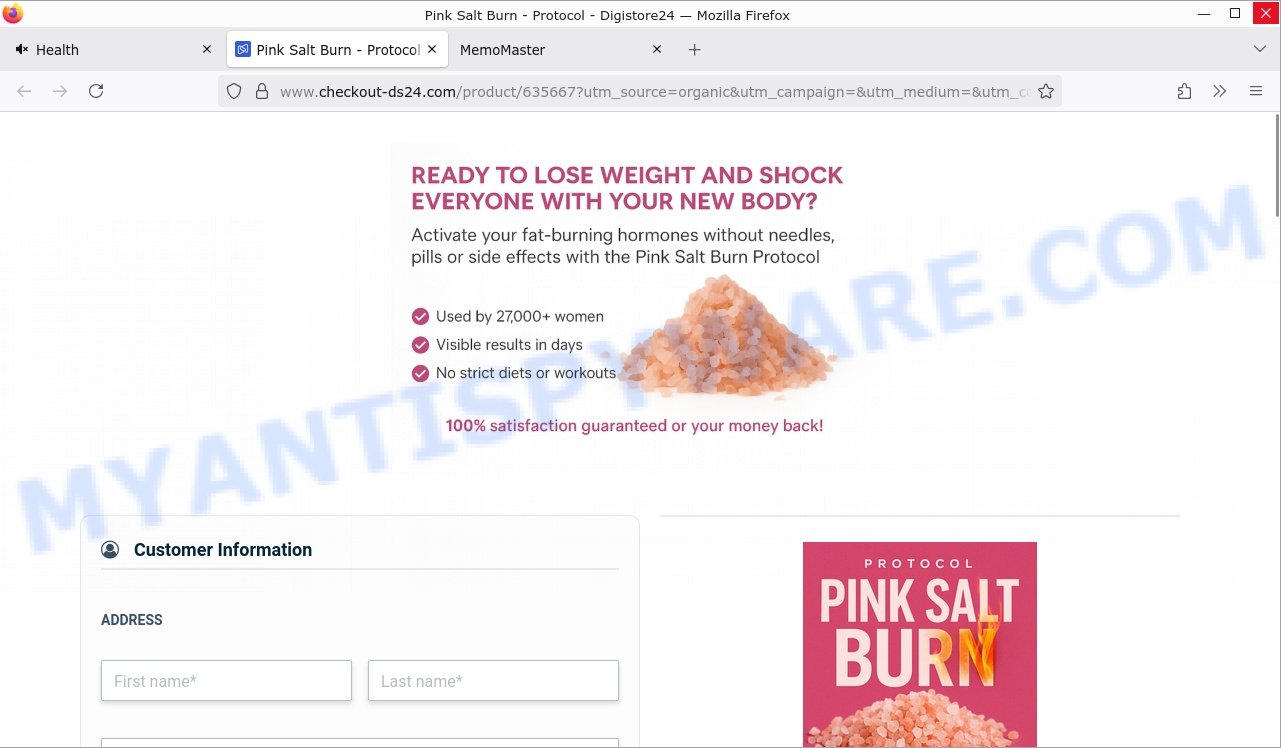
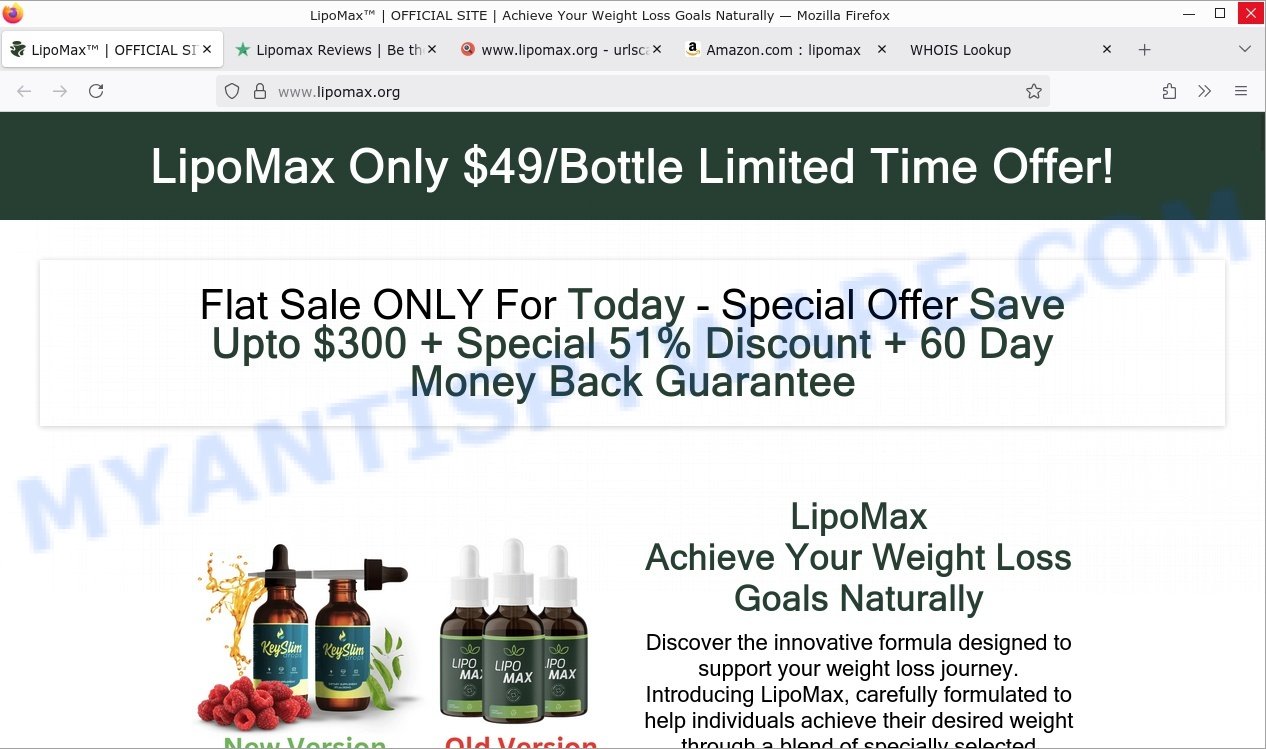
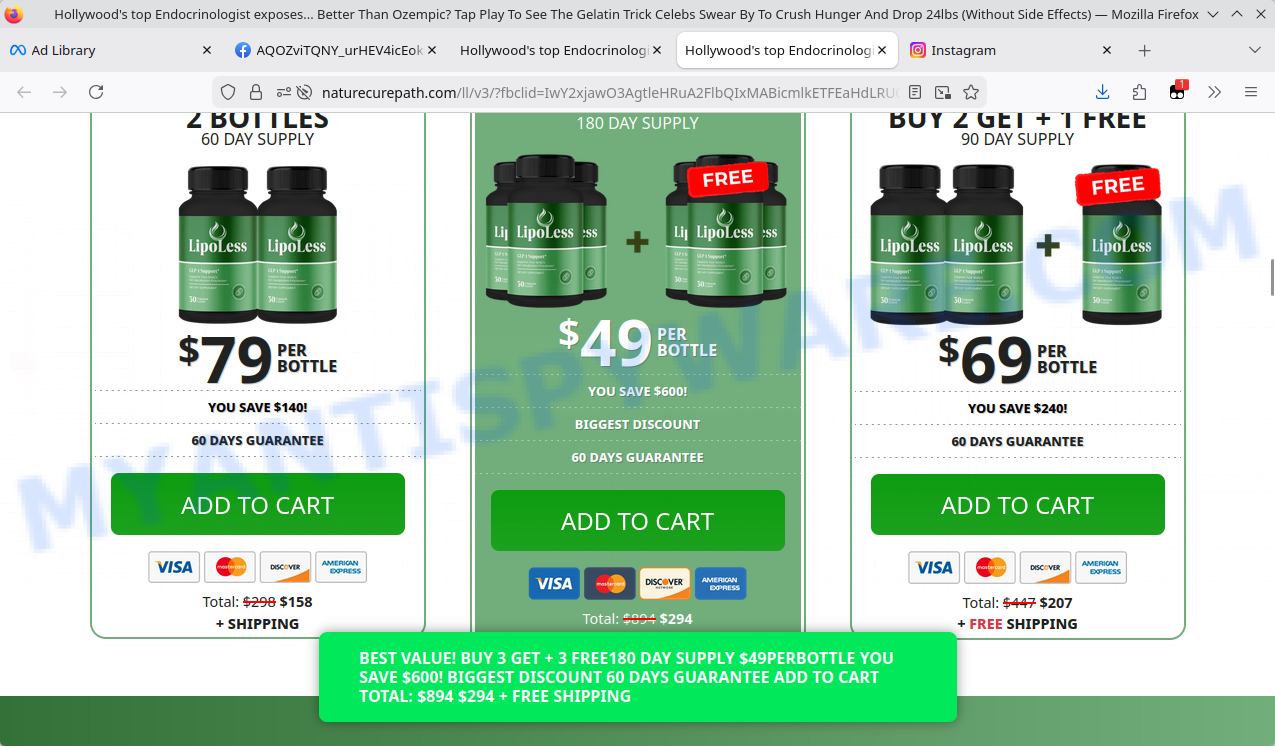
Table of Contents
🚨 Is AquaFit a Scam?
AquaFit is aggressively marketed as a miraculous weight-loss supplement based on a supposed “7-second Ice Water Hack” that claims to ignite metabolism and melt fat rapidly. This tactic uses viral-style social media ads and slick promo pages to lure consumers into purchasing capsules that lack credible scientific backing. Such marketing schemes are often deceptive and preying on the hope for effortless weight loss.
Key Red Flags:
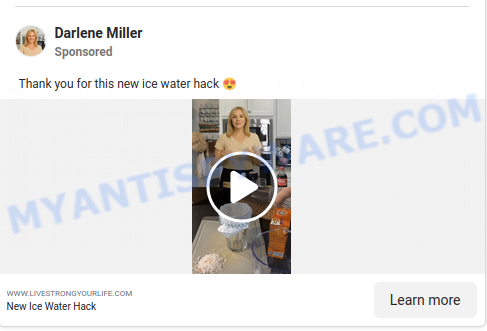
- 🌐 Deceptive Social Media Ads: AquaFit ads appear under fake profiles, such as “Darlene Miller,” pushing exaggerated weight-loss success stories with viral videos inviting users to “Learn more” about a simple ice water recipe that supposedly burns fat fast.
- ⭐ Fabricated Testimonials and Fake Urgency: The promo pages display glowing five-star reviews, “verified purchase” badges, countdown timers, and social proof popups, creating false pressure to buy quickly while pretending to be highly endorsed by other customers.
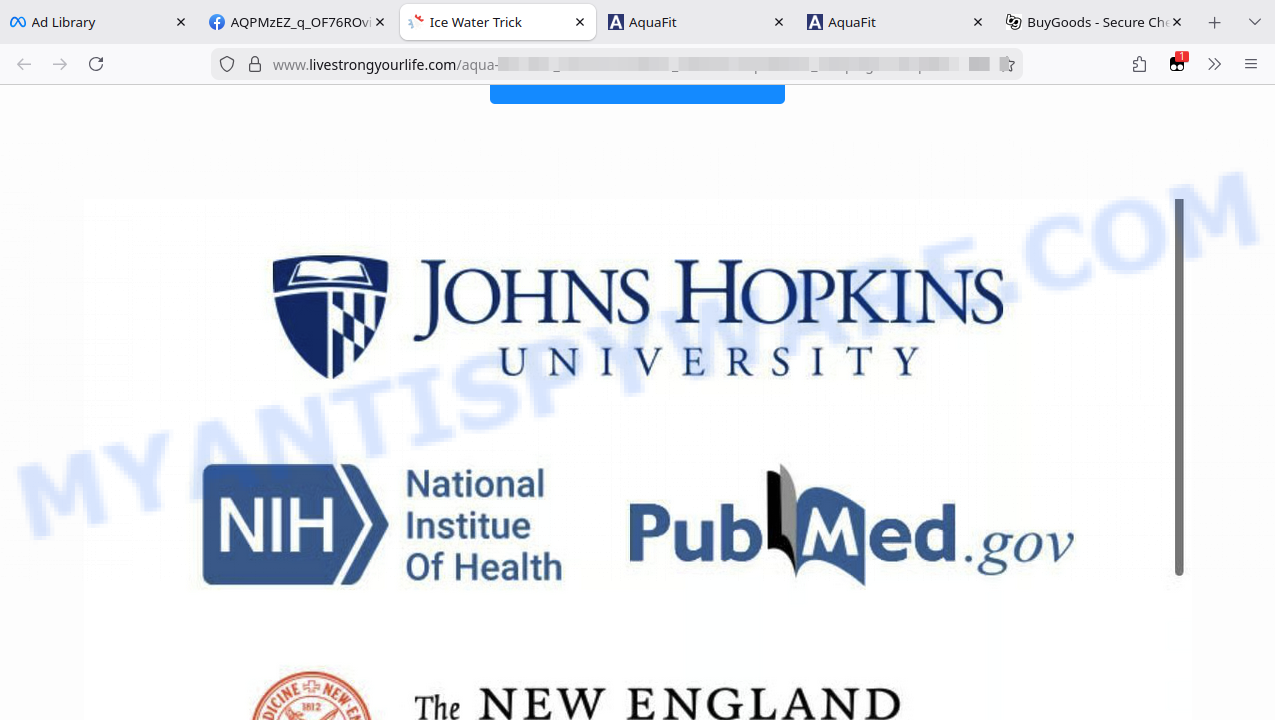
- 🔒 Misleading Use of Academic and Media Logos: AquaFit’s promo pages prominently display logos of Johns Hopkins University, NIH, PubMed, major news networks, and medical journals without any real affiliation or endorsement, falsely implying scientific validation or media coverage.
- ⚠️ Unsupported Health Claims: The product promises rapid fat loss through a 7-second ice water routine developed by a “Dr. Blaine,” but offers no verifiable clinical studies or peer-reviewed research to back these claims.
- 📉 Questionable Website Domains and Checkout Process: Visitors are funneled across multiple obscure domains before reaching checkout pages hosted on buygoods.com, with WHOIS data revealing recently created product domains registered in offshore locations—typical of scam operations.
- 👤 Fake Customer Interactions: The sales pages feature fake customer names, locations, and purchase alerts designed to build trust but lack third-party verification.
- 🔗 Risky Purchase Experience and Refund Difficulties: Despite promises of a “100% money-back guarantee,” numerous complaints from similar product funnels highlight poor customer service and problematic refund processes.
To Summarize, AquaFit’s marketing relies heavily on fabricated credibility, exaggerated claims, and manipulative sales tactics characteristic of online scams. The absence of legitimate scientific evidence and the use of misleading endorsements strongly suggest that AquaFit is not a genuine or reliable weight-loss solution. Consumers are strongly advised to avoid purchasing AquaFit and instead consult licensed healthcare professionals for safe and effective weight management strategies.
🕵️♂️ How AquaFit Operates
🚨 It promotes a fake “ice water hack” that supposedly melts away fat quickly—an unproven trick used to sell ineffective diet pills. 🔗 Step-by-Step Breakdown of the Scam:



🛒 Marketing Through Fake Social Media Ads
The scam begins with sponsored Facebook posts and viral-style videos featuring fake testimonials. These ads, like one from “Darlene Miller,” lure viewers by promising rapid weight loss using a simple ice water recipe combined with AquaFit capsules. The ads link to promotional sites such as livestrongyourlife.com.
🕸️ Creating Deceptive Landing Pages
Clicking the ads leads to landing pages designed to look like reputable health articles. These pages (e.g., livestrongyourlife.com) feature large play buttons inviting visitors to watch lengthy testimonial videos claiming a bizarre 7-second “Ice Water Hack” that reboots metabolism.
📢 Using Misleading Testimonials and Videos
On pages like dailyvitalenergy.com, long testimonial videos show supposed users and “experts” (like “Dr. Blaine” and “Paula Smith”) touting miraculous weight loss from the ice water hack and their AquaFit capsules. Despite promising free recipes and scientific proof, the videos ultimately push the purchase of the supplement.
💼 Faking Credibility With Logos and Reviews
The scam website displays logos of reputable institutions (Johns Hopkins, NIH, PubMed) and major media (Fox News, CBS), falsely implying endorsements. It also shows fake customer review scores (4.9/5 based on tens of thousands of reviews), “verified purchase” popups, and certification badges like GMP and ISO to create a false sense of trust.
💸 Using Urgency And Fake Discounts
The sales page uses timers counting down limited-time discounts and tiered packages (one bottle for $69, multi-bottle bundles cheaper per unit) to rush customers into purchasing without proper consideration.
🌟 Pushing Expensive Supplements With No Real Benefit
The product offered is a generic bottle of “AquaFit” capsules claiming to support fat loss through an ice water hack.
⚖️ Misleading Money-Back Guarantees
Though the site promises a “100% Money Back Guarantee” and asks customers to return even empty bottles to get refunds, these guarantees are rarely honored, making it virtually impossible to get your money back once you realize the product doesn’t work.
🔁 Negative Reputation and Warning Signs
Independent review websites show poor ratings for similar brands and many complaints about failed refunds and bogus claims. The professional-looking websites and review badges are designed to mask these warning signs.
In summary, the scam fabricates a fake “ice water” weight-loss hack to sell overpriced and ineffective capsules through misleading ads, fake testimonials, false endorsements, and hard-to-enforce refund policies. Consumers should avoid this product and conduct thorough research before buying any supplement promoted with unrealistic health claims online.
😱 What to Do If Scammed
If you find yourself ensnared by the AquaFit Scam, immediate action is crucial. Here’s what you should consider doing:
🛑 Stop Further Transactions
The first step is to halt any additional transactions that might be in process. Contact your bank or credit card provider and inform them that you’ve fallen victim to a scam. They can help by blocking the card or reversing any unauthorized transactions.
📞 Report the Fraud
File a report with your local police and provide all the available evidence, such as screenshots, emails, and website URLs. Additionally, report the scam to online portals like the Better Business Bureau (BBB) at www.bbb.org or the Federal Trade Commission (FTC) at reportfraud.ftc.gov. If you’re in another country, reach out to your national consumer protection agency.
💻 Take Screenshots
Before the scam website gets taken down or changes, make sure to capture screenshots of your transactions and communications. These can serve as evidence if you decide to pursue legal action.
⚖️ Consult Legal Advice
Speak to a legal advisor about your situation. While pursuing legal action may be time-consuming and costly, it could be a possible avenue for recovering your lost money.
📢 Share Your Experience
Use social media platforms to share your experience and warn others about the scam. Your story could prevent someone else from falling victim to the same or similar scams.
Summary Table
| Factor | Observations | Impact on Legitimacy |
|---|---|---|
| Product Description | AquaFit is sold as a weight-loss supplement linked to a simple “ice water” trick claiming to melt fat quickly by reactivating metabolism in 7 seconds. The product is pushed via online ads and videos promising fast, dramatic results but does not provide real scientific proof for these claims. | Negative (Unproven health claims and misleading promotion) |
| Marketing and Sales Process | The funnel starts with social media ads and leads users to landing pages with videos and testimonials pushing AquaFit capsules. Urgency tactics like countdown timers and special discounts pressure visitors to buy rapidly without clear information on product effectiveness. | Negative (High-pressure sales tactics and confusing marketing) |
| Use of Credibility Signals | The promo pages show logos of famous universities, health organizations, and major TV networks to appear trustworthy. They also display many glowing customer reviews and badges claiming certifications, but none are backed by verifiable evidence. This creates a false sense of legitimacy. | Negative (False or misleading use of trusted logos and fake reviews) |
| Product Pricing | The product is sold in multi-bottle bundles with prices ranging from $39 to $69 per bottle plus shipping. The page highlights discounts and bonuses to encourage larger purchases quickly. | Negative (Pricing designed to push higher-cost bundles quickly) |
| Domain and Company Information | The product website domain was recently created and linked to international registrant data that is not transparent. The sales use a third-party checkout platform but independent reviews for the product or website are absent or negative. | Negative (Lack of transparency and poor external reputation) |
| Refund and Customer Support | While a 100% money-back guarantee is claimed, customer feedback from related products suggests it may be hard to get refunds or resolve problems once purchased. | Negative (Refund policy likely difficult to enforce) |
| Safety and Scientific Backing | No real clinical studies or scientific proof support the “7-second ice water hack.” The product relies on testimonials and marketing stories instead of verified health data. | Negative (No scientific or medical proof for claims) |
| Website Transparency | The website uses staged reviews, fake social proof popups, and high-pressure messages. It hides important information about the product’s origin and company details. | Negative (Deceptive website content and lack of clear information) |
Conclusion
The AquaFit is a weight-loss supplemen that uses misleading ads and false claims, including the so-called “7-second Ice Water Hack.” The marketing campaign relies on viral-style social media posts, fabricated testimonials, and deceptive credibility signals to lure consumers into purchasing capsules that lack any proven effectiveness.
Instead of providing genuine, evidence-based methods for weight loss, the campaign promotes a fabricated “ice water” metabolism trick paired with AquaFit capsules, none of which have credible scientific backing. The promo pages falsely display logos from reputable institutions like Johns Hopkins University, NIH, and major news outlets—none of which have endorsed or tested this product. The reviews and “verified buyers” are suspiciously inflated, and badges claiming GMP, ISO, GMO-free status, and money-back guarantees are unverified at best.
Bottom Line: Avoid AquaFit and the “Ice Water Hack” marketing funnel entirely. The product is promoted with deceptive urgency timers, fake trust indicators, and unverifiable endorsements. Protect your personal and payment information by not engaging with these ads or promo websites. If something sounds too good to be true and depends on fake scientific claims and deceptive testimonials, it’s almost certainly a scam.