MemoPezil is being pushed as a miracle memory cure, but behind the “honey trick” and emotional Alzheimer’s stories lies a textbook online scam funnel built for maximum persuasion, not proof. Our investigation focuses on how this campaign weaponizes fake authority, borrowed brands, and fear-based messaging to turn a $30 bottle of pills into a “last hope” medical breakthrough.
The scam starts with sponsored social ads disguised as news, then drags users through a pseudo‑ABC “report,” a hype-filled video, and finally a CartPanda checkout page on an unrelated domain. Along the way, it hijacks the names of Bill Gates, Dr. Sanjay Gupta, Harvard, Yale, Emory, the FDA, CNN, and the National Institute on Aging—yet never provides a single verifiable citation, press release, or independent trial you can actually check. In essence, this scheme uses familiar trust markers (big logos, stock testimonials, fake comment counts, “FDA Approved” badges) to create the illusion of legitimacy while keeping everything under total marketer control.
What we’re really examining here is a repeatable deception pattern: a fake-news landing page + miracle health claim + manufactured urgency + offsite checkout = a high-pressure pipeline designed to separate worried families from their money. In the sections that follow, we’ll break down each moving part of this funnel, show how the lies are constructed, and explain the specific red flags you can use to spot the next “honey trick” before it drains your wallet.
💡 Heads-up: Similar Scams Are Everywhere. MemoPezil is not unique. It is one of many fake supplements, gadgets, and other schemes we expose in our Fact Checks section. All of them aim to grab your personal data or money. The people behind these scams run slick websites, spread bogus promo codes, and even pose as trusted brands or experts. Below are a few recent scams that follow the same playbook: Laurent Montier, MemoCore, Apple Student Rewards, BlxRewards.com, Google 5 Billionth Search.
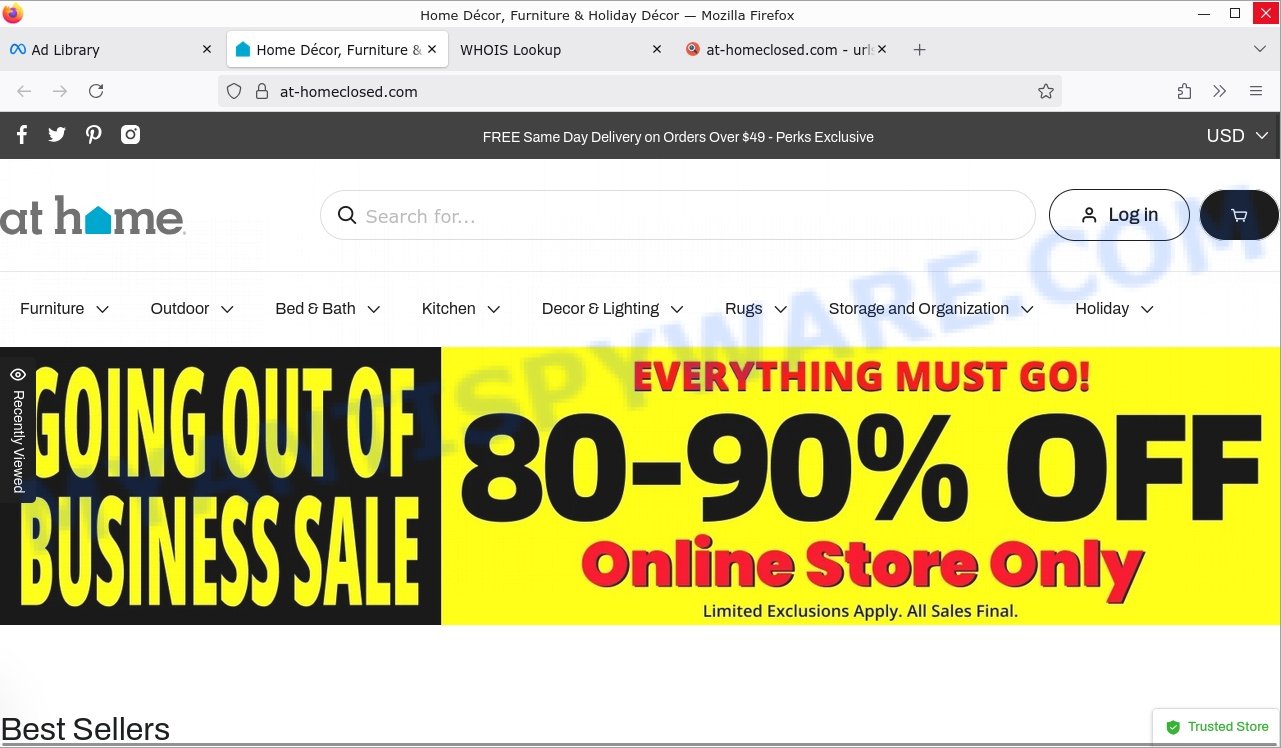
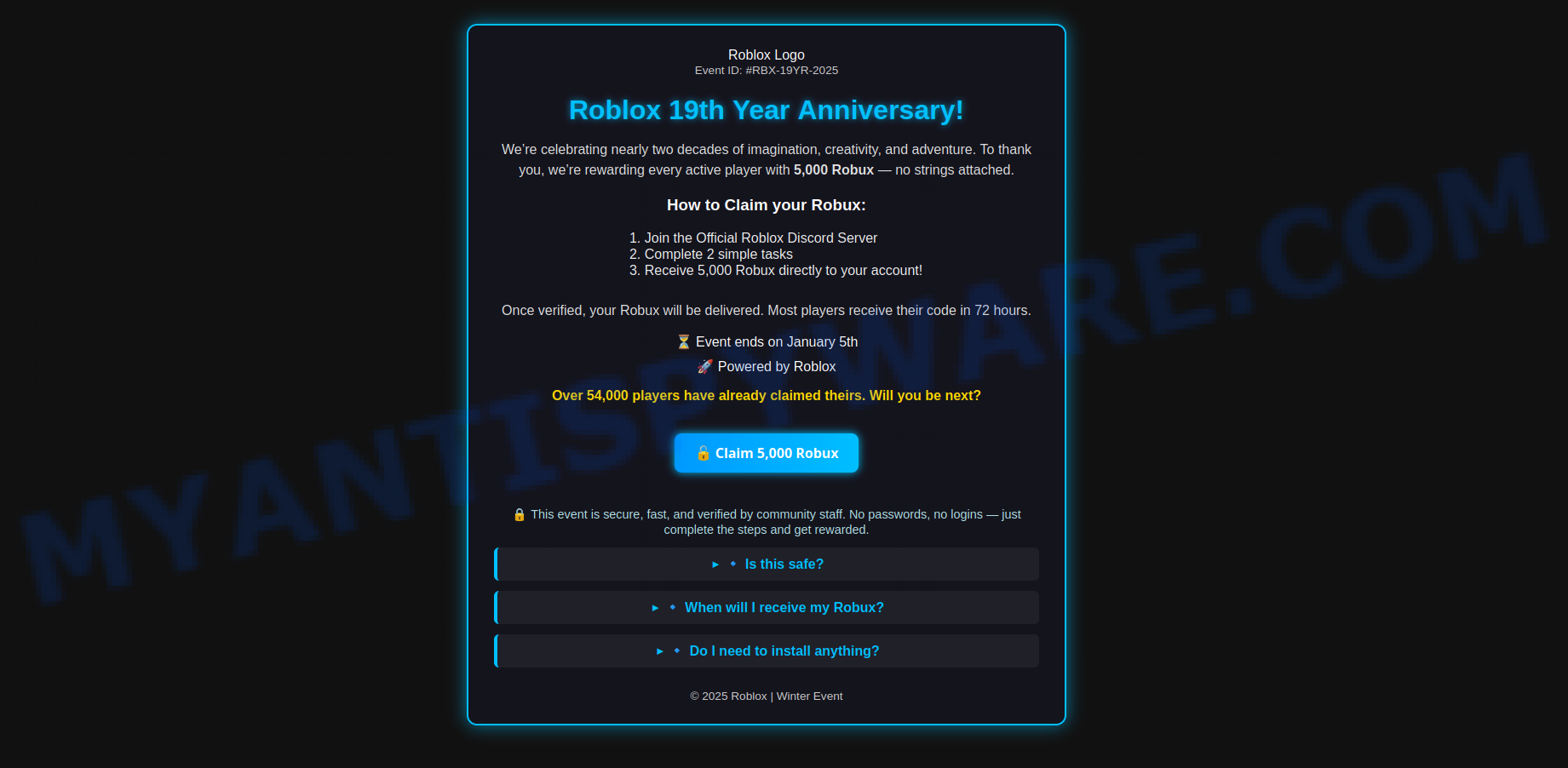
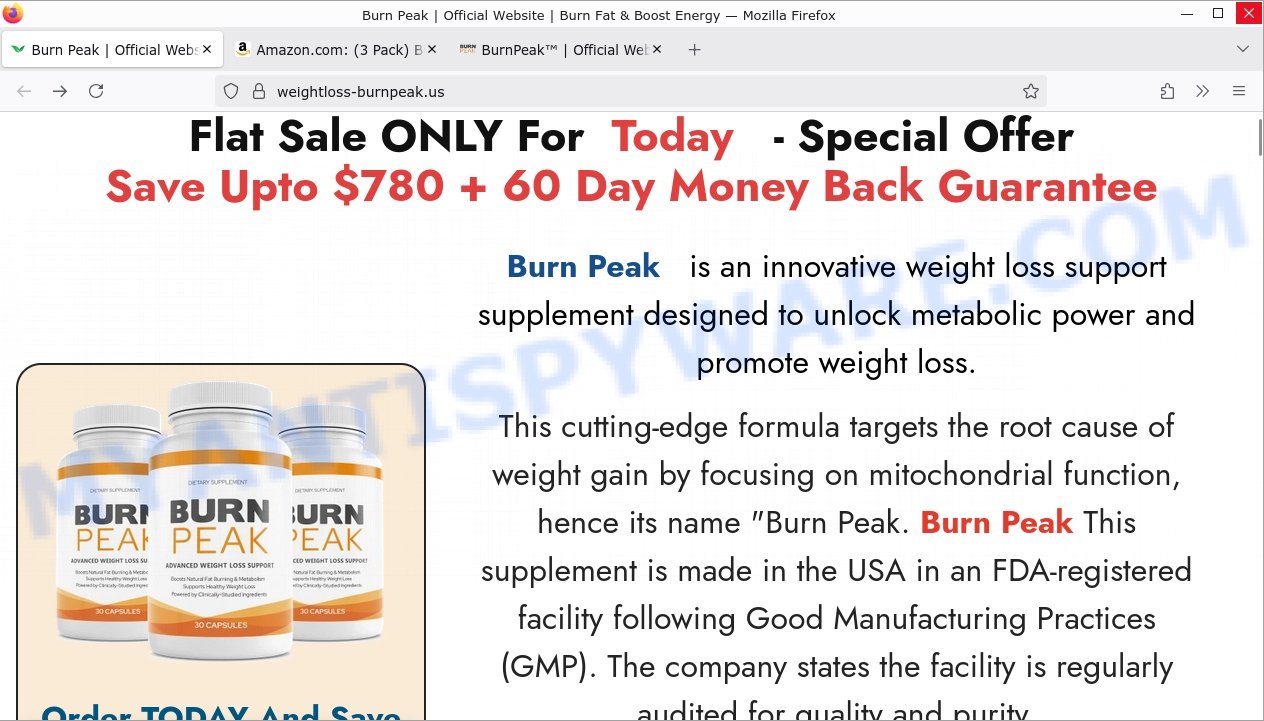
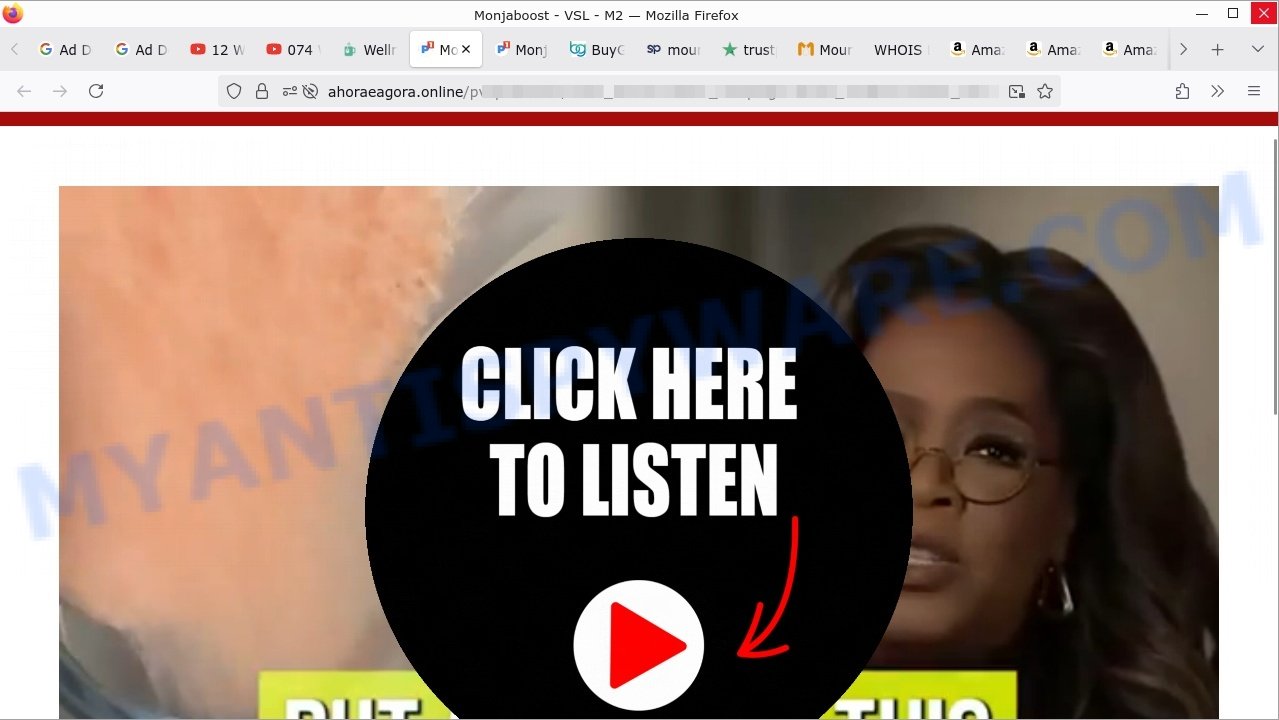
Table of Contents
🚨 Is MemoPezil a Scam?
MemoPezil is promoted as a brain-health and memory supplement that allegedly reverses memory loss and advanced Alzheimer’s using a simple “honey trick.” However, this product is marketed through deceptive tactics designed to mislead vulnerable individuals seeking quick cognitive improvements without credible scientific backing.
Key Red Flags:
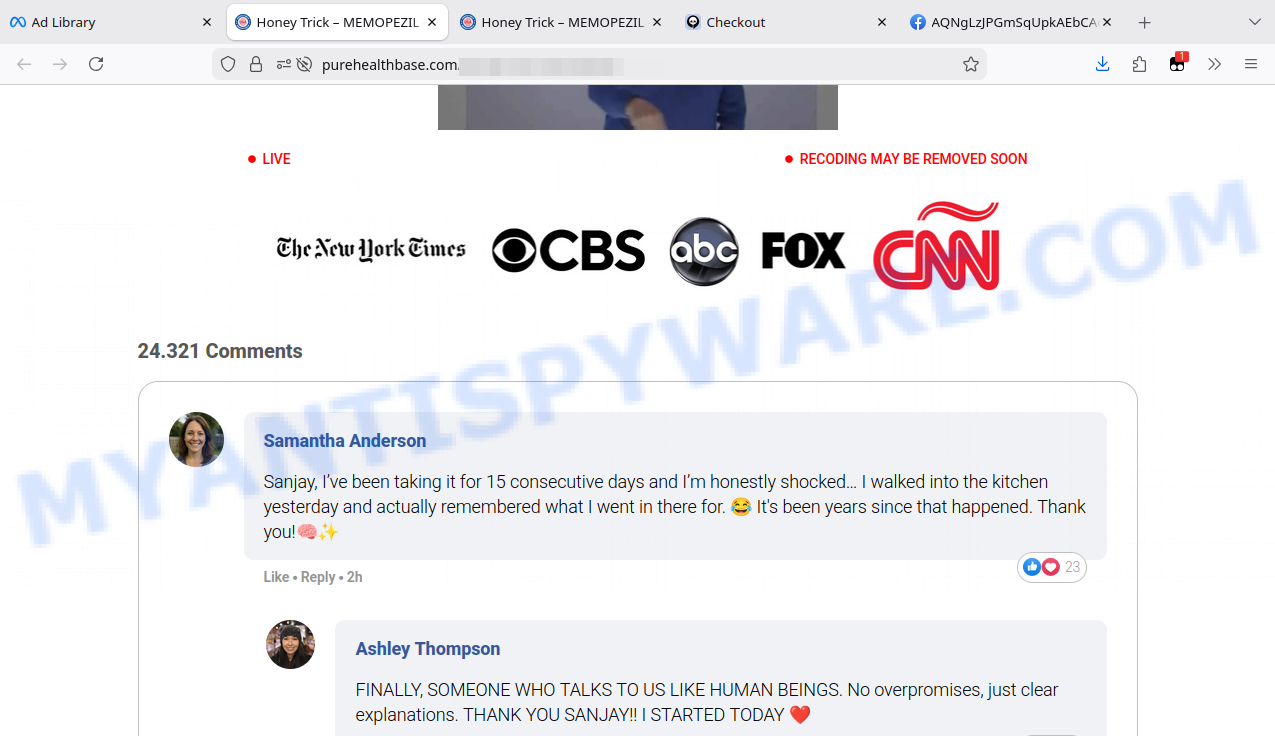
- 🌐 Fake Media Endorsements: MemoPezil’s sales page falsely displays logos from major media outlets like The New York Times, CBS, ABC, FOX, and CNN, and claims endorsements from Bill Gates, Dr. Sanjay Gupta, and institutions like Harvard and the National Institute on Aging. These endorsements cannot be independently verified and appear to be fabricated to create false credibility.
- ⭐ Fabricated Testimonials and Comments: The website features numerous user-style testimonials with fake names and profile photos alongside exaggerated praise, but no verifiable proof that these are authentic customer experiences.
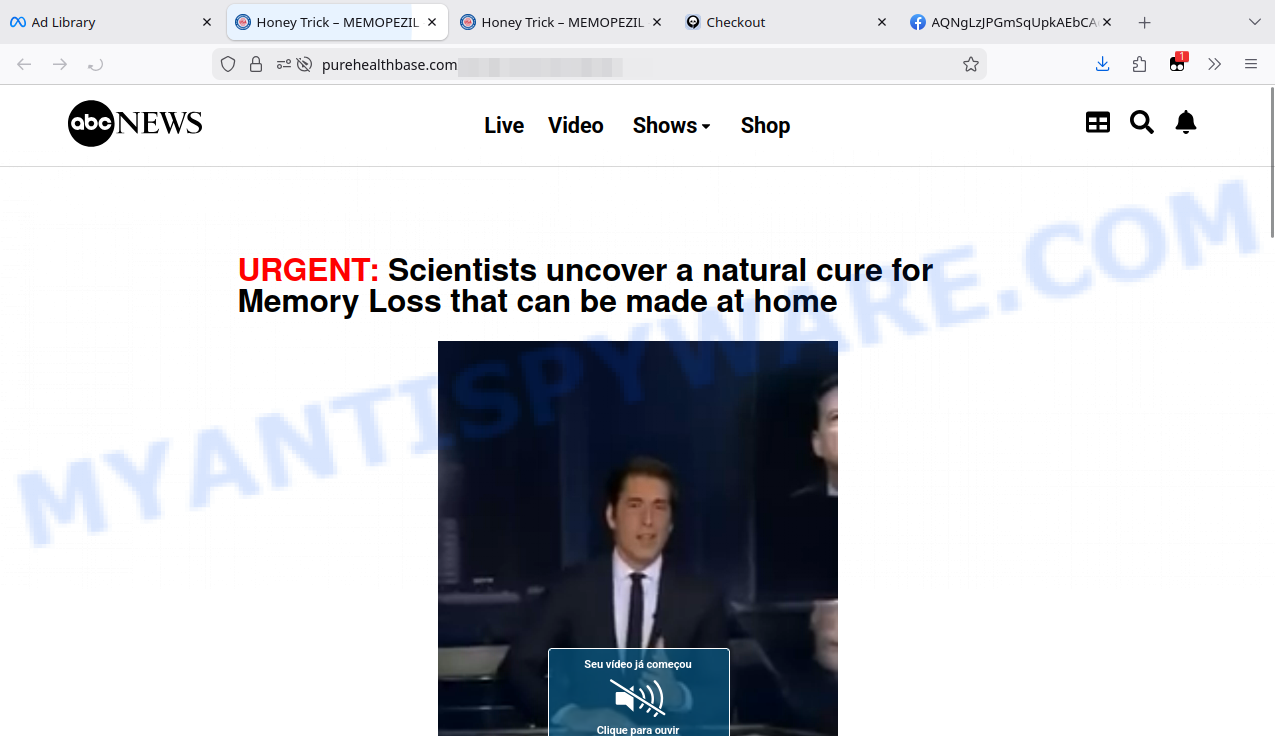
- 🔒 Misleading Website Presentation: The landing page mimics a legitimate news website, complete with “ABC NEWS” headers and copyright notices, yet is hosted on an unrelated domain (purehealthbase.com), indicating an attempt to appear trustworthy without genuine media affiliation.
- ⚠️ Unsubstantiated Health Claims: Claims of a “honey trick” reversing cognitive decline and Alzheimer’s, backed by supposed $500M investments, FDA recognition, and clinical trials at top universities, lack any verifiable scientific evidence and are classic hallmarks of deceptive marketing.
- 📉 Scam-Like Sales Funnel: The website uses pressure tactics such as countdown timers, low-stock alerts, and time-limited special offers to create a false sense of urgency and push impulsive purchases of MemoPezil packages.
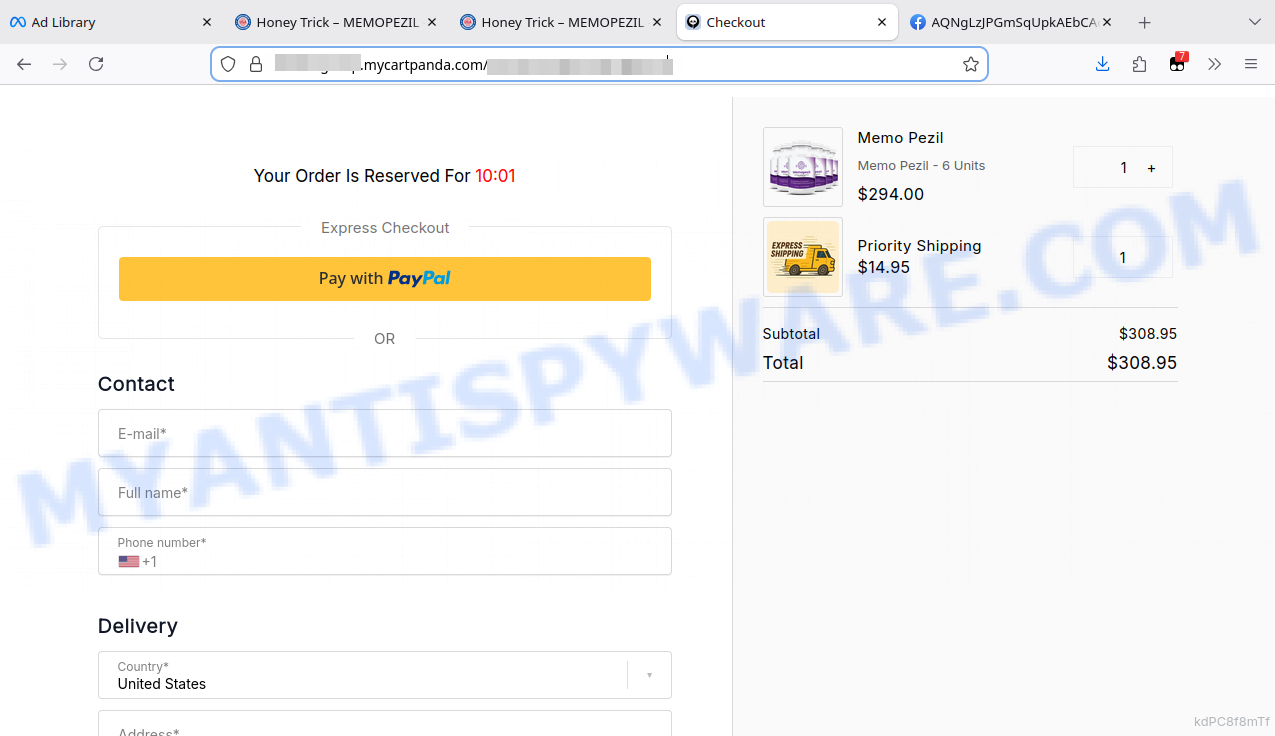
- 👤 Questionable Payment and Support: The checkout process redirects to a third-party platform (health-group.mycartpanda.com), with no transparent information about customer service or refund guarantees, exposing consumers to potential financial risks.
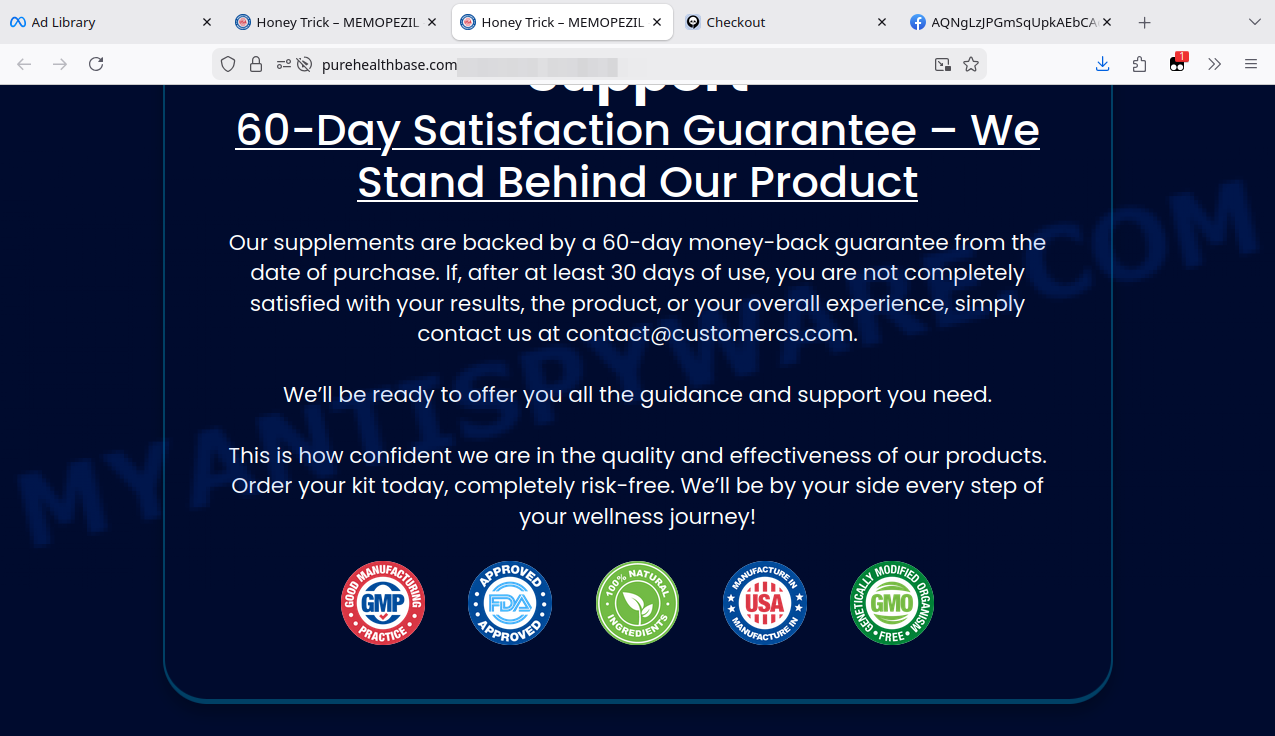
- 🔗 False Product Quality Claims: The page displays badges like “FDA Approved,” “GMP Certified,” and “100% Natural Ingredients,” but provides no valid documentation or regulatory confirmation supporting these certifications.
In summary, MemoPezil’s marketing relies on fake celebrity endorsements, misleading media mimicry, unverified testimonials, and exaggerated health benefits to promote a product with no substantiated efficacy or official approval. Consumers are strongly advised to avoid MemoPezil and to seek cognitive health advice from qualified healthcare professionals rather than falling prey to such deceptive schemes.
🕵️♂️ How the “Honey Trick” Scam Operates
🚨 This scam falsely claims that a simple honey-based home remedy combined with the MemoPezil supplement can reverse memory loss and Alzheimer’s disease quickly. 🔗 Step-by-Step Breakdown of the Scam:
📱 Trick #1: Social Media Sponsored Ads
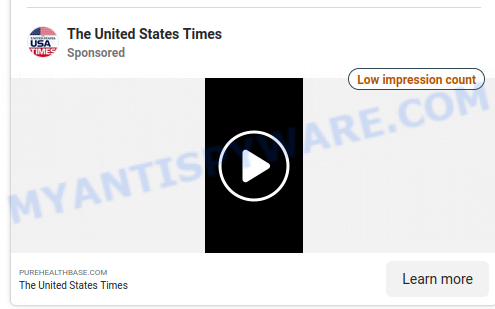
The scam starts with emotional, alarmist sponsored social media posts from fake sources like “The United States Times.” These ads claim that an active compound in honey can “reverse cognitive decline” and urge viewers to “Watch Now” to learn about the “honey trick,” playing on fears about dementia and Alzheimer’s.
🌐 Fake News-Style Landing Page
Clicking the ad leads to a site like purehealthbase.com that mimics a trusted news outlet with logos (ABC News) and headlines such as “URGENT: Scientists Uncover a Natural Cure for Memory Loss That Can Be Made at Home.” However, the site is not affiliated with any real news organizations and lacks verifiable authors or sources.
🎥 Misleading Video Presentation
A long embedded video rounds out the story with fabricated claims: a Bill Gates $500 million investment, fake FDA approval, supposed Harvard, Yale, and Emory clinical trials, and endorsements from public figures like “Dr. Sanjay Gupta.” The video pushes the “honey trick” myth and promotes the MemoPezil supplement product aggressively.
📰 Fake Credibility Boosters
The site floods the page with major media logos (CNN, FOX, New York Times) and references to national institutes to feign authority. It also displays phony user testimonials, comment counts, and seals like “FDA Approved,” “GMP Certified,” and “100% Natural,” none of which can be independently verified.
💰 High-Pressure Product Offers
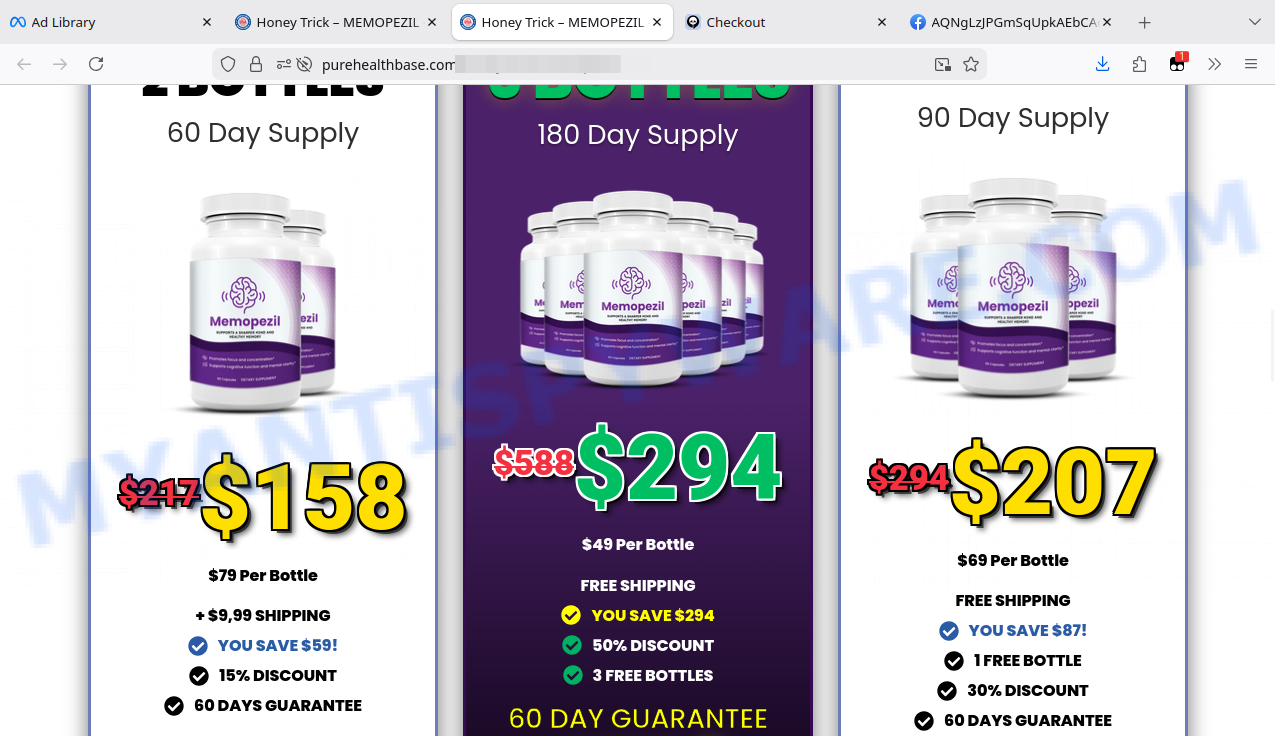
MemoPezil is sold in kits priced steeply for what is essentially a worthless supplement: $158 for two bottles, $207 for three, and $294 (down from a fake price of $588) for six bottles. The checkout shows countdown timers and low-stock warnings to pressure buyers.
💳 Checkout via Third-Party Processor
Purchase redirects to checkout sites like health-group.mycartpanda.com, which claim to use bank-level encryption but offer no evidence of secure buyer protection. Buyers provide personal and payment information under rush conditions, vulnerable to fraud or misuse.
🚫 No Proven Scientific Backing
Despite citing “clinical trials” and “FDA approval,” none of these claims have verifiable scientific documentation. The purported medical endorsements from Bill Gates, Dr. Sanjay Gupta, major universities, or news outlets are fabricated or misused.
In summary, MemoPezil “Honey Trick” is a typical online health supplement scam exploiting those worried about cognitive decline. The slick marketing, fake media branding, celebrity name-dropping, and emotional appeals mask the lack of real science and legitimate product value. Protect yourself by ignoring sponsored social ads for miracle cures and consulting trusted healthcare professionals instead.
😱 What to Do If Scammed
If you find yourself ensnared by the MemoPezil Scam, immediate action is crucial. Here’s what you should consider doing:
🛑 Stop Further Transactions
The first step is to halt any additional transactions that might be in process. Contact your bank or credit card provider and inform them that you’ve fallen victim to a scam. They can help by blocking the card or reversing any unauthorized transactions.
📞 Report the Fraud
File a report with your local police and provide all the available evidence, such as screenshots, emails, and website URLs. Additionally, report the scam to online portals like the Better Business Bureau (BBB) at www.bbb.org or the Federal Trade Commission (FTC) at reportfraud.ftc.gov. If you’re in another country, reach out to your national consumer protection agency.
💻 Take Screenshots
Before the scam website gets taken down or changes, make sure to capture screenshots of your transactions and communications. These can serve as evidence if you decide to pursue legal action.
⚖️ Consult Legal Advice
Speak to a legal advisor about your situation. While pursuing legal action may be time-consuming and costly, it could be a possible avenue for recovering your lost money.
📢 Share Your Experience
Use social media platforms to share your experience and warn others about the scam. Your story could prevent someone else from falling victim to the same or similar scams.
Summary Table
| Factor | Observations | Impact on Legitimacy |
|---|---|---|
| Product Description | MemoPezil is marketed as a brain health supplement that claims to reverse memory loss and Alzheimer’s using a “honey trick.” It alleges strong benefits and endorsements, but these claims lack real scientific proof and use misleading language to persuade buyers. | Negative (Unproven health claims and misleading description) |
| Marketing Channels | The product is promoted via social media ads appearing to be news posts. These ads use emotional and alarming messages about brain decline to drive people to a sales page disguised as a news site, aiming to gain trust unfairly. | Negative (Deceptive advertising and fake news style) |
| Website and Landing Page | The sales page pretends to be from ABC News with fake news styling, and includes logos of well-known media outlets and organizations. However, the site domain is unrelated and no real news sources or authors are credited. This is to create a false sense of credibility. | Negative (Fake news presentation and lack of transparency) |
| Endorsements and Claims | The page falsely claims endorsements from Bill Gates, Dr. Sanjay Gupta, major universities, and agencies like the FDA and National Institute on Aging. No verified evidence supports any of these claims in the provided content. | Negative (False endorsements and misleading authority misuse) |
| User Testimonials and Social Proof | The site shows many user comments and testimonials with names and photos, but these appear to be staged and fabricated to boost trust without real customer feedback available. | Negative (Fake testimonials and social proof) |
| Sales Tactics | Urgency drivers like countdown timers, low-stock alerts, and special discount offers pressure visitors to buy quickly, which limits careful decision-making by consumers. | Negative (High-pressure sales tactics) |
| Pricing and Offers | MemoPezil is sold at high prices with options for multiple bottles, with misleading discounts and free shipping offers that encourage large purchases without proof of product quality or effectiveness. | Negative (Misleading pricing and aggressive offers) |
| Checkout and Payment | The payment process uses a third-party checkout site (health-group.mycartpanda.com), which claims secure processing but has no verified reputation. The checkout adds extra fees like priority shipping and collects personal details. | Negative (Unverified payment processor and possible risks) |
| Safety and Ingredients | The product touts natural ingredients but does not provide detailed safety information or disclose possible side effects or interactions, leaving consumer safety unclear. | Negative (Lack of safety info) |
| Overall Transparency | The site hides true company details, pretends to be a reputable news source, and uses many fake elements to mislead buyers. This lack of transparency is a strong warning sign of a scam. | Negative (Deceptive presentation and poor transparency) |
Conclusion
The “Honey Trick” memory supplement is a scam, employing fake endorsements, false media logos, and deceptive marketing tactics to fabricate credibility. The promoters behind MemoPezil falsely claim backing by Bill Gates, Dr. Sanjay Gupta, major universities, and prominent news outlets to lure people seeking memory loss remedies and Alzheimer’s cures.
Rather than providing legitimate benefits, MemoPezil’s sales page relies on emotionally charged language, a fabricated “honey trick” home remedy, and unverifiable testimonials—all designed to create false hope. The website mimics reputable news sites and displays fake badges such as “FDA Approved,” “GMP Certified,” and “100% Natural Ingredients,” without any genuine scientific studies or official endorsements.
Bottom Line: Avoid MemoPezil and its “honey trick” marketing ploy. Always verify any health-related product that makes grandiose claims, especially if it uses fake celebrity endorsements, fabricated clinical trial claims, or news logos that do not link to official sources. Protect yourself by researching independently; if an offer depends on misleading testimonials or urgent “limited-time” deals, it is almost certainly a scam. Stay cautious and do not share personal or payment information on unverified websites promoting such products.