Memocept is being pushed online as a “miraculous” brain booster using a slick social media campaign that promises a secret “Himalayan honey” trick to erase memory decline. But peel back the hype, and you’ll find a classic bait-and-switch designed to funnel unsuspecting users into buying overpriced capsules with zero proven benefits. Instead of revealing any real health hack, the sales page unloads generic supplement claims peppered with fake badges, fake reviews, and deceptive urgency tactics to pressure quick purchases.
What’s worse? The site’s glowing “FDA Approved” and “GMP Certified” claims don’t check out, and the glowing Trustpilot review score leads to a 404 error. Plus, the domain is brand new and privacy protected—classic signs of a fly-by-night operation aiming to exploit health fears. If you’re tempted by the “Himalayan honey” memory cure, beware: it’s just a marketing ploy to grab your money and personal data. The safest move is to steer clear and rely on trusted medical advice, not flashy ads making big promises with no proof.
💡 Heads-up: Similar Scams Are Everywhere. This brain booster is not unique. It is one of many “miraculous” supplements, gadgets, and other schemes we expose in our Fact Checks section. All of them aim to grab your personal data or money. The people behind these scams run slick websites, spread bogus promo codes, and even pose as trusted brands or experts. Below are a few recent scams that follow the same playbook: Moneyfinderofficial.com, ZenSulin, Barislend, Faith Linen Sheets, SuperBrain formula.
Table of Contents
🚨 Is Memocept a Scam? The Fake “Himalayan Honey” Memory Trick Exposed
Memocept is marketed as a dietary supplement for memory enhancement and cognitive health—presented as a natural capsule solution targeting brain fog and age-related memory decline. However, this product is aggressively promoted through an online sales funnel beginning with deceptive social media ads and leading to a hard-sell landing page and checkout process. The ads lure users by promising a secret “Himalayan honey” memory trick supposedly capable of reversing brain decline, but instead funnel visitors directly to Memocept product purchases without providing any verified recipe or medical proof.
Key Red Flags:
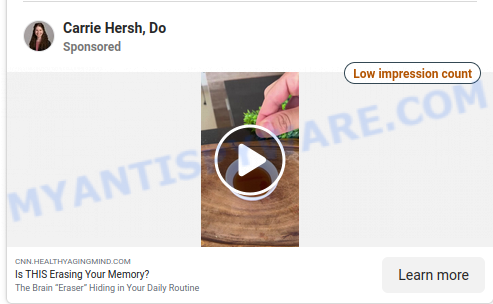
- 🌐 Misleading Social Media Ads: Facebook posts advertise a sensational “brain eraser” hidden in daily routines, with a play button video promising a secret Himalayan honey hack unavailable elsewhere. These ads reference fake news-like domains (e.g., cnn-healthyagingmind.com) and urge users to click to watch a hidden video, but the content only leads to sales pitches.
- 🎥 False Video Content: Instead of revealing the promised Himalayan honey trick, the follow-up video area is a carefully designed sales pitch funneling visitors to purchase Memocept capsules immediately.
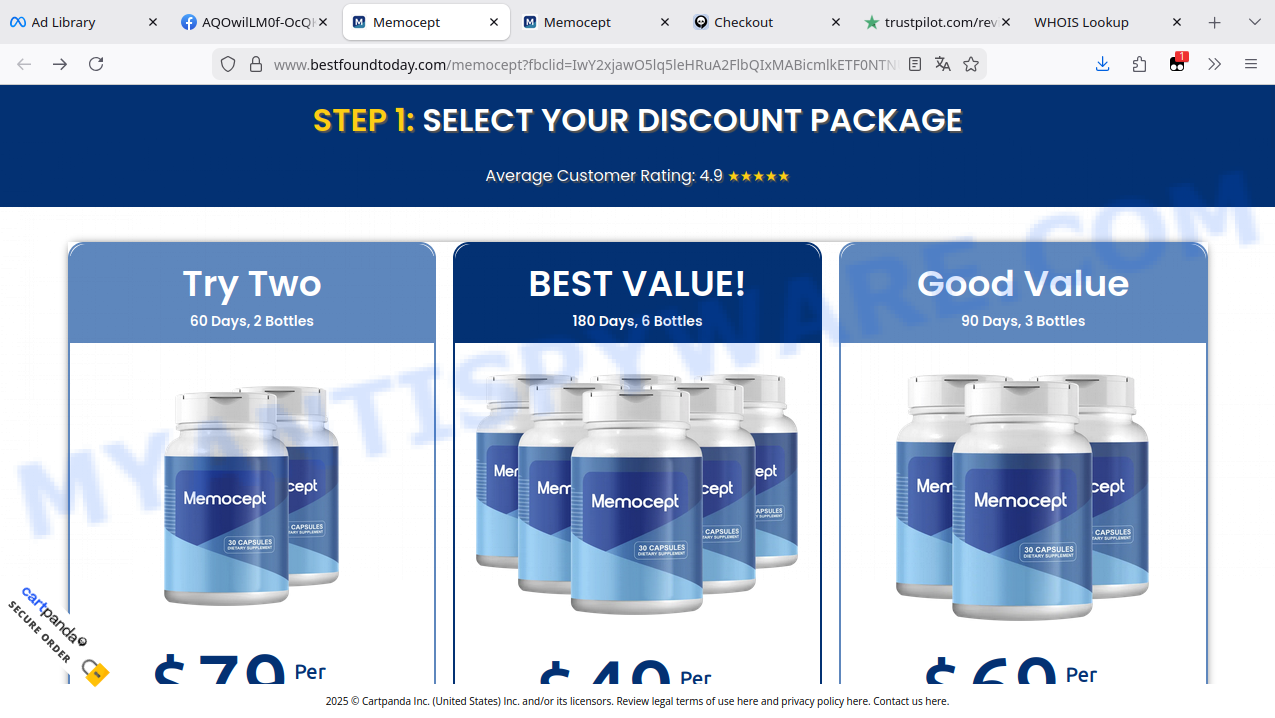
- 🛒 Pushy Landing Pages: The landing page, hosted on suspicious domains like bestfoundtoday.com, functions as a product sales funnel rather than a credible news source. It prominently promotes Memocept with inflated customer ratings, detailed FAQs, and a 60-day satisfaction guarantee, but lacks real author credentials or verifiable medical endorsements.
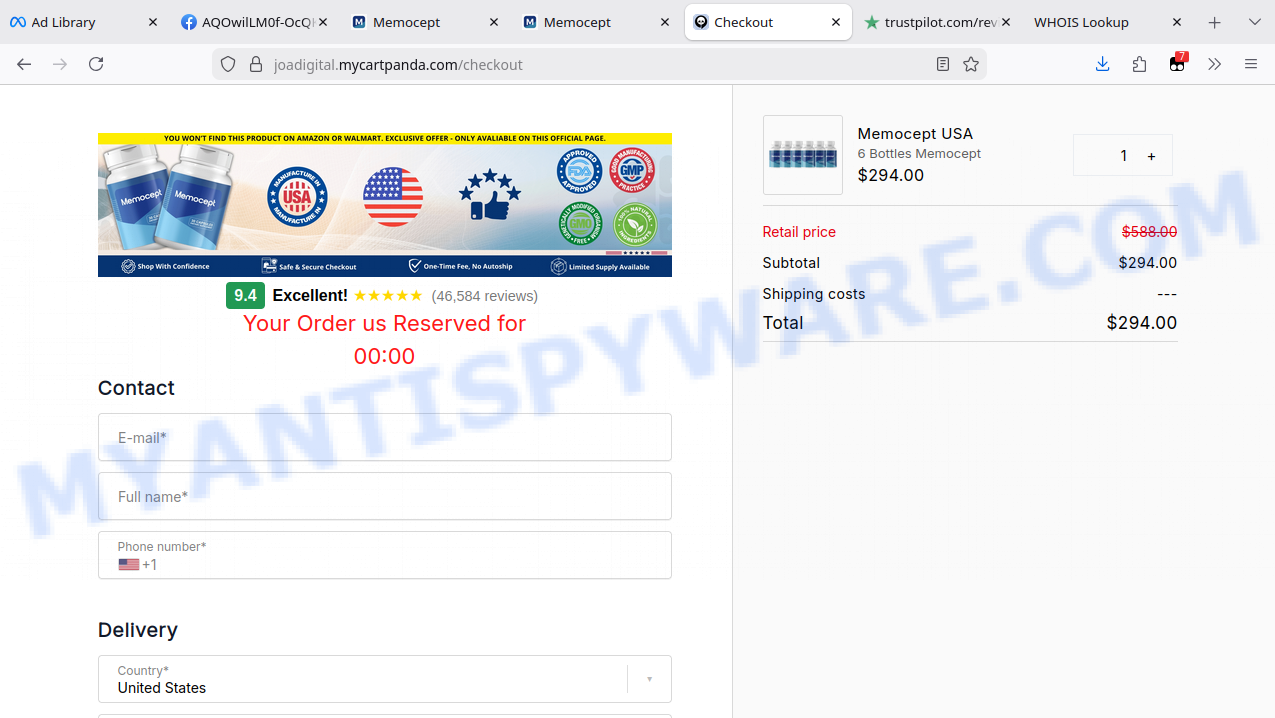
- 🔒 Fabricated Credibility Badges: The site displays unverified claims such as “FDA Approved”, “GMP Certified”, and “Manufactured in USA”, plus high review counts and trust signals that cannot be substantiated. Verification attempts reveal a 404 error on the Trustpilot link and a privacy-protected, newly registered domain (memocept.com), undermining trustworthiness.
- 💸 Expensive Product Packages With Urgency Tactics: Memocept is sold in multi-bottle packages ranging from $49 to $79 per bottle, with “limited time” discounts and countdown timers pressuring impulsive purchases. The checkout process, handled by an opaque payment processor named Cartpanda, pushes express shipping upsells and requires extensive personal and payment information under the guise of secure processing.
- ⚠️ Risk of Fraud and Poor Refund Experience: Sharing sensitive data with a newly formed entity lacking transparent customer service increases the chance of billing issues, delayed or denied refunds, and potential misuse of personal information. The advertised “60-day money-back guarantee” is not independently verifiable.
- ❌ False Endorsements and Associations: The ad’s use of CNN-like URLs and logos from reputed organizations are intentionally misleading and uncorroborated by legitimate sources. No evidence supports that reputable doctors, scientific experts, or major news outlets endorse Memocept or the alleged “Himalayan honey” memory hack.
In summary, Memocept appears to be part of a deceptive sales scheme built around an unproven “Himalayan honey” memory trick bait-and-switch. The marketing tactics involve fabricated credibility, unverifiable claims, pressure-filled sales funnels, and hidden purchase operations increasing consumer risk. It is advisable to avoid Memocept and seek memory support only through trusted healthcare providers and scientifically validated treatments.
🕵️♂️ How the “Himalayan Honey” Memory Trick Scam Operates
🚨 This scheme tricks consumers into buying unproven memory-boosting capsules by falsely advertising a miraculous “Himalayan honey” brain hack that doesn’t exist. 🔗 Step-by-Step Breakdown of the Scam:
📱 Social Media Bait-and-Switch
It starts with sponsored ads on Facebook, YouTube, and other platforms, showing sensational claims like “Is THIS Erasing Your Memory? The Brain ‘Eraser’ Hiding in Your Daily Routine”. These ads promise a secret “Himalayan honey” trick to restore brain function, luring users to click through in hopes of discovering a natural cure.
🛒 Hard-Sell Landing Pages
The ads lead to slick sales pages on sites such as bestfoundtoday.com and memocept.com. Instead of revealing any real brain hack or scientific advice, these pages push visitors directly into purchasing Memocept capsules. The pages feature fake customer ratings, glowing testimonials, and lengthy FAQs—all designed to mimic credibility.
🎥 False Promise of Hidden Video
While the ads promise a revealing video about the Himalayan honey secret, the landing page offers only a promotional product video that steers users to buy Memocept supplements, not any legitimate health information.
🔰 Bogus Trust Badges and Fake Reviews
The website displays misleading badges claiming “Manufactured in USA”, “FDA Approved”, “GMP Certified”, and shows inflated review counts with perfect star ratings. Links to Trustpilot and other review platforms either lead nowhere or show no legitimate reviews, exposing the false sense of trust.
💰 Inflated Prices with Fake Discounts
Memocept is sold in multi-bottle packages priced from $49 to $79 per bottle, often accompanied by fake “original” prices doubled or tripled to create urgency and push bulk purchases. The checkout includes pressured language like countdown timers and claims of limited stock.
🛡️ Misleading Guarantees and Risky Checkout
Despite promising a “60-Day Money-Back Guarantee”, refund policies are vague and poorly enforced. Purchases are processed via third-party payment processors like Cartpanda, with charges appearing under unfamiliar business names on credit card statements, increasing the risk of untraceable transactions.
In summary, the scam dupes consumers by exploiting fears about memory loss and aging. It uses fake “Himalayan honey” claims, fabricated reviews, misleading trust badges, and pressured sales tactics to sell the Memocept supplement. This scam highlights the need for skepticism and thorough research before purchasing health products online.
😱 What to Do If Scammed
If you find yourself ensnared by the “Himalayan Honey” scam, immediate action is crucial. Here’s what you should consider doing:
🛑 Stop Further Transactions
The first step is to halt any additional transactions that might be in process. Contact your bank or credit card provider and inform them that you’ve fallen victim to a scam. They can help by blocking the card or reversing any unauthorized transactions.
📞 Report the Fraud
File a report with your local police and provide all the available evidence, such as screenshots, emails, and website URLs. Additionally, report the scam to online portals like the Better Business Bureau (BBB) at www.bbb.org or the Federal Trade Commission (FTC) at reportfraud.ftc.gov. If you’re in another country, reach out to your national consumer protection agency.
💻 Take Screenshots
Before the scam website gets taken down or changes, make sure to capture screenshots of your transactions and communications. These can serve as evidence if you decide to pursue legal action.
⚖️ Consult Legal Advice
Speak to a legal advisor about your situation. While pursuing legal action may be time-consuming and costly, it could be a possible avenue for recovering your lost money.
📢 Share Your Experience
Use social media platforms to share your experience and warn others about the scam. Your story could prevent someone else from falling victim to the same or similar scams.
Summary Table
| Factor | Observations | Impact on Legitimacy |
|---|---|---|
| Product Description | Memocept is sold as a natural supplement to support memory and brain health, tied to a so-called “Himalayan honey” trick that supposedly reverses memory loss. However, this trick is never actually shown or explained. The product claims are not backed by real medical evidence or expert endorsements. | Negative (Misleading product claims and lack of proof) |
| Advertising Method | Social media ads use dramatic language and a secret “brain eraser” story to attract attention. The ads lead to sales pages instead of genuine information, pushing visitors quickly towards buying the product. | Negative (Deceptive advertising and hard-sell tactics) |
| Website and Sales Funnel | The landing pages focus on selling Memocept, showing fake customer reviews, urgency messages, and several trust badges that cannot be verified. The site hides key details like author names and publication dates to appear more credible. | Negative (Lack of transparency and fake social proof) |
| Credibility Claims | The site shows badges like “FDA Approved”, “GMP Certified”, and “Made in USA”, but these claims aren’t supported by any real documents. Attempts to verify reviews on Trustpilot lead to error pages, indicating the reviews are likely fake. | Negative (False claims of certification and reviews) |
| Pricing and Offers | Memocept is sold mainly in multi-bottle packages with prices ranging from $49 to $79 per bottle. The site uses countdown timers and messages like “21 people checking out now” to pressure quick buying decisions. | Negative (Pressure sales and expensive pricing) |
| Payment and Privacy | Payments are processed through a third party called Cartpanda, which appears on bank statements instead of Memocept. The website owner details are hidden using privacy protection services, making it hard to know who is behind the product. | Negative (Hidden seller information and unclear payment processing) |
| Safety and Ingredients | Memocept is described as natural and safe, but no detailed ingredient list or safety information is provided. There is no clinical evidence proving it helps memory or brain health. | Negative (Insufficient safety and ingredient information) |
| False Associations | The ad and website use fake news logos and suggest medical expert support that does not exist. The supposed “Himalayan honey” memory trick is never actually shown, and no real endorsements are given. | Negative (Deceptive use of fake endorsements and brand logos) |
Conclusion
The Memocept dietary supplement is a product promoted through misleading marketing tactics, including fake “Himalayan honey” memory trick claims and fabricated endorsements. The social media advertisements promise a secret, natural hack to reverse memory decline, yet these claims lead only to aggressive sales funnels rather than verified medical advice or proven remedies.
The sales pages use false credibility indicators such as fake “FDA Approved”, “Made in USA”, and “GMP Certified” badges, along with inflated customer ratings and phantom reviews that cannot be confirmed on independent sites. The domain is newly registered and uses privacy protection to hide ownership details, raising further concerns about legitimacy.
Bottom Line: Avoid Memocept supplements. The product’s marketing relies heavily on deception, including fake testimonials, bogus guarantees, and fake urgency tactics designed to rush purchases. If you encounter health offers that use unverified hacks or dubious “natural” secrets paired with unverifiable endorsements, approach with caution and never submit personal or payment information without thorough research.