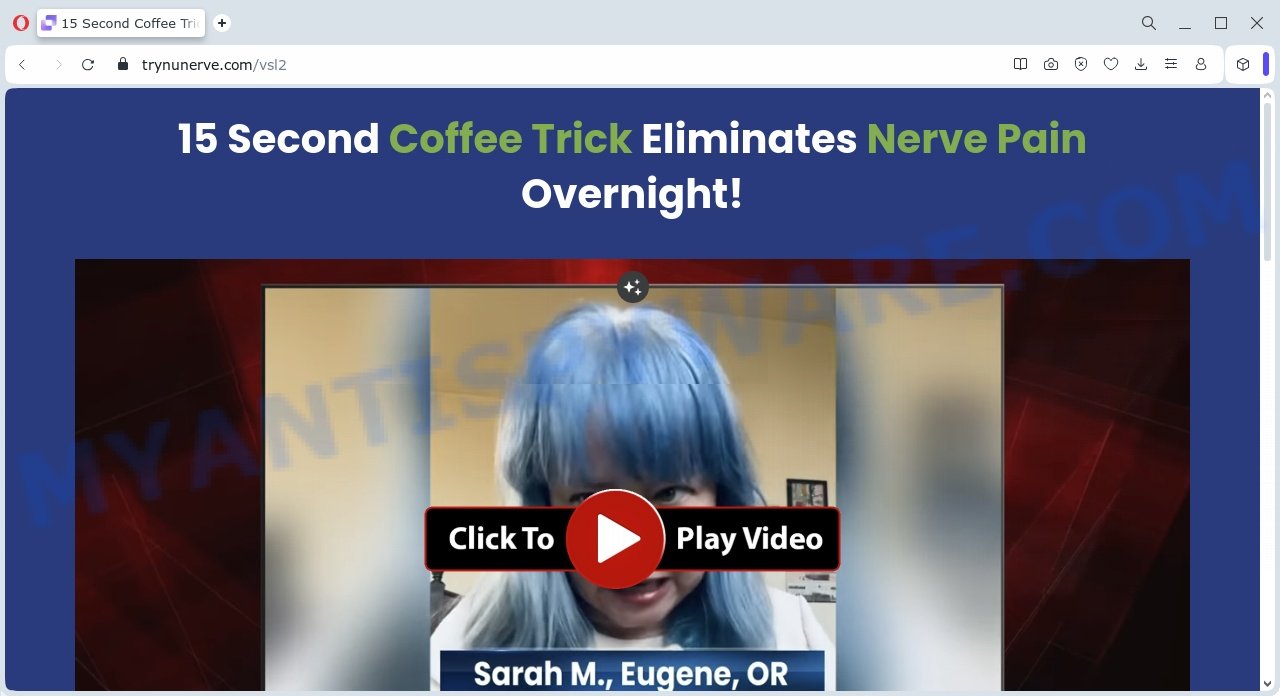
If you’ve been struggling with nerve pain, tingling, or numbness, you may have stumbled upon Nu Nerve—an aggressively promoted supplement touted as a revolutionary, natural solution that “eliminates nerve pain overnight” using a mysterious “15 Second Coffee Trick”. It’s marketed with flashy discounts, promises of cutting-edge nano-technology, and endorsements from fake news outlets, all designed to make you reach for your wallet fast. But what’s really behind these bold claims?
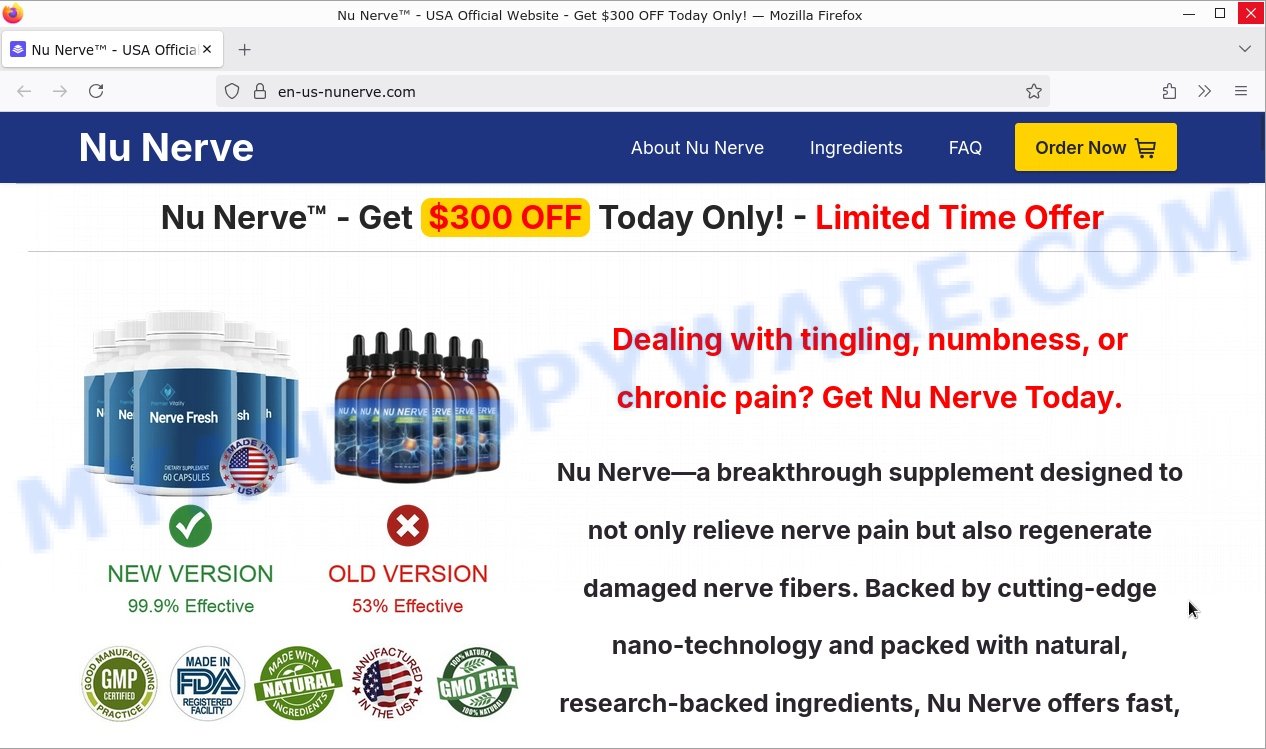
Here’s the deal: Nu Nerve markets itself as a scientifically-backed formula packed with natural ingredients like Whole Coffee Fruit Extract, Palmitoylethanolamide (PEA), and various B vitamins, all supposedly proven by prestigious universities to regenerate damaged nerve fibers and relieve pain. Sounds promising, right? However, a deeper look reveals a website and marketing approach riddled with classic scam signals—including fake testimonials, unverifiable “expert” endorsements, and deceptive use of FDA and GMP badges that don’t actually validate the product’s efficacy or safety.
Simply put, Nu Nerve claims it can not only dull nerve pain but help your nerves heal through “advanced nano-technology” — a buzzword often used to gloss over the lack of real clinical proof. While some ingredients like B vitamins and curcumin are known to support nerve health generally, there’s no credible evidence that this supplement or its “coffee trick” delivers the miraculous overnight results promised. In fact, the website relies heavily on hype, urgency, and confusing scientific jargon to lure in buyers before they can investigate properly.
If you’re curious to separate fact from fiction and learn why savvy consumers should approach Nu Nerve with caution rather than enthusiasm, keep reading. This review exposes the tricks behind the marketing smoke and mirrors—and explains why a healthy dose of skepticism before buying is your best bet.
💡 Heads-up: Similar Scams Are Everywhere. Nu Nerve is not unique. It is one of many fake supplements, gadgets, and other schemes we expose in our Fact Checks section. All of them aim to grab your personal data or money. The people behind these scams run slick websites, spread bogus promo codes, and even pose as trusted brands or experts. Below are a few recent scams that follow the same playbook as Nu Nerve: Prozenith, Automatic Cash Machine, Natural Glyco, Flash Burn Liquid Drops.
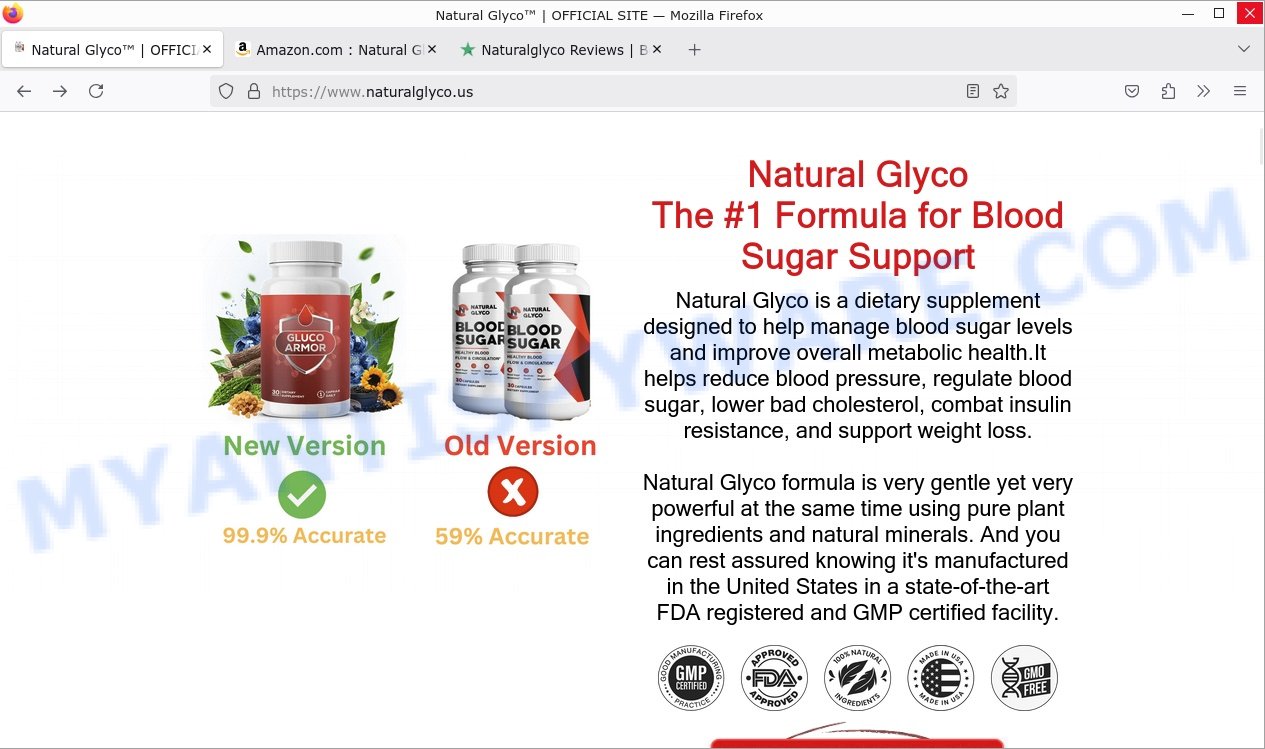
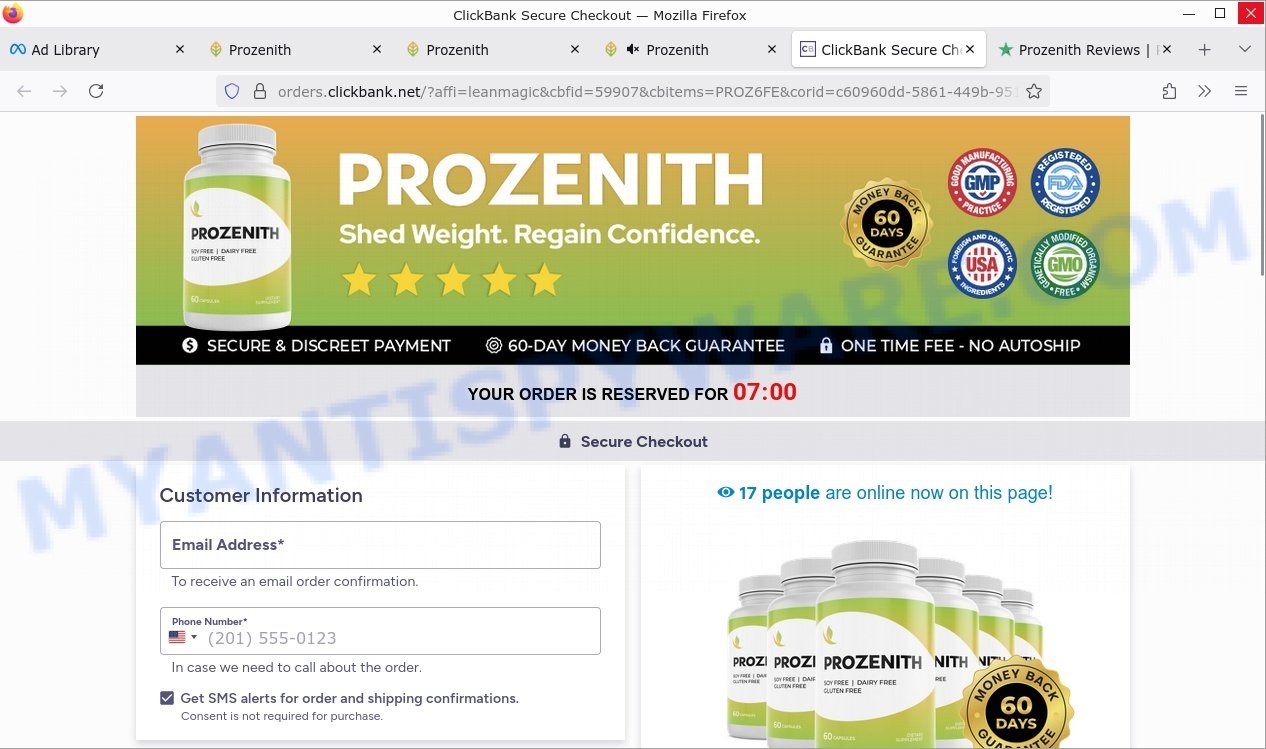
Table of Contents
🚨 Is Nu Nerve a Scam?
Nu Nerve is aggressively promoted as a revolutionary supplement that claims to eliminate nerve pain overnight using a “15 Second Coffee Trick”. However, several red flags suggest that it may be part of a deceptive marketing scheme designed to prey on individuals desperate for fast relief from nerve pain without solid scientific proof.
Key Red Flags:
- 🌐 Suspicious Website and Domain: The site trynunerve.com uses a generic, unfamiliar URL with an overhyped, lengthy video presentation typical of scam health product sites.
- ⚠️ Unrealistic Health Claims: Promises such as “eliminates nerve pain overnight” and “regenerates damaged nerve fibers” using “cutting-edge nano-technology” are not supported by peer-reviewed clinical studies and sound exaggerated.
- 🔎 Fake Endorsements and Testimonials: The presence of fictitious personas like “Todd Greenwell”, a supposed ex-gym executive, fake newscasters, and inaccurate references to high-profile media outlets like CBS, Fox News, and USA Today, which never featured the product, raise serious credibility issues.
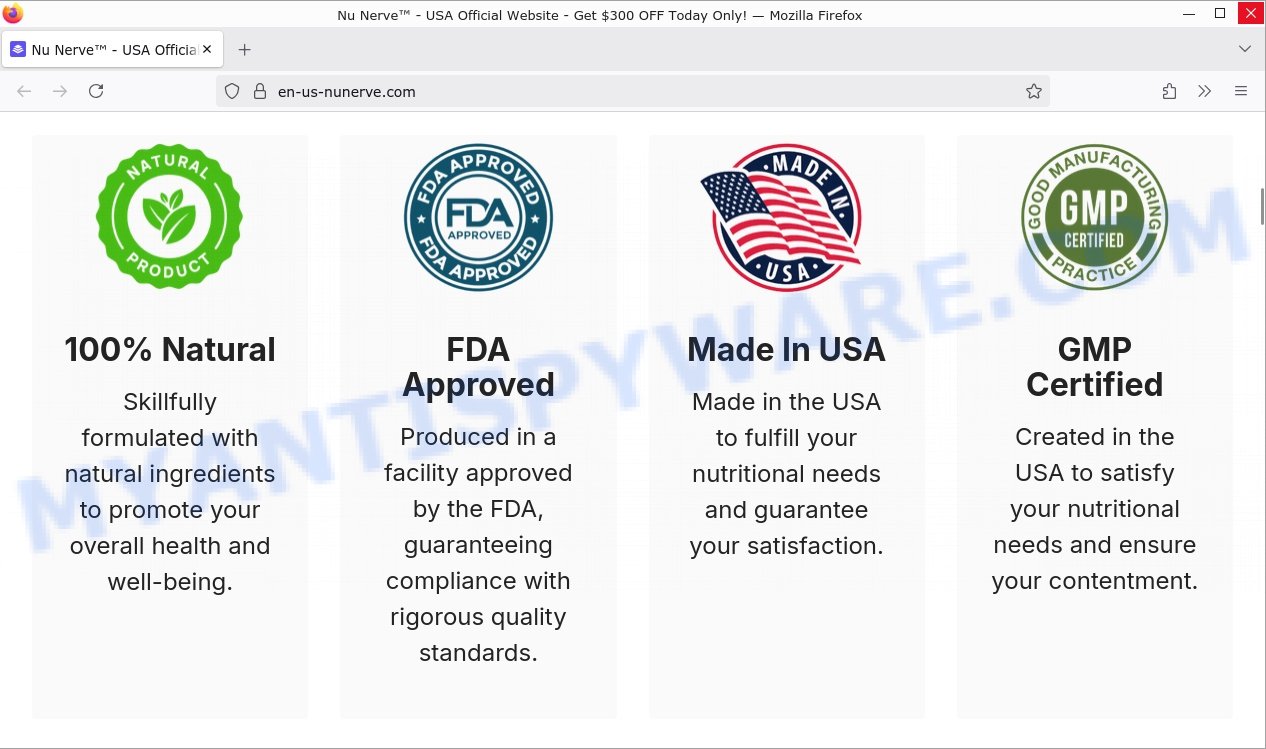
- 📉 Misleading Certifications: Claims of “FDA Approved”, “GMP Certified”, and affiliations with prestigious institutions like Cambridge University and Emory University, without verifiable proof, are common tactics to create false trust.
- 💼 Dubious Marketing Tactics: The use of countdown timers, steep “limited time” discounts like “$300 OFF”, and pressure to buy multi-bottle packages rush consumers into impulsive purchases without allowing time for thorough research.
- 📝 Questionable Scientific Backing: While the site lists many scientific references, the connection between these studies and the product’s efficacy is vague. The references often relate to ingredients individually and do not verify the product claims or formula effectiveness when combined.
- 🔒 Vague Refund Policy and Customer Support: The 180-day money-back guarantee sounds reassuring but often involves restrictive terms and difficult refund processes typical of scam operations.
In summary, Nu Nerve exhibits numerous characteristics common to health supplement scams. From unverifiable health claims and fake testimonials to misleading certifications and aggressive sales tactics, the product lacks transparent evidence of safety and effectiveness. Consumers should be cautious and prioritize consulting licensed healthcare professionals for legitimate treatment options for nerve pain rather than relying on products promising quick fixes with doubtful credibility.
🕵️♂️ How the Nu Nerve 15-Second Coffee Trick Scam Operates
The scammers behind Nu Nerve ’15-Second Coffee Trick’ begin their scheme by aggressively targeting social media users with flashy, misleading ads promising rapid relief from nerve pain using a mysterious “15-second coffee trick”. These ads often scream headlines like “Eliminate nerve pain overnight!” and feature striking claims about “cutting-edge nano-technology” and endorsements from prestigious institutions such as Cambridge University or Emory School of Medicine—none of which can be verified.
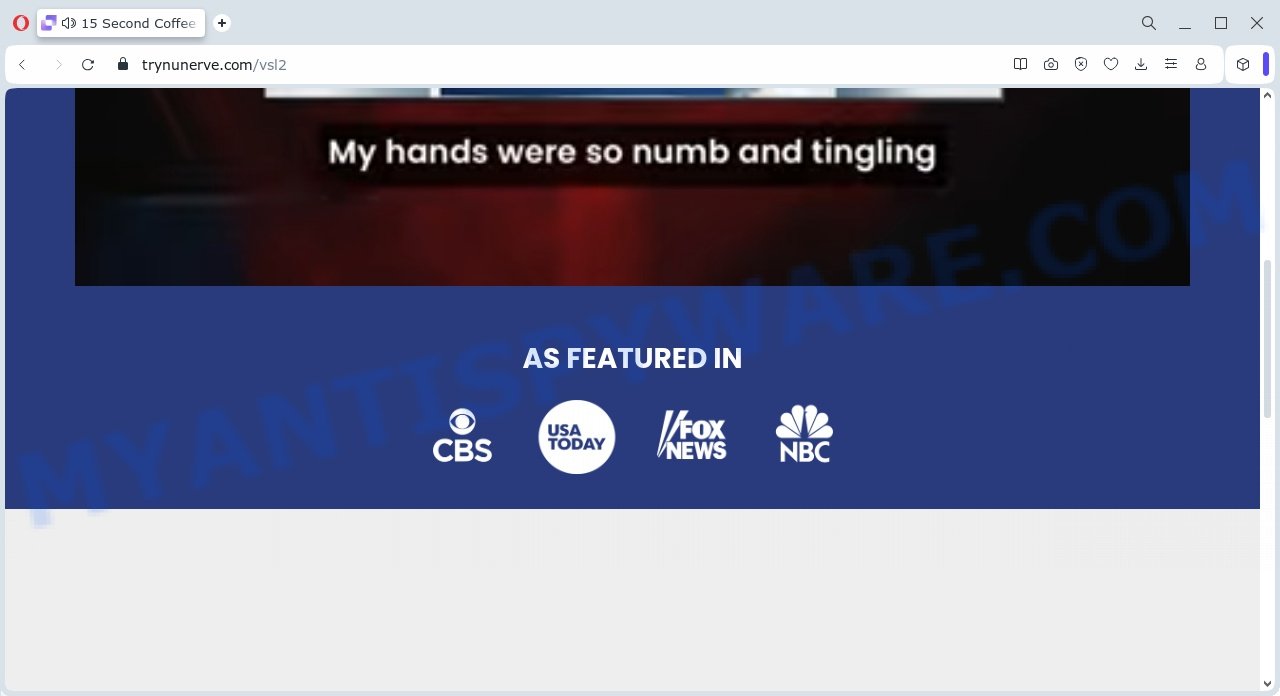
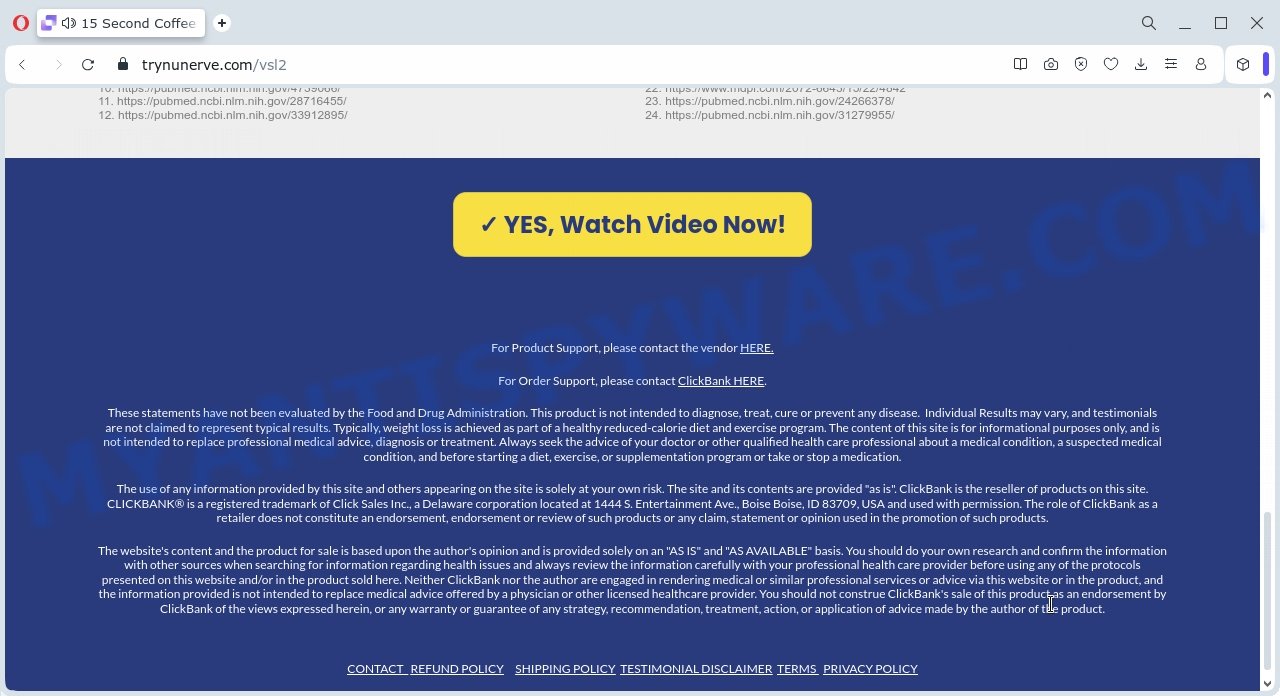
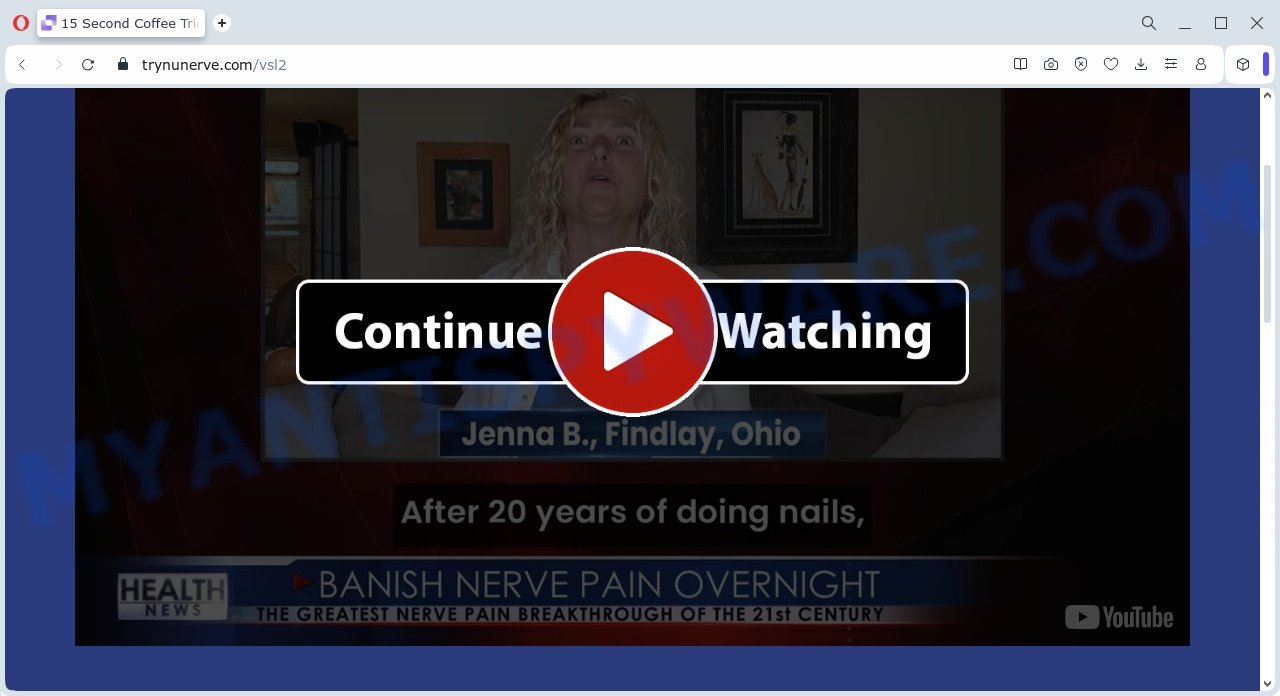
Clicking these ads leads users to the suspicious website trynunerve.com, where a lengthy, deceptive promotional video plays. Instead of straightforward product information, the site is packed with vague references to “research-backed ingredients” and “scientific studies”, yet provides no direct links to legitimate clinical trials, making it impossible for users to verify any claims with a simple search.
The site mimics the look of credible health sources by showing fake logos from major news outlets like CBS, Fox News, and USA Today—none of which have ever featured Nu Nerve. The product’s supposed creator, “Todd Greenwell”, is presented as a former gym executive with unverifiable credentials, adding to the illusion of trustworthiness.
An abundance of counterfeit reviews and glowing testimonials floods the website, all overwhelmingly positive and suspiciously similar in tone. Independent consumer review platforms show little to no real feedback on Nu Nerve and often reveal critical reports of consumer frustration. Adding to the distrust is the peculiar claim about a “30-second beer coffee trick”, which even the scammers fail to articulate clearly.
The site further tries to pressure buyers by flaunting huge discounts and a “180-day money-back guarantee”. However, as is typical in scams of this nature, the refund process is convoluted, slow, or entirely ineffective. Consumers who do make a purchase often report unexpected recurring charges and poor customer support, leaving them financially harmed and without relief.
Nu Nerve’s official product pages tout FDA approval and GMP certification; however, dietary supplements like Nu Nerve are not FDA-approved, and “FDA Registered Facility” does not equate to any endorsement or quality guarantee. This intentional misuse of regulatory terms is designed to mislead unsuspecting customers.
In summary, the Nu Nerve scam operates through enticing social media ads, deceptive website design, fabricated endorsements, and misleading urgency tactics. It preys on individuals suffering from nerve pain by offering false hope without any legitimate scientific proof or verifiable credentials, ultimately leaving consumers disappointed, out-of-pocket, and still in pain.
😱 What to Do If Scammed
If you find yourself ensnared by the Nu Nerve Scam, immediate action is crucial. Here’s what you should consider doing:
🛑 Stop Further Transactions
The first step is to halt any additional transactions that might be in process. Contact your bank or credit card provider and inform them that you’ve fallen victim to a scam. They can help by blocking the card or reversing any unauthorized transactions.
📞 Report the Fraud
File a report with your local police and provide all the available evidence, such as screenshots, emails, and website URLs. Additionally, report the scam to online portals like the Better Business Bureau (BBB) at www.bbb.org or the Federal Trade Commission (FTC) at reportfraud.ftc.gov. If you’re in another country, reach out to your national consumer protection agency.
💻 Take Screenshots
Before the scam website gets taken down or changes, make sure to capture screenshots of your transactions and communications. These can serve as evidence if you decide to pursue legal action.
⚖️ Consult Legal Advice
Speak to a legal advisor about your situation. While pursuing legal action may be time-consuming and costly, it could be a possible avenue for recovering your lost money.
📢 Share Your Experience
Use social media platforms to share your experience and warn others about the scam. Your story could prevent someone else from falling victim to the same or similar scams.
Summary Table
| Factor | Observations | Impact on Legitimacy |
|---|---|---|
| Product Description | Nu Nerve claims to be a breakthrough supplement that relieves nerve pain and regenerates nerve fibers using “cutting-edge nano-technology” and natural ingredients. However, these claims lack clear clinical evidence and rely heavily on marketing language without solid proof from reputable medical sources. | Negative (Unverified claims and marketing exaggerations) |
| Website and Marketing Style | The official product pages use urgent sales tactics such as large discounts, limited-time offers, and countdown timers. They also use bright colors and emotional language to push quick purchases. The domain “trynunerve.com” and similar sites look generic and lack professional branding. | Negative (High-pressure marketing and suspicious domain use) |
| Certifications and Approvals | The product mentions FDA approval, GMP certification, and other quality badges. However, dietary supplements are not FDA approved, and the “FDA registered facility” is misleading. These claims are common tactics to build false trust with buyers. | Negative (Misleading or unverifiable certification claims) |
| Scientific References | The website lists numerous scientific articles and university names like Cambridge and Emory, suggesting research backing. Yet, it provides no direct clinical trials or official endorsements relating specifically to Nu Nerve, making these references appear unrelated or misleading. | Negative (Unsubstantiated scientific support and vague references) |
| Testimonials and Reviews | Customer testimonials on the site show positive results, but these are unverifiable and could be fabricated. Independent reviews on reputable platforms like Trustpilot or Amazon are missing or negative. | Negative (Potentially fake testimonials, lack of independent reviews) |
| Creator and Company Information | The product is said to be created by “Todd Greenwell”, a fictional character with no verifiable background. Additionally, contact information is vague, and the company’s transparency is low, making it difficult to verify the source of the product. | Negative (Lack of transparency and fictitious personas) |
| Refund Policy | A 180-day money-back guarantee is claimed but similar products often have complicated refund processes that make getting your money back hard or time-consuming. | Negative (Questionable refund reliability) |
| Safety and Usage Information | While the ingredient list includes standard vitamins and natural extracts, the information does not cover possible side effects or interactions. The emphasis is on benefits without proper warnings or medical advice. | Negative (Incomplete safety information) |
| Overall Impression | The Nu Nerve product and website display many signs commonly found in scam or low-quality health supplements, such as exaggerated claims, vague references, suspicious marketing methods, and questionable company details. | Negative (Likely scam or deceptive supplement) |
Conclusion
The Nu Nerve 15 Second Coffee Trick is a scam that uses deceptive marketing tactics to lure vulnerable consumers suffering from nerve pain. Despite claims of “cutting-edge nano-technology”, “research-backed ingredients”, and endorsements from prestigious universities, the product lacks credible scientific validation and legitimate regulatory approval.
The website uses fake testimonials, including impossible claims like “15-second coffee trick eliminates nerve pain overnight”, and features a fabricated creator, purported news segments with fake anchors, and logos from news outlets that never featured this product. These misleading elements create a false sense of credibility designed to rush consumers into a purchase with promises of rapid nerve regeneration and pain relief.
Additionally, the product’s “money-back guarantee” is doubtful and difficult to enforce. The multiple certifications such as “FDA Approved”, “GMP Certified”, and “Made in the USA” are either misunderstood or misrepresented, as dietary supplements do not receive FDA approval and such badges are often meaningless or fabricated in scams.
Bottom Line: Avoid Nu Nerve and the 15 Second Coffee Trick. Always approach health supplements with skepticism, especially when urgent calls to action, impossible claims, fake reviews, and misleading “scientific” endorsements are used. Consult a qualified healthcare professional for legitimate treatments and conduct thorough research before trusting such offers. Remember, if something sounds too good to be true and relies heavily on hype rather than evidence, it’s likely a scam.