Beware of the latest Microsoft Anti-Exploit Guard security update scam flooding inboxes right now. These emails claim you must install a critical security patch—“Security Update KB5021234”—to protect your device from new threats. But don’t be fooled. This so-called update is actually malware disguised as a Microsoft update, designed to trick you into downloading a malicious file named “Microsoft_Anti-Xploit_Update.exe.”
At its core, this scam exploits fear by pushing urgent language and fake countdowns to rush users into clicking without thinking. Real Microsoft updates never come as unsolicited emails with executable attachments. They are delivered through trusted systems like Windows Update, not shady download links in emails. Falling for this trap could hand over control of your device to cybercriminals.
If you care about your digital safety, pause before clicking anything related to this “Anti-Exploit Guard” email. Verify updates only through official channels and never download .exe files from emails. Stay sharp—this scam’s goal is to lure you with fake security but deliver exactly the opposite. Keep reading to learn how to spot these phishing attempts before they compromise your data.
A typical “Microsoft Anti-Xploit Guard Released A Security Update” scam email reads as follows:
Subject: Microsoft security update
Important security update required
Update your security software to protect your device
Microsoft Anti-Xploit Guard has released a critical security update. Install this update to keep your device protected from the latest threats.
Update: Anti-Xploit Guard Security Update KB5021234
Size: 67.5 MB
Time required: About 5 minutes
This update includes important security improvements to protect against new exploits and vulnerabilities.
Update nowManual download option:
Download update file manuallyFile: Microsoft_Anti-Xploit_Update.exe (Security Patch KB5021234)
Microsoft Corporation
This update will install automatically in 3 days if not installed manually.
🕵️♂️ How the Microsoft Anti-Xploit Guard Security Update Email Scam Operates
Microsoft Anti-Xploit Guard Security Update Email Scam is a fraudulent phishing attempt. 🚨 It’s a type of cyber scam where attackers send fake emails pretending to be from Microsoft to trick users into downloading malicious software disguised as important security updates. 🔗 Step-by-Step Breakdown of the Scam:
📧 Sending Fake Security Update Emails
Scammers send deceptive emails with subject lines like “Microsoft security update” or “Important security update required” to make the message seem urgent and official. The emails claim users must install a critical security update called “Anti-Xploit Guard Security Update KB5021234” to protect their devices.
🖥️ Mimicking Official Microsoft Communications
The emails use Microsoft branding, professional formatting, and technical jargon about security improvements to appear legitimate. They include details such as update size (e.g., 67.5 MB) and estimated installation time (e.g., “about 5 minutes”) to add credibility.
🔗 Providing Malicious Download Links
Within the email, recipients are given direct links to download a file named something like “Microsoft_Anti-Xploit_Update.exe.” This file is not a real update but malware designed to compromise the user’s device once installed.
⏳ Creating Urgency with Automatic Installation Threats
The email often warns that if the update isn’t installed manually within a certain timeframe (e.g., 3 days), it will be installed automatically. This tactic pressures users into acting quickly without verifying the email’s authenticity.
🛡️ Exploiting Trust and Fear
By posing as a well-known company and emphasizing protection from “latest threats” and “new exploits and vulnerabilities,” scammers manipulate users’ fears about cybersecurity to lower their guard.
💥 Consequences of Installing the Fake Update
If a victim downloads and runs the provided file, their device can become infected with malware, which can lead to data theft, ransomware attacks, unauthorized access, or further phishing attempts.
In summary, the Microsoft Anti-Xploit Guard Security Update Email Scam deceives users by impersonating official Microsoft communications and offering fake software updates. Scammers use professional-looking emails, urgent messaging, and malware-laden downloads to trick victims into compromising their devices. Users should never download files or click links from unsolicited emails and always verify updates through official Microsoft channels.
📧 What to Do When You Receive the “Microsoft Anti-Xploit Guard Released A Security Update” Scam Email
We advise everyone who receives this email to follow the simple steps below to protect yourself from potential scams:
- ❌ Do not believe this email.
- 🔒 NEVER share your personal information and login credentials.
- 📎 Do not open unverified email attachments.
- 🚫 If there’s a link in the scam email, do not click it.
- 🔍 Do not enter your login credentials before examining the URL.
- 📣 Report the scam email to the FTC at www.ftc.gov.
If you accidentally click a phishing link or button in the “Microsoft Anti-Xploit Guard Released A Security Update” Email, suspect that your computer is infected with malware, or simply want to scan your computer for threats, use one of the free malware removal tools. Additionally, consider taking the following steps:
- 🔑 Change your passwords: Update passwords for your email, banking, and other important accounts.
- 🛡️ Enable two-factor authentication (2FA): Add an extra layer of security to your accounts.
- 📞 Contact your financial institutions: Inform them of any suspicious activity.
- 🔄 Monitor your accounts: Keep an eye on your bank statements and credit reports for any unusual activity.
🔍 How to Spot a Phishing Email
Phishing emails often share common characteristics; they are designed to trick victims into clicking on a phishing link or opening a malicious attachment. By recognizing these signs, you can detect phishing emails and prevent identity theft:
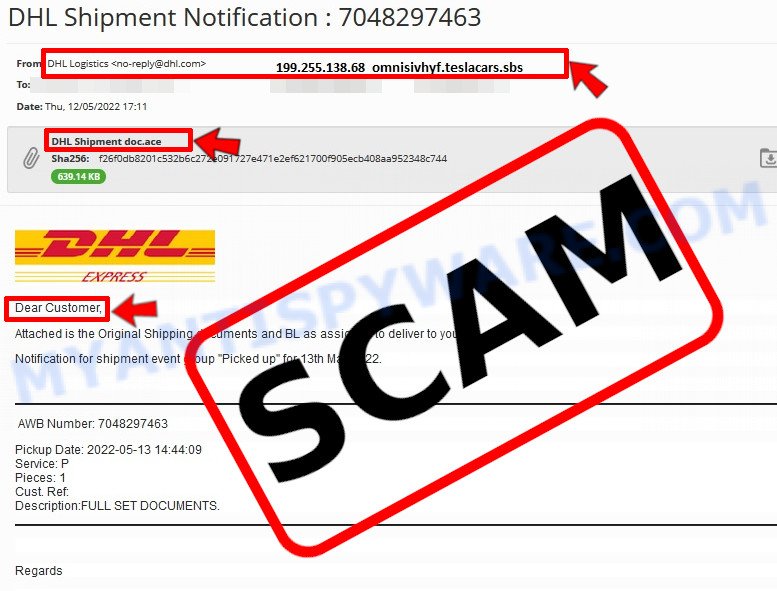
💡 Here Are Some Ways to Recognize a Phishing Email
- ✉️ Inconsistencies in Email Addresses: The most obvious way to spot a scam email is by finding inconsistencies in email addresses and domain names. If the email claims to be from a reputable company, like Amazon or PayPal, but is sent from a public email domain such as “gmail.com”, it’s probably a scam.
- 🔠 Misspelled Domain Names: Look carefully for any subtle misspellings in the domain name, such as “arnazon.com” where the “m” is replaced by “rn,” or “paypa1.com,” where the “l” is replaced by “1.” These are common tricks used by scammers.
- 👋 Generic Greetings: If the email starts with a generic “Dear Customer”, “Dear Sir”, or “Dear Madam”, it may not be from your actual shopping site or bank.
- 🔗 Suspicious Links: If you suspect an email may be a scam, do not click on any links. Instead, hover over the link without clicking to see the actual URL in a small popup. This works for both image links and text links.
- 📎 Unexpected Attachments: Email attachments should always be verified before opening. Scan any attachments for viruses, especially if they have unfamiliar extensions or are commonly associated with malware (e.g., .zip, .exe, .scr).
- ⏰ Sense of Urgency: Creating a false sense of urgency is a common tactic in phishing emails. Be wary of emails that claim you must act immediately by calling, opening an attachment, or clicking a link.
- 📝 Spelling and Grammar Errors: Many phishing emails contain spelling mistakes or grammatical errors. Professional companies usually proofread their communications carefully.
- 🔒 Requests for Sensitive Information: Legitimate organizations typically do not ask for sensitive information (like passwords or Social Security numbers) via email.
Conclusion
The Microsoft Anti-Xploit Guard security update email is a scam. It uses fake urgent warnings and official-sounding update names like “Security Patch KB5021234” to trick recipients into downloading malicious software. The email mimics real Microsoft update notifications but contains deceptive links and attachments such as “Microsoft_Anti-Xploit_Update.exe” that are designed to infect your device with malware.
Instead of a legitimate security update, victims risk compromising their computers, losing personal data, or exposing themselves to identity theft. The scammers rely on fear tactics—claiming critical vulnerabilities need immediate patching—to rush users into clicking without verifying the source.
Bottom Line: Do not trust unsolicited emails claiming urgent Microsoft security updates. Always update your software through official Microsoft channels or your system’s built-in update tools. Avoid downloading files or clicking on links from unexpected emails. Stay vigilant and confirm all update notifications directly from trusted sources to protect yourself from phishing and malware scams.